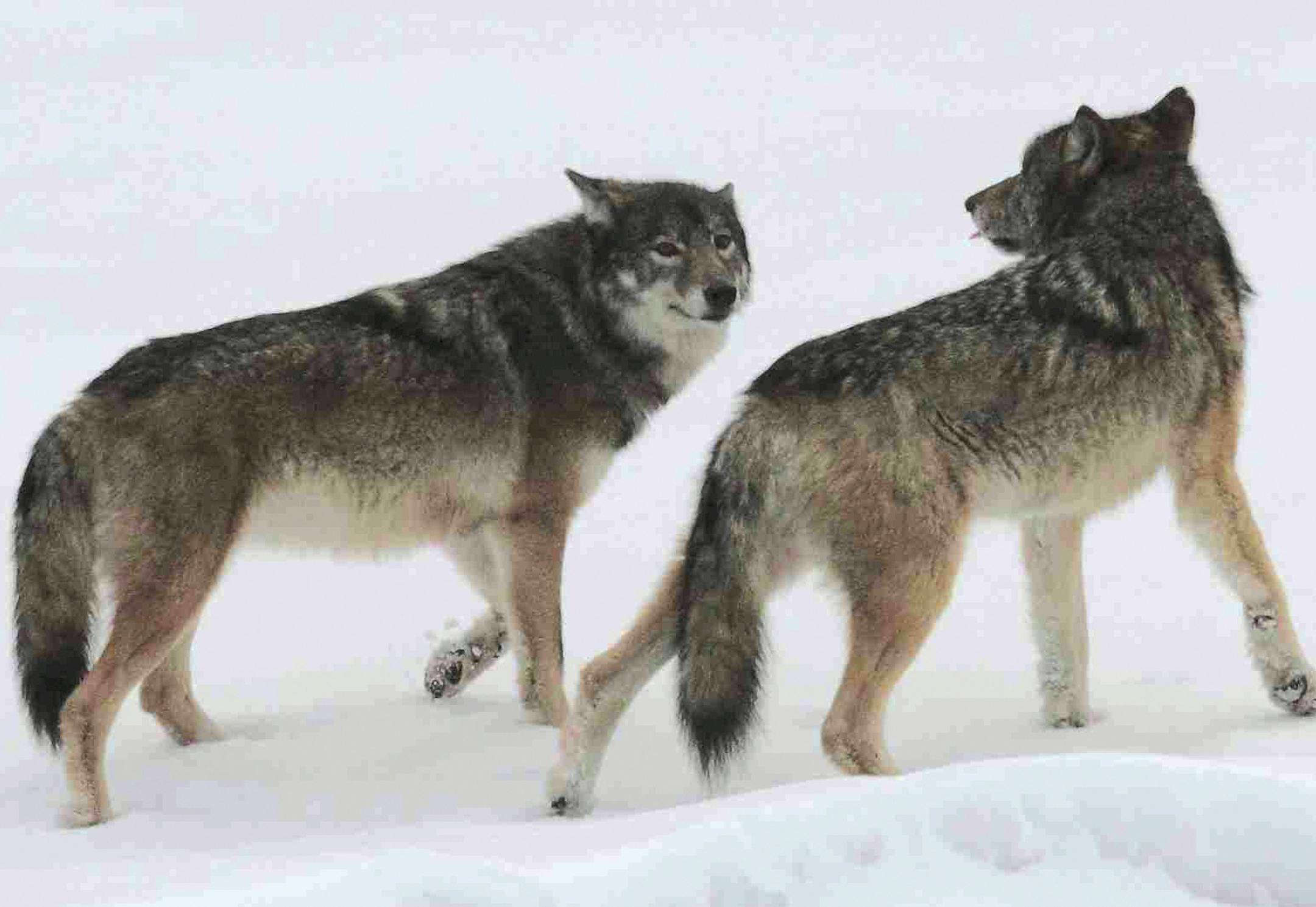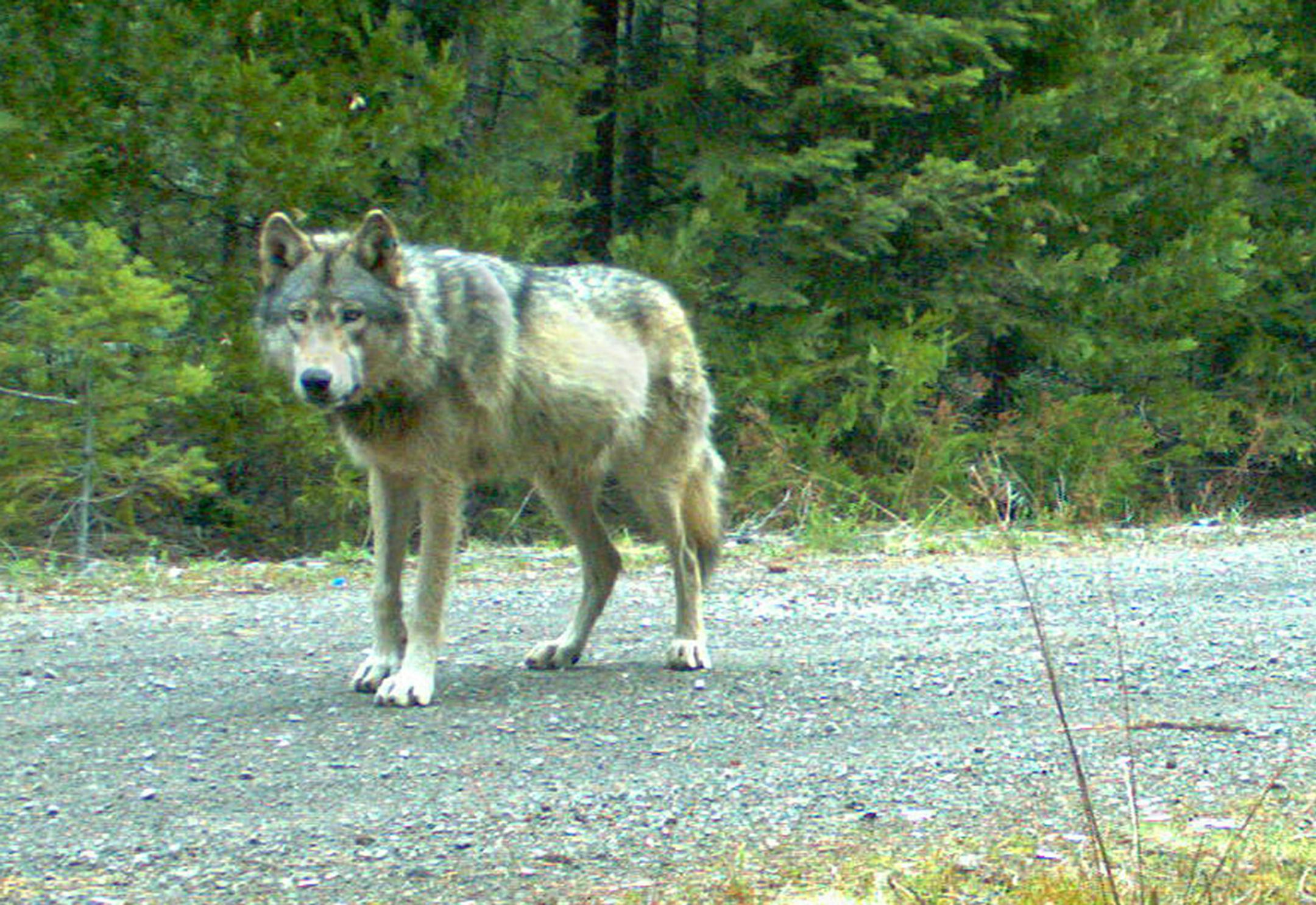
Minnesota is making more licenses available for its third year of wolf hunting than it did last year — but still far fewer than in the inaugural season — and it's increasing the number of wolves that can be taken.
The Department of Natural Resources said Thursday that for the 2014 wolf hunt, the goal for managing the animal's population "is to ensure the long-term survival of wolves in Minnesota while addressing conflicts between wolves and humans."
A total of 3,800 hunting and trapping licenses will be available, 500 more than last year's seasons. The statewide target take of wolves is 250, 30 more than last year.
Wolves have proved to be a difficult target for hunters and trappers, with a success rate of just under 7 percent.
The latest population survey results estimate that 2,423 wolves lived in Minnesota's wolf range this past winter, 212 more than estimated a year earlier.
"Estimates show a stable population with no significant change from the 2013 estimate of 2,211 wolves," said Dan Stark, the DNR's large-carnivore specialist. "We will continue to evaluate the wolf population annually to ensure the wolf population remains well established across northern and central Minnesota."
A hunt full of controversy
The recent approval of wolf hunting in Minnesota came after the species was removed from the federal endangered species list. The killing of wolves has been met with some protest and challenges in court, none of which have succeeded.
Within hours of the DNR's latest wolf hunt announcement, the advocacy group Howling for Wolves founder and President Maureen Hackett released a statement that read in part: "There is no good justification for a recreational wolf hunt in Minnesota. Most Minnesotans don't want a wolf hunt, and the hunt itself on these recently endangered animals creates chaos for their packs, which in turn creates unpredictable effects for wolves, farmers, and livestock."