

It wasn't too long ago when North American fish-stocking programs operated on the premise that a species was a species.
If the muskies Minnesota needed in a given year came from Iowa, so be it. If other muskies needed for stocking were reared in Wisconsin, fine. At times they were both released into lakes stocked since the 1950s with a strain of muskies taken from Voyageurs National Park.
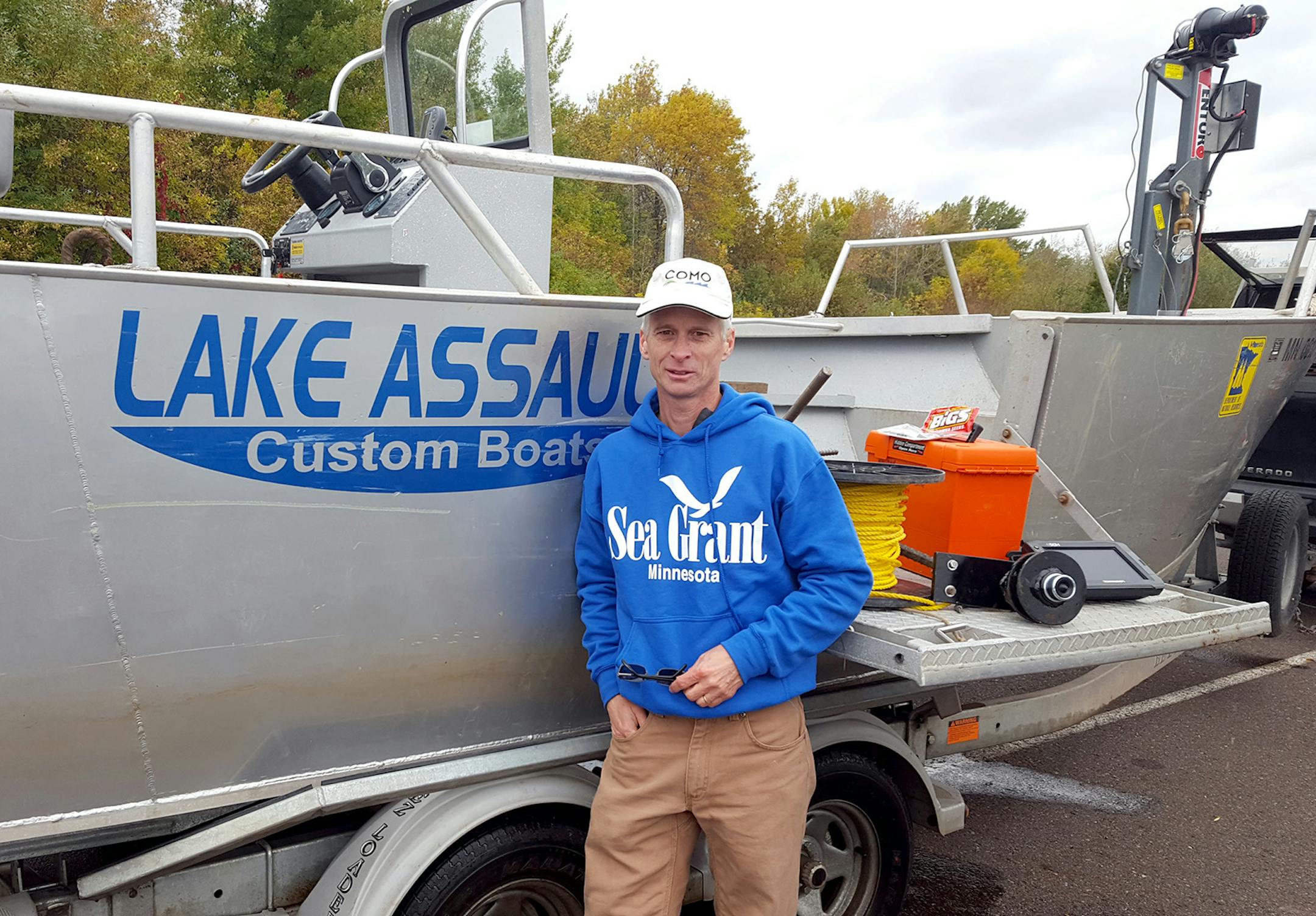
Then along came DNA fingerprinting and fish genetics — a thriving science at the Department of Natural Resources thanks to a molecular biologist who grew up hunting ducks around Eagan, Burnsville and Rosemount in the 1970s.
As the DNR's fish chromosome answer man, Loren Miller is as busy with Minnesota fisheries questions as he's ever been. During 20 years as the state's go-to fish population geneticist, he has stepped in to protect Lake Superior steelhead from unwanted crossbreeding with Kamloops. He's also discovered eight distinct strains of walleyes in the state, and determined that hatchery-supplied coaster brook trout weren't contributing to North Shore populations.
His research has covered the reproductive success and failure of stocked lake trout, brook trout and walleyes. And in lakes that have been stocked over time with various strains of the same species, he's become adept at discerning which of those fish are best at reproducing.
"Some stocked fish live long enough to be caught, but they don't enhance the reproductive value," Miller said in a recent interview.
Take Lake Sarah in Murray County, northwest of Windom. Minnesota spent years stocking it with walleyes taken from productive northwoods walleye fisheries such as Lake Vermilion and Cutfoot Sioux. In fact, because those northern lakes were good sites for egg collection, Sarah was lumped in with them as part of the same genetic management unit.
But Miller's genetic ancestry work on Lake Sarah shows that northern walleyes never caught on there. He identified a distinct naturalized population that was supporting natural reproduction on its own — years after the last stocking of "outside" strains happened in 1991.


