
DNA dates Eurasian split from East Asians

November 21, 2014 at 11:28PM
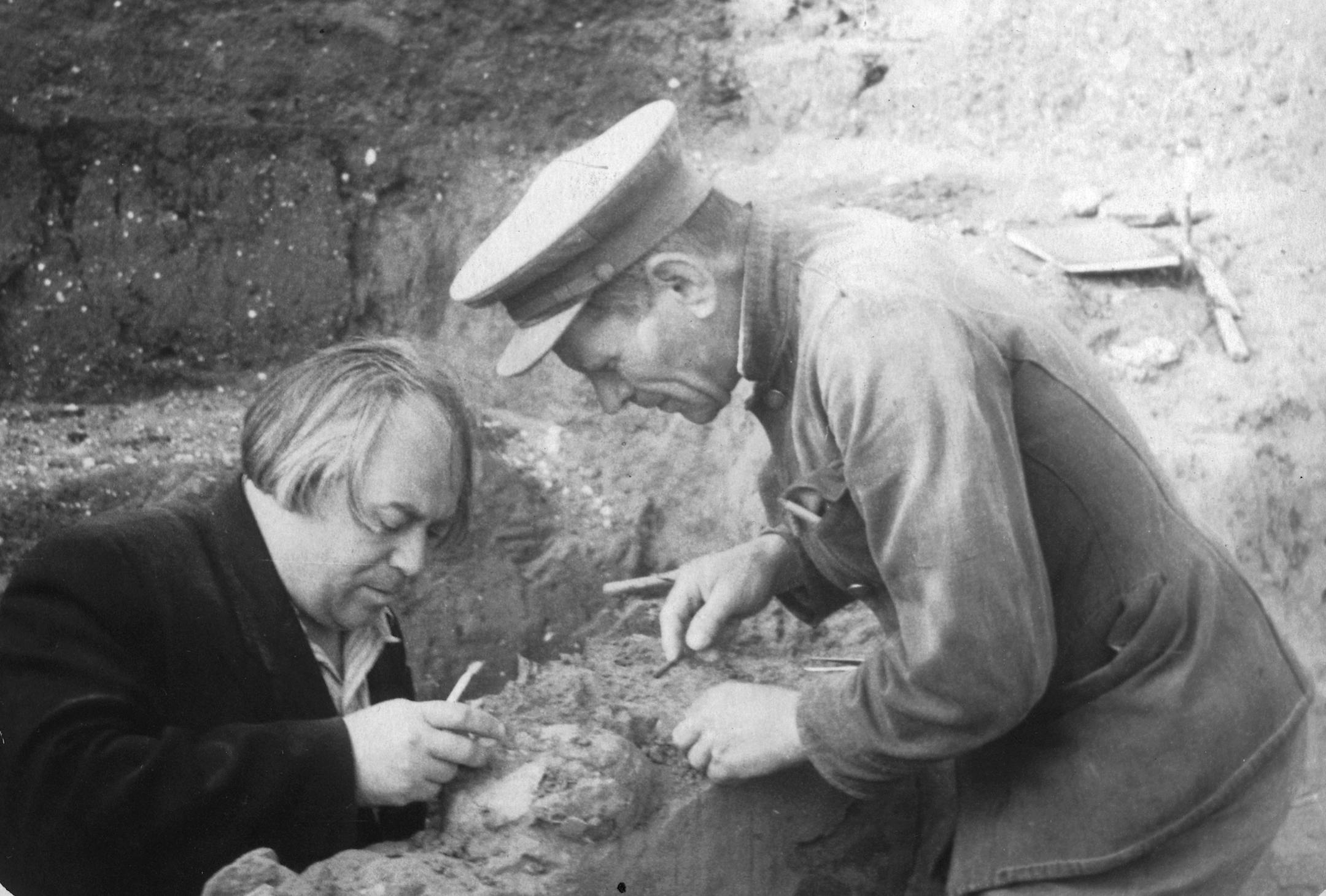
The 1954 photo provided by the Centre for GeoGenetics of the Natural History Museum of Denmark shows M .M. Gerasimov (on the right) with A.N. Rogachev (head of expedition on the left) excavating the fossil of Kostenki XIV in Kostenki-Borshchevo in what is now western Russia. A study of ancient DNA material has confirmed that the human populations now predominant in Eurasia and East Asia split more than 36,200 years ago. Researchers used new techniques to analyze genetic samples from the left tib
The 1954 photo provided by the Centre for GeoGenetics of the Natural History Museum of Denmark shows M .M. Gerasimov (on the right) with A.N. Rogachev (head of expedition on the left) excavating the fossil of Kostenki XIV in Kostenki-Borshchevo in what is now western Russia. A study of ancient DNA material has confirmed that the human populations now predominant in Eurasia and East Asia split more than 36,200 years ago. Researchers used new techniques to analyze genetic samples from the left tibia of a young man who died 38,700-36,200 years ago. (AP Photo/Peter the Great Museum of Anthropology and Ethnography) MANDATORY CREDIT (The Minnesota Star Tribune)

The human populations now predominant in Eurasia and East Asia probably split between 36,200 and 45,000 years ago, according to a study released Thursday.

Researchers used new techniques to analyze genetic samples from the shin bone of a young man who died at least 36,200 years ago near Kostenki-Borshchevo in what is now western Russia. The study, published in the journal Science, concludes that Kostenki man shared genetic sequences with contemporary Europeans, but not East Asians.

A separate study published in the journal Nature determined that a 45,000-year old sample found in Siberia contained sequences ancestral to both modern East Asians and Europeans. Taken together, these two studies suggest a time frame of about 9,000 years in which the two genetic populations could have diverged, said Eske Willerslev, an evolutionary biologist at the University of Copenhagen, Denmark.

Associated Press
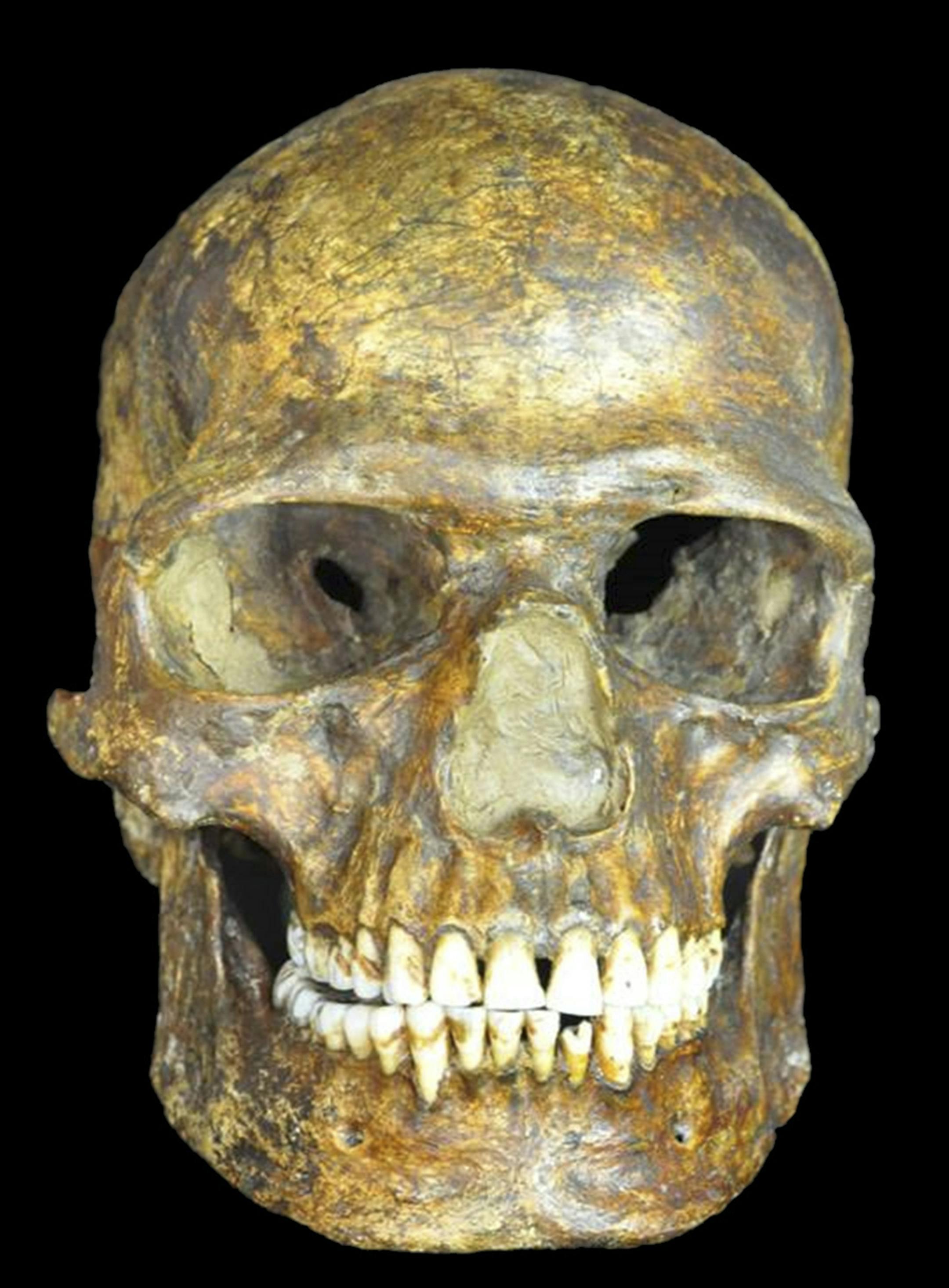
The undated photo provided by the Centre for GeoGenetics of the Natural History Museum of Denmark shows the skull of the fossil of Kostenki XIV that was found in 1954 near Kostenki-Borshchevo what is now western Russia. A study of ancient DNA material has confirmed that the human populations now predominant in Eurasia and East Asia split more than 36,200 years ago. Researchers used new techniques to analyze genetic samples from the left tibia of a young man who died 38,700-36,200 years ago. (AP
A fossil found in 1954 near Kostenki-Borshchevo, now in Russia. (The Minnesota Star Tribune)
about the writer

about the writer

More from No Section

See More
FILE -- A rent deposit slot at an apartment complex in Tucker, Ga., on July 21, 2020. As an eviction crisis has seemed increasingly likely this summer, everyone in the housing market has made the same plea to Washington: Send money — lots of it — that would keep renters in their homes and landlords afloat. (Melissa Golden/The New York Times) ORG XMIT: XNYT58
Melissa Golden/The New York Times

It’s too soon to tell how much the immigration crackdown is to blame.