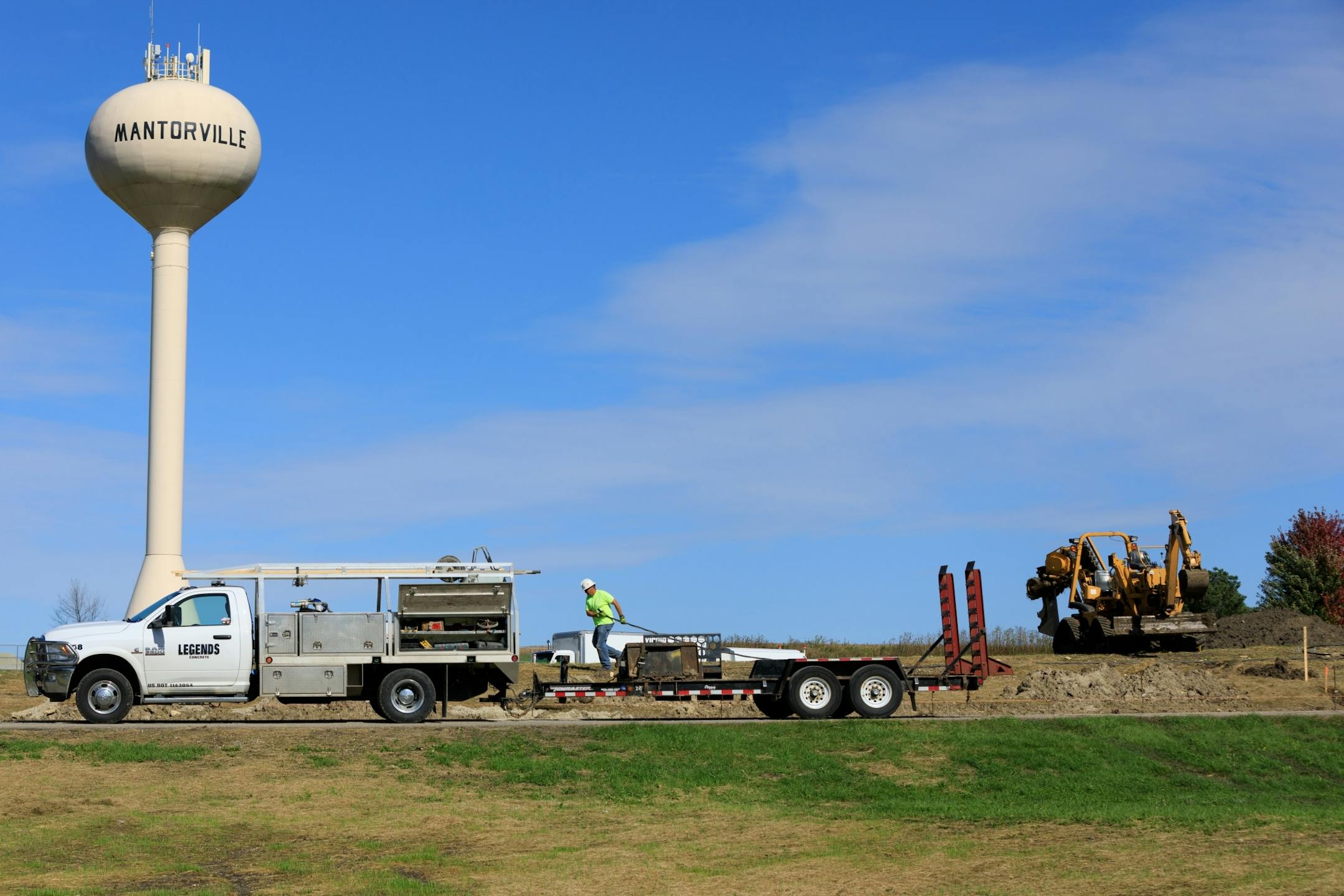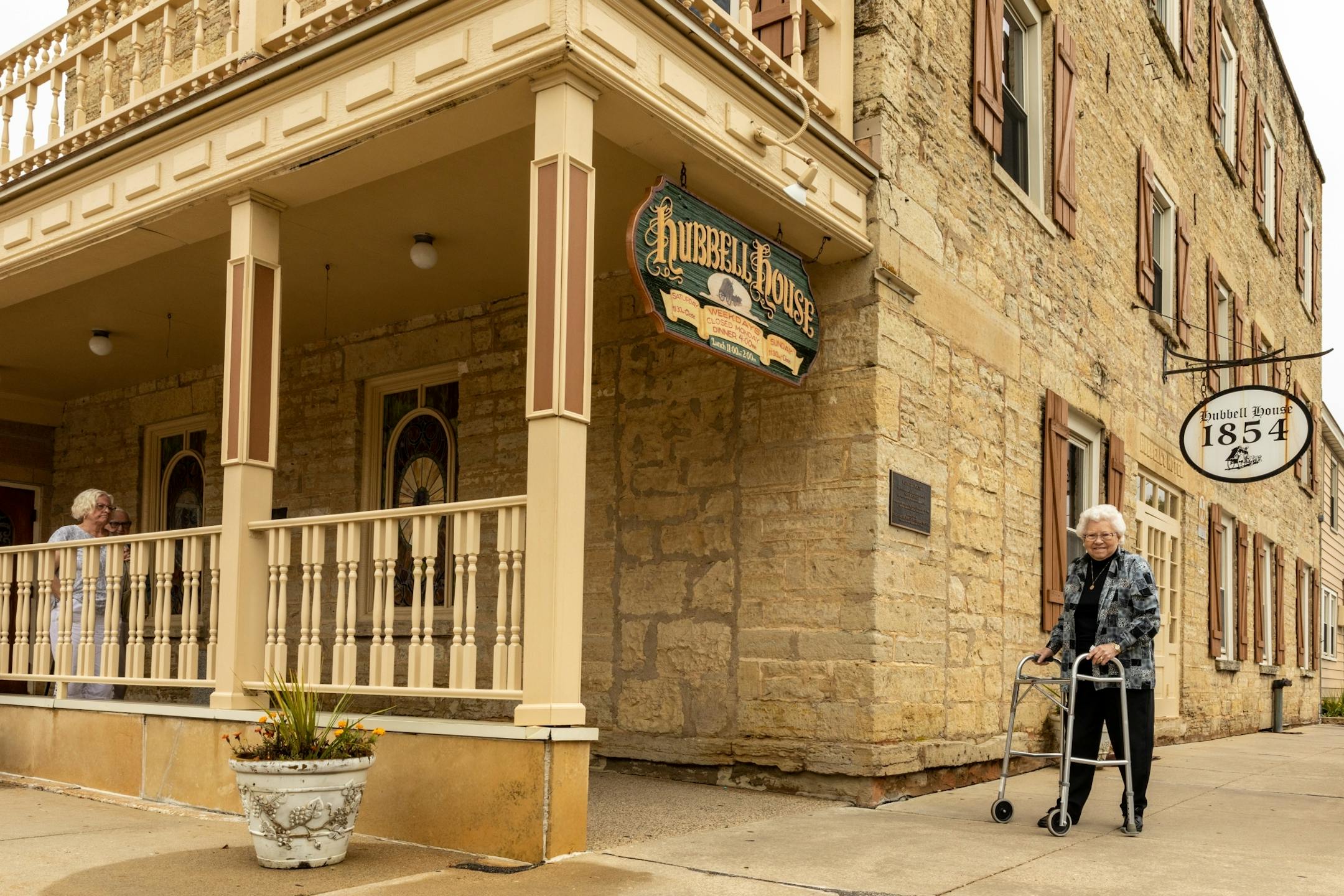
MANTORVILLE, Minn. – Anyone driving through this historic Dodge County town 18 miles west of Rochester would get the impression from its saloons, antique stores and the stone walls of the Hubbell House restaurant that it's little more than a tourist hamlet.
A short trip into the adjoining township leaves an entirely different impression: newer homes built with three-car garages on lots ranging from a half-acre to six acres, with expansive, well-kept lawns. These homes cater to the professionals spilling out of Rochester's Mayo Clinic and an expected employment surge coming from a massive, five-year-old development initiative called Destination Medical Center.
DMC is a 20-year, $5.6 billion investment from public and private sources designed to make Rochester a magnet for biomedical research and other tech firms seeking to grow alongside Mayo. It's forecast to create 28,000 jobs by 2034.
A year-old regional economic study commissioned by the Southeast Minnesota League of Municipalities noted that DMC will lead to a boom in housing construction, but that will still leave a gap of 14,100 new housing units needed across Dodge, Fillmore, Goodhue, Houston, Mower, Olmsted, Wabasha and Winona counties.
City and county officials in the region say housing shortages already are driving up prices across the region, though no one can say how much of the increase can be traced to DMC. Few starter homes are being built at affordable prices, and communities outside of Rochester are vying to attract new residents, prompting concerns about sprawl.
Dodge County Administrator Jim Elmquist keeps a close eye on housing issues from his office in Mantorville, the county seat, a city where the entire downtown district was placed on the National Register of Historic Places in 1974.
"If people are looking to find affordability, they're going to come to Dodge County, but they're not finding that right now," Elmquist said.
Data compiled by Minnesota Realtors, a trade group, show that median residential home prices increased 34.5% across southeastern Minnesota from 2014 to 2018, slightly outpacing the statewide rise.