Approaching the Distillery District from downtown Lexington, Ky., by car, I couldn't miss the large black-and-red mural depicting what looks to be — depending on your perspective — a demented scuba diver, a man wearing a gas mask, or more menacingly, a prison inmate flashing what may or may not be a gang symbol. Beneath are scrawled the words, "Caution. Do not feed."
I learned that the artwork, which stretches across one side of a warehouse, is a self-portrait by French muralist MTO, and the contorted hands spell out the artist's name. Though some Lexingtonians believe the work is not exactly a warm and fuzzy addition to the city's burgeoning public art scene, it seems appropriate as one of the key features of the city's newest arts-and-entertainment corridor, the Distillery District.
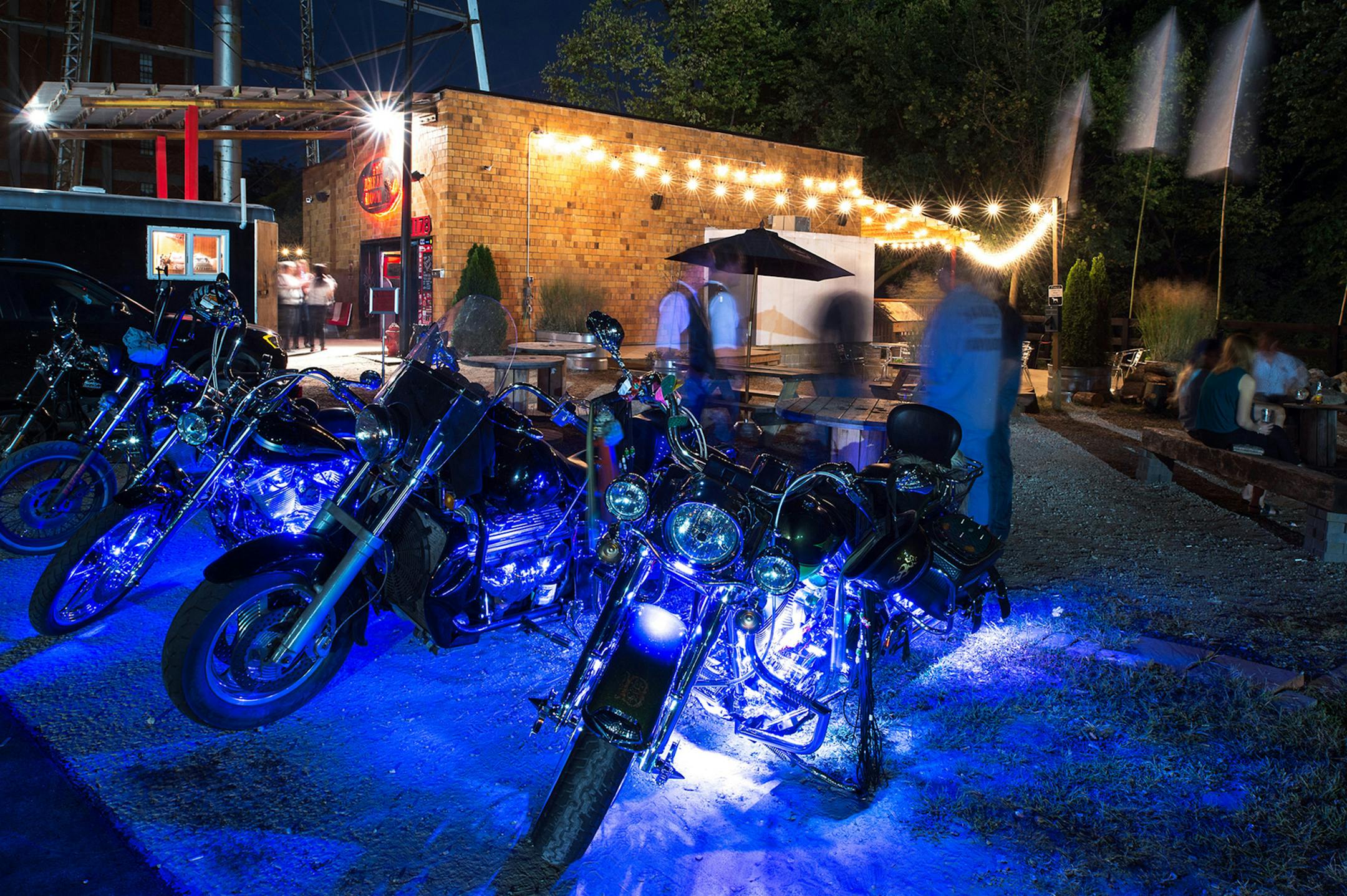
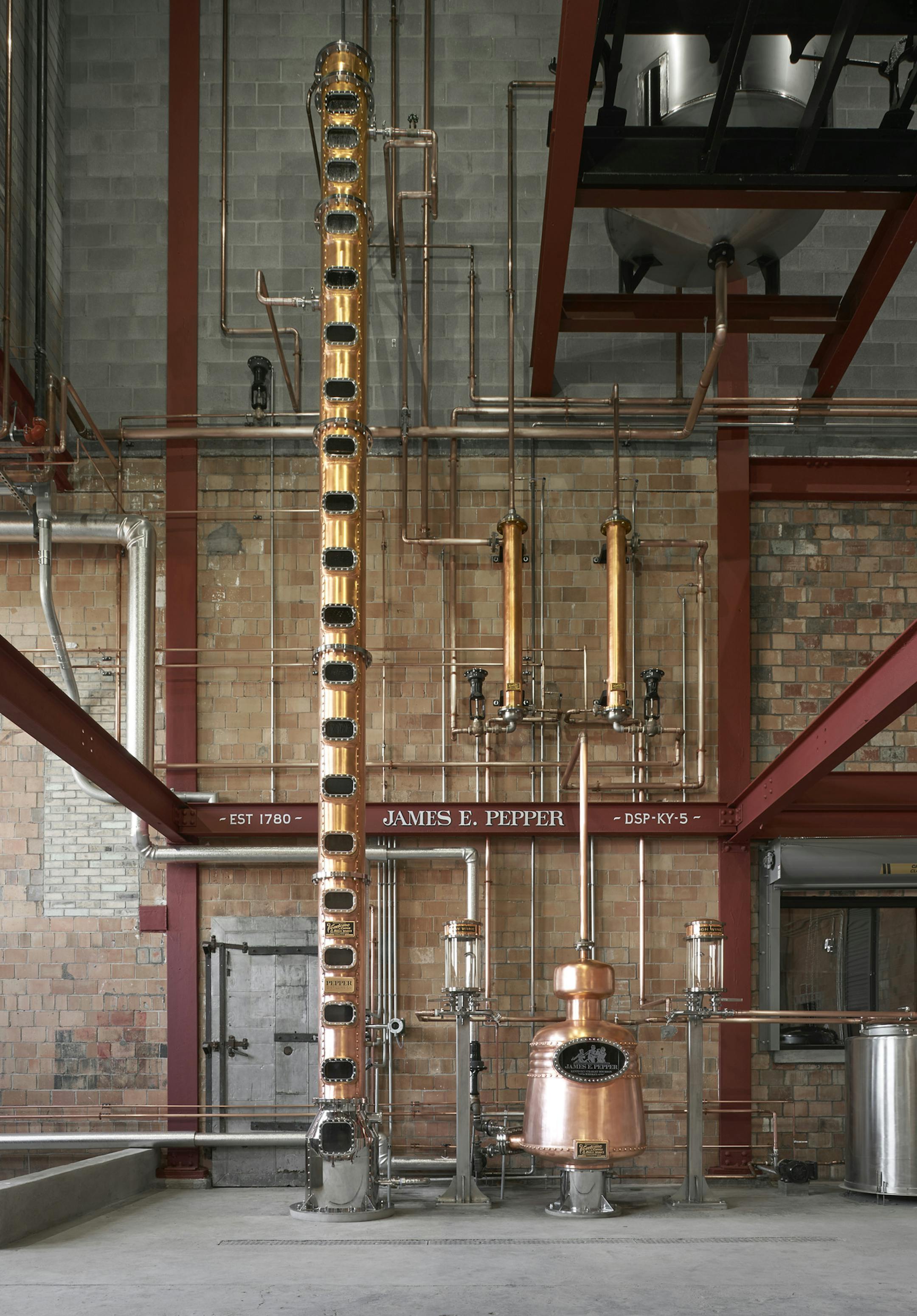
Sandwiched between two historic bourbon distilleries — the now-defunct Old Tarr and the recently reopened James E. Pepper — the area is gritty rather than genteel, seedy rather than sanitized, urban rather than urbane. But it's becoming a city hot spot.
So, just why has such a scruffy side of this famously refined city become the newest go-to destination, where every night locals and visitors alike scramble for seats in the smattering of spots that have opened in the past few years?
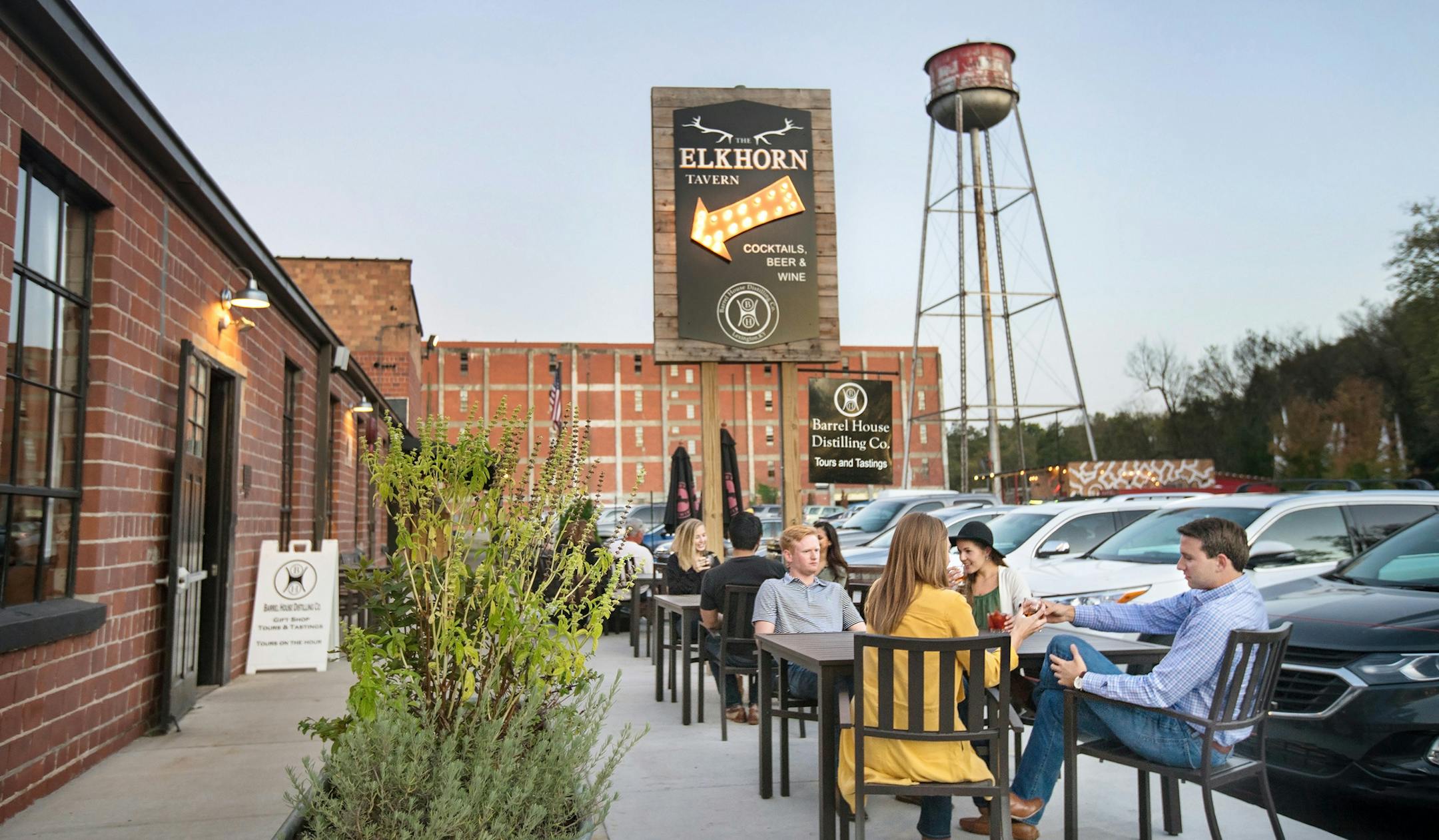
Chad Burns, a distiller at Barrel House Distilling Co., says it goes well beyond the Pure Blue Vodka and Devil John's Moonshine that his company makes.
"On a deeper level, the appeal is in the revitalization of something that was once the lifeblood of Lexington," he says.
It was indeed. By 1810, more than 100 distilleries operated in or near the city, and by the late 1800s, the two distilleries that bookend the current district produced some 36,000 barrels of bourbon annually.
Alas, in the years to follow, various economic downturns and the advent of Prohibition caused a decline in production and the once prominent district languished. Less than a decade ago, it was an urban eyesore, a blighted area of empty warehouses and abandoned buildings.