

Often, events dictate the direction of our politics.
Sometimes, politicians and their actions shape the course of events.
Then there was 2020. As the year wraps up, trying to sum it up in Minnesota and U.S. politics means trying to make sense of a messy jumble of cause and effect.
A global pandemic. A worldwide reckoning over race and policing that rose from a south Minneapolis street corner. And a presidential election outcome that saw a sitting president and his allies attempt to foment an alternate reality in a way that's likely to reverberate across political systems for years to come.
The year started in normal enough fashion. A group of Democrats, including Minnesota Sen. Amy Klobuchar, were competing to challenge President Donald Trump in his bid for a second term. A strong U.S. economy was a big selling point for the incumbent, but his unconventional approach and penchant for controversy were likely vulnerabilities.
Then came COVID-19. Within two weeks of the Super Tuesday primaries that saw Joe Biden effectively nail down the Democratic nomination, many U.S. states, including Minnesota, were shutting down public life in response to a rapidly worsening viral pandemic.
Gov. Tim Walz, just 14 months into his first term, took center stage. The Democratic chief executive has ordered a series of business shutdowns as he argued that public health trumps economic vitality. Minnesotans will render their judgment on that in 2022.
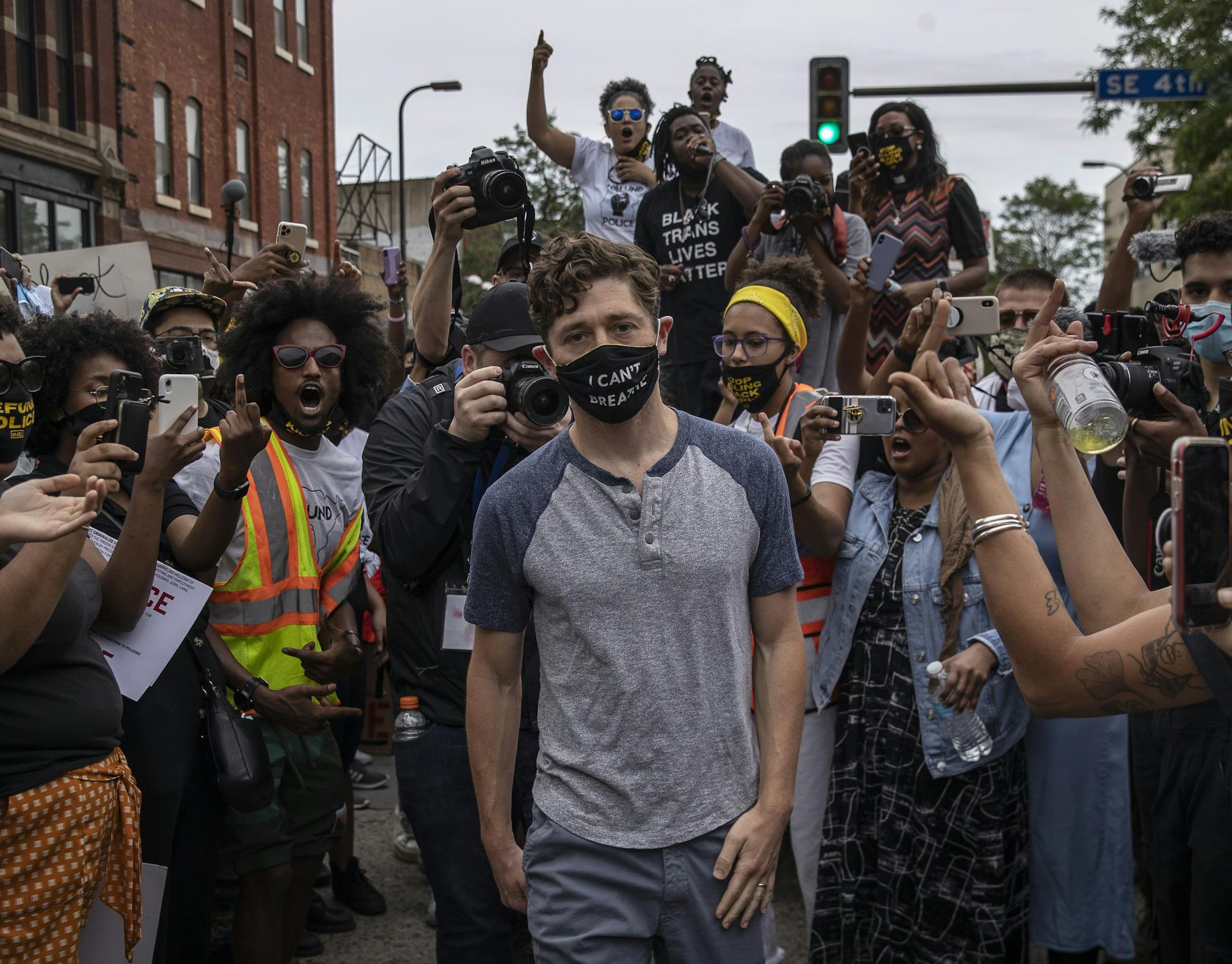
With nerves badly frayed by the pandemic, Minnesotans got another shock in the days following Memorial Day. That night, George Floyd died in the custody of a group of Minneapolis police officers, reigniting long-simmering grievances about the treatment of people of color by law enforcement.


