BEIRUT, Lebanon – Wafa al-Salem has lost two years of school because of the violence ripping through her country, Syria. She's now back in the classroom in Lebanon but wonders if she will be able to catch up.
"I miss my classmates and the school," said al-Salem, 11, her green eyes sparkling with tears. "I want to become a pediatrician. I hope I still have a chance."
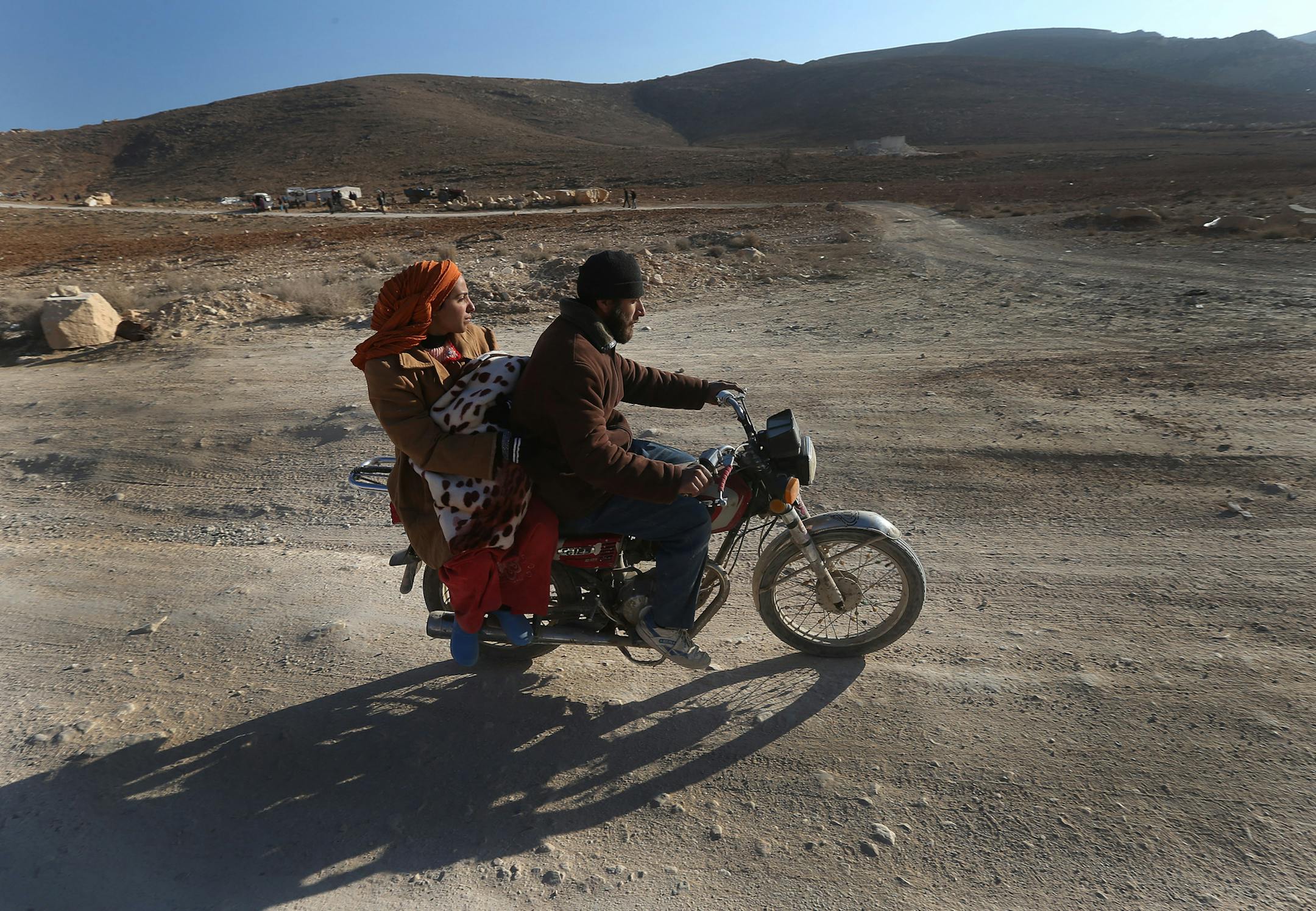
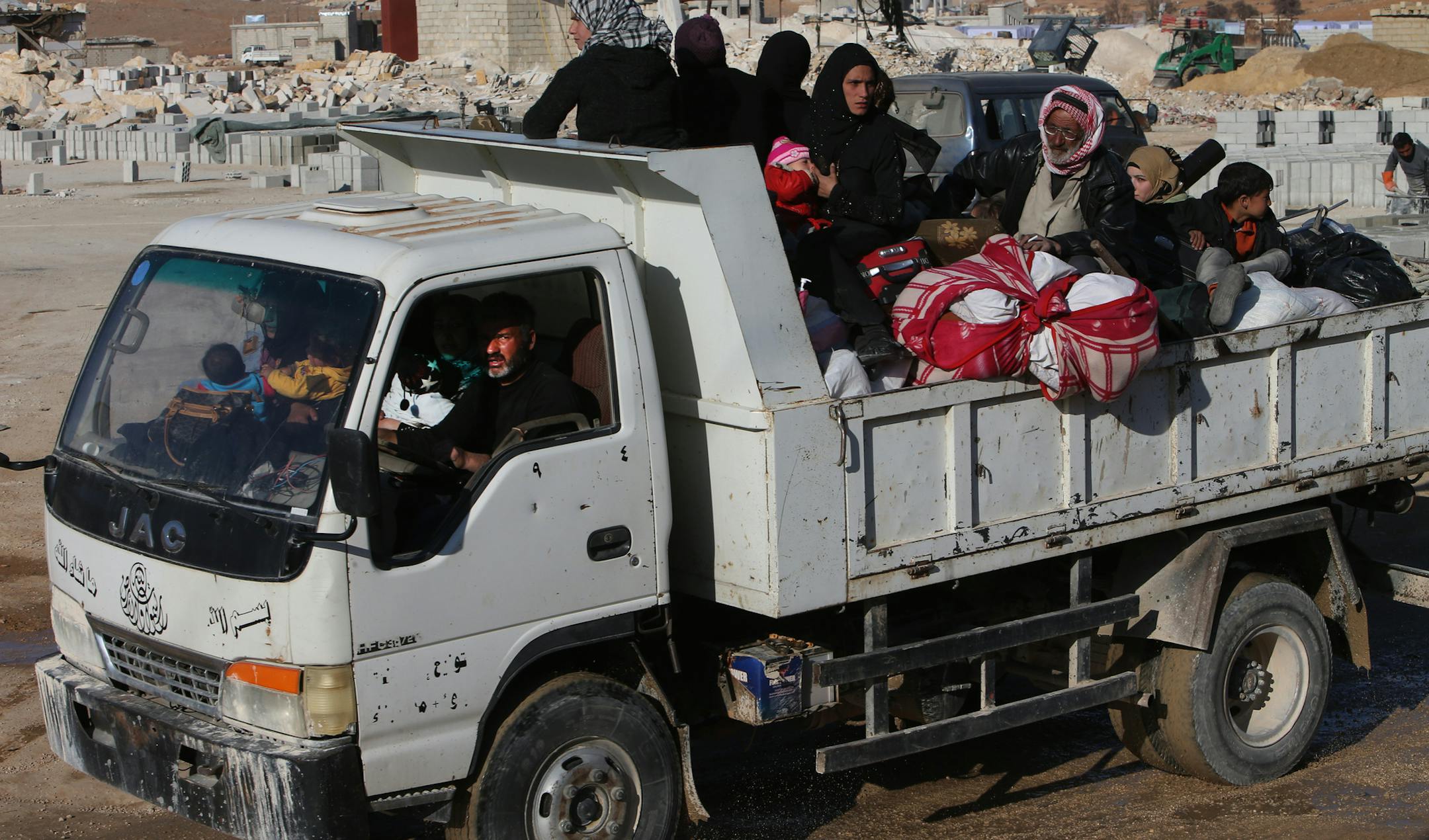
Al-Salem and her family, now seeking refugee status in Beirut, are among more than 2 million Syrians forced by the three-year civil war to flee to neighboring countries such as Jordan, Turkey and Lebanon. An additional 6.5 million, the United Nations High Commissioner for Refugees said in a report, have been internally displaced, and more than 130,000 are dead.
The mounting numbers are one reason U.N. mediator Lakhdar Brahimi is urging a faster pace for the peace talks he's hosting in Geneva. Tens of thousands of Syrian civilians remain trapped with little food and medicine in besieged enclaves including Homs, where the U.N. brokered a cease-fire and partial evacuation starting last week. At least 1.9 million children have been forced to drop out of school since the conflict began in March 2011, the U.N. high commission said, citing government figures.
Both sides must "help Syria out of the nightmare its people have been living through," Brahimi said Tuesday.
The delegations from President Bashar al-Assad's government and the non-Islamist opposition haven't even been able to agree on the agenda of the Geneva talks, now in their second round.
The opposition insists on focusing the discussions on a transitional administration where Assad has no role, while the president's loyalists want to first tackle terrorism, a term the government uses to refer to rebel fighters.
"We don't expect a major breakthrough this week," U.S. State Department spokeswoman Jen Psaki told reporters Tuesday. "What we believe we need to continue to do is press the regime" to engage more seriously in this process, she said.