

At first glance, there seems to be little in common between the digital and diplomatic worlds.
Digital industries dot Silicon Valley. Diplomats inhabit "Foggy Bottom," the swampland that's home to the U.S. State Department. Tech titans wear hoodies. Ambassadors are part of the "striped-pants" set. Digital innovators embrace virtual reality. Diplomats? Realpolitik.
The World Wide Web knows no borders. Diplomacy is also global, but its practitioners are acutely aware of national boundaries.
And yet, the State Department is strategically using social-media tools to protect and project U.S. interests, including promoting democracy, which is the topic of this month's Minnesota International Center's "Great Decisions" dialogue.
To date, State has a blog on Tumblr (DipNote); 196 Twitter accounts with more than 1.6 million followers; 288 Facebook pages with more than 9 million fans, and 125 YouTube channels with more than 25,000 subscribers and 14.4 million video views. From Washington, tweets are sent out in 11 languages (English, Chinese, Arabic, Farsi, Spanish, Turkish, Russian, French, Portuguese, Urdu, Hindi), and in country, tweets are translated into dozens of other local languages.
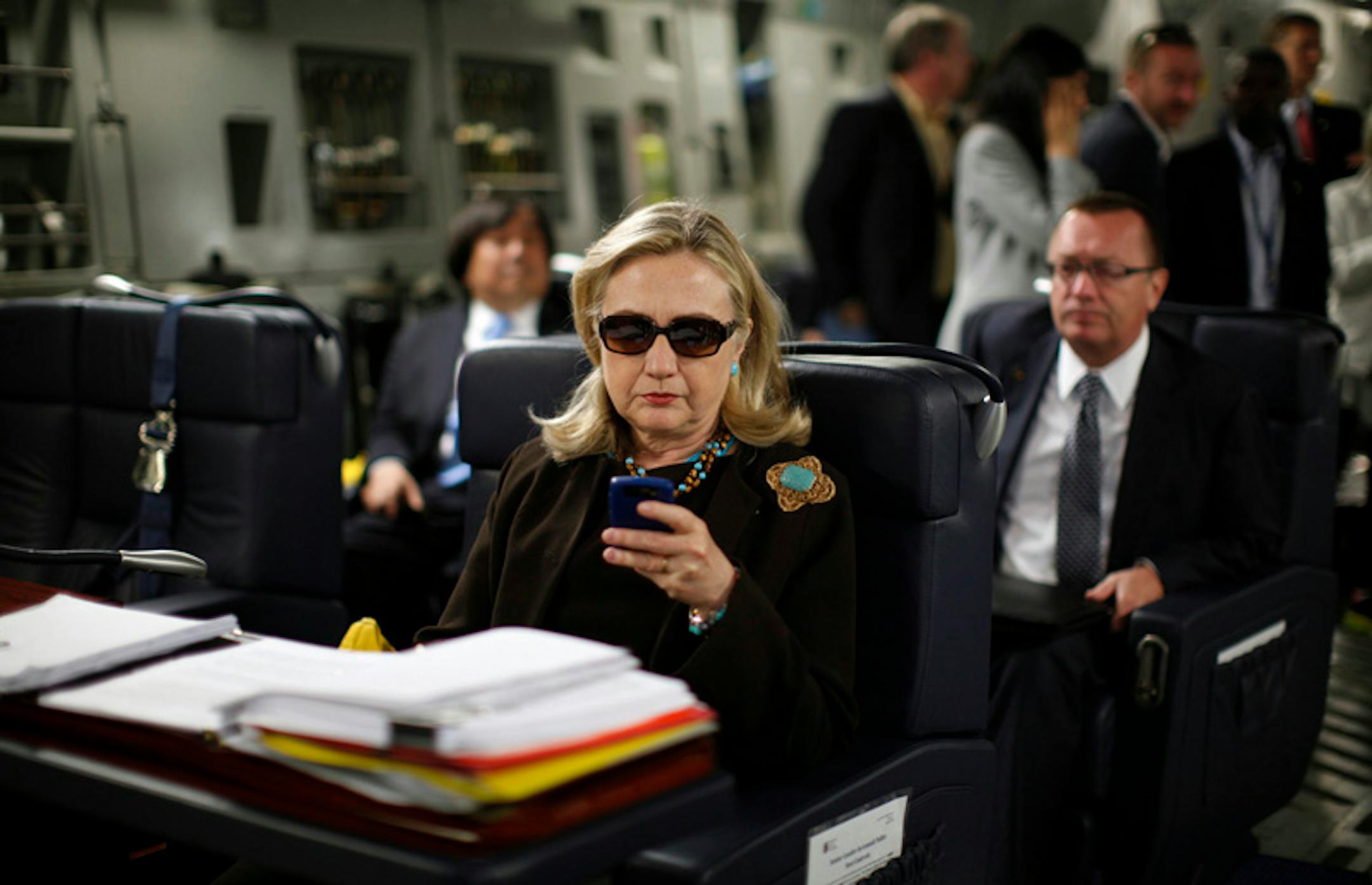
"Secretary [Hillary] Clinton has made 21st-century statecraft a key part of her agenda," said Victoria Esser, the department's deputy assistant secretary for digital strategy.
Pointing to examples of extensive outreach in Thailand, rapid social-media messaging in the wake of Japan's natural disasters, and a recent Google+ "hangout" regarding Iran, Esser said that, "Foreign policy is no longer just discussed at summits or one ambassador with a group of members of civil society in an embassy reception room. Technology has really enabled citizens around the world to have a more direct and real-time voice in policy conversations with government officials and with each other."
The effort to inform and engage works best when it's a "feedback mechanism," said Eric Schwartz, dean of the Humphrey School of Public Affairs at the University of Minnesota and formerly an assistant secretary of state for humanitarian affairs. Schwartz explained that the goal is often to influence citizens in a country to pressure their own government for change.


