MCGREGOR, MINN.
Wayne Bobendrier encounters plenty of deer while grooming 160 miles of snowmobile trails in north-central Minnesota, and says the brutal winter has taken its toll.
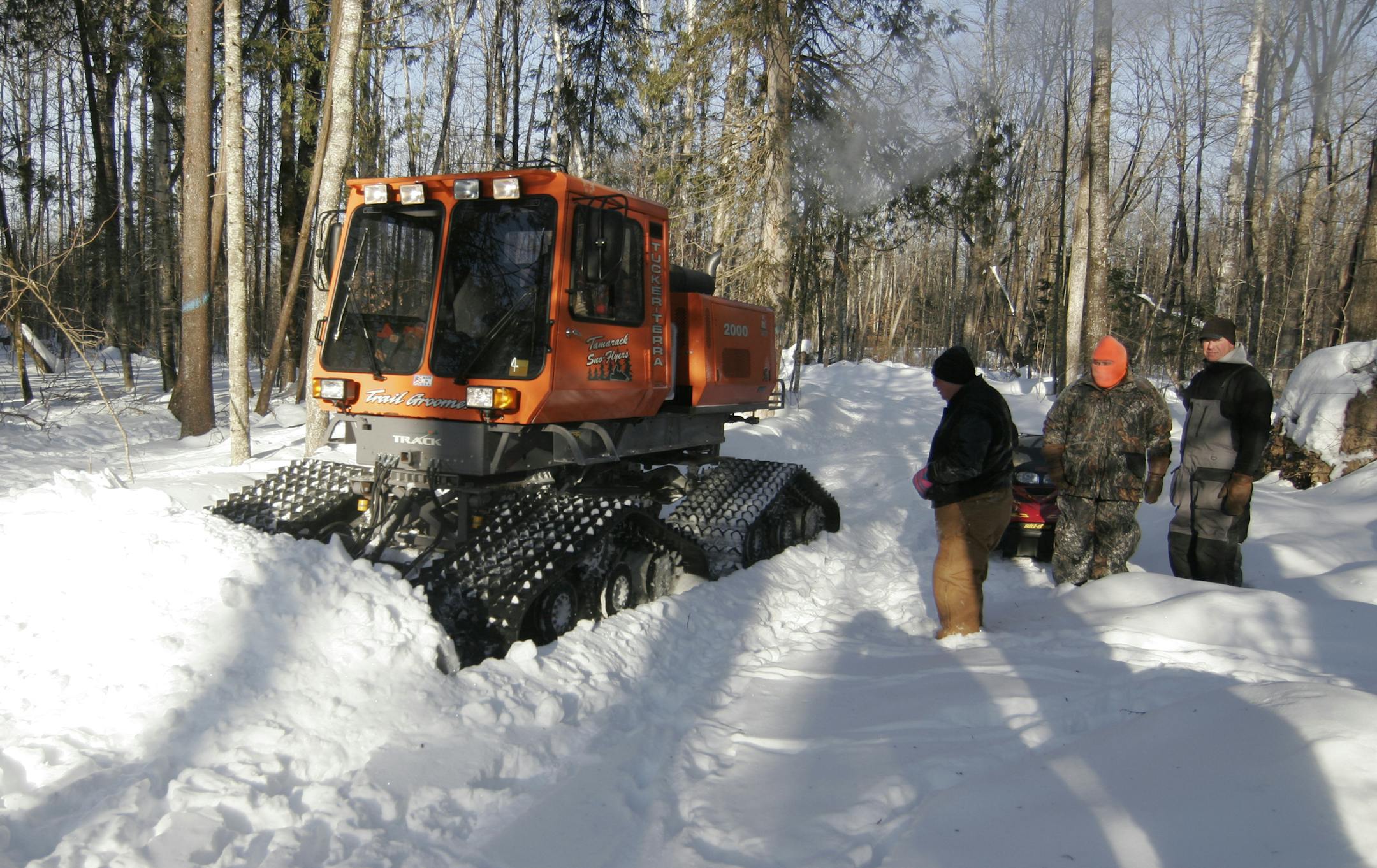
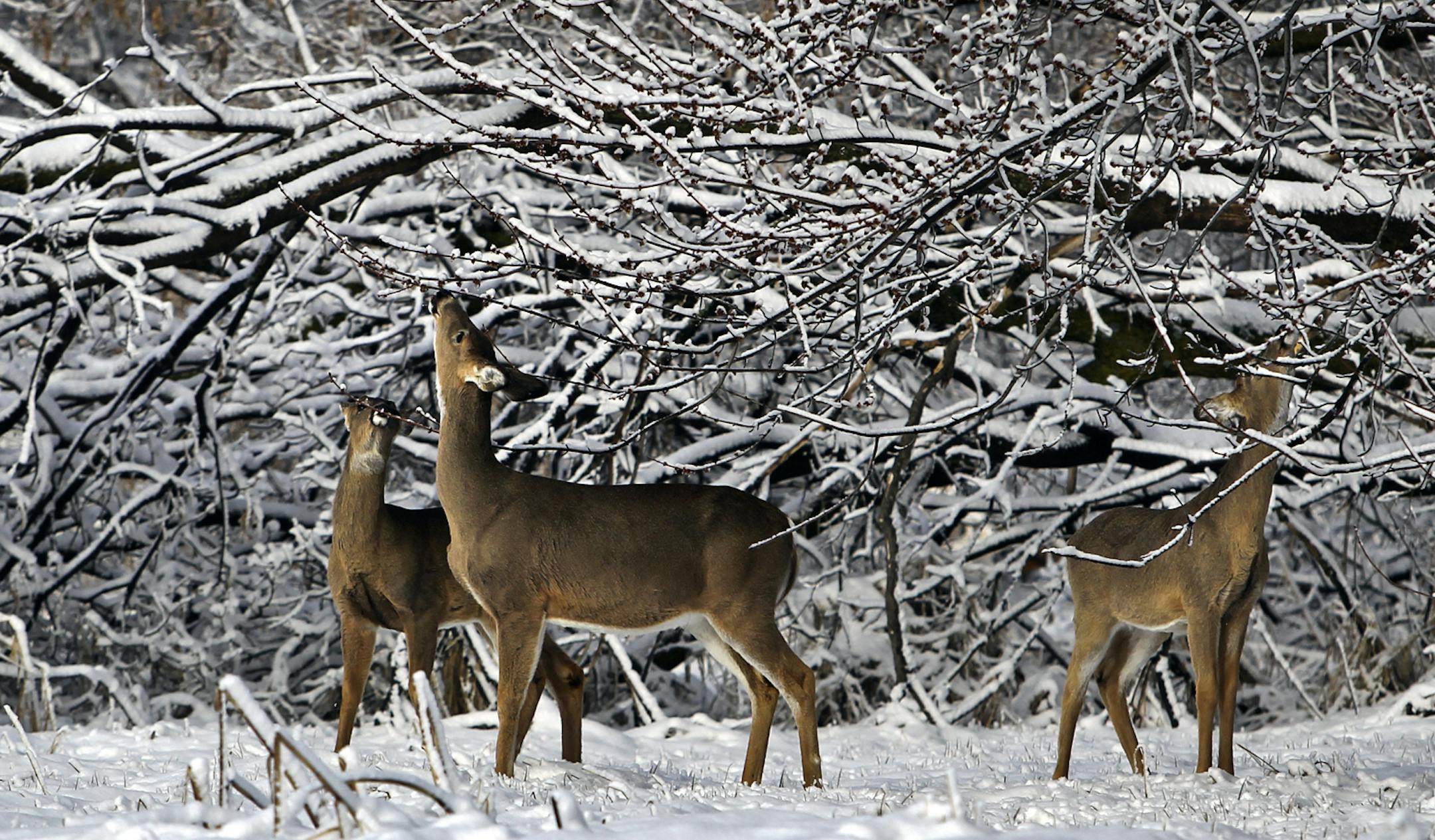
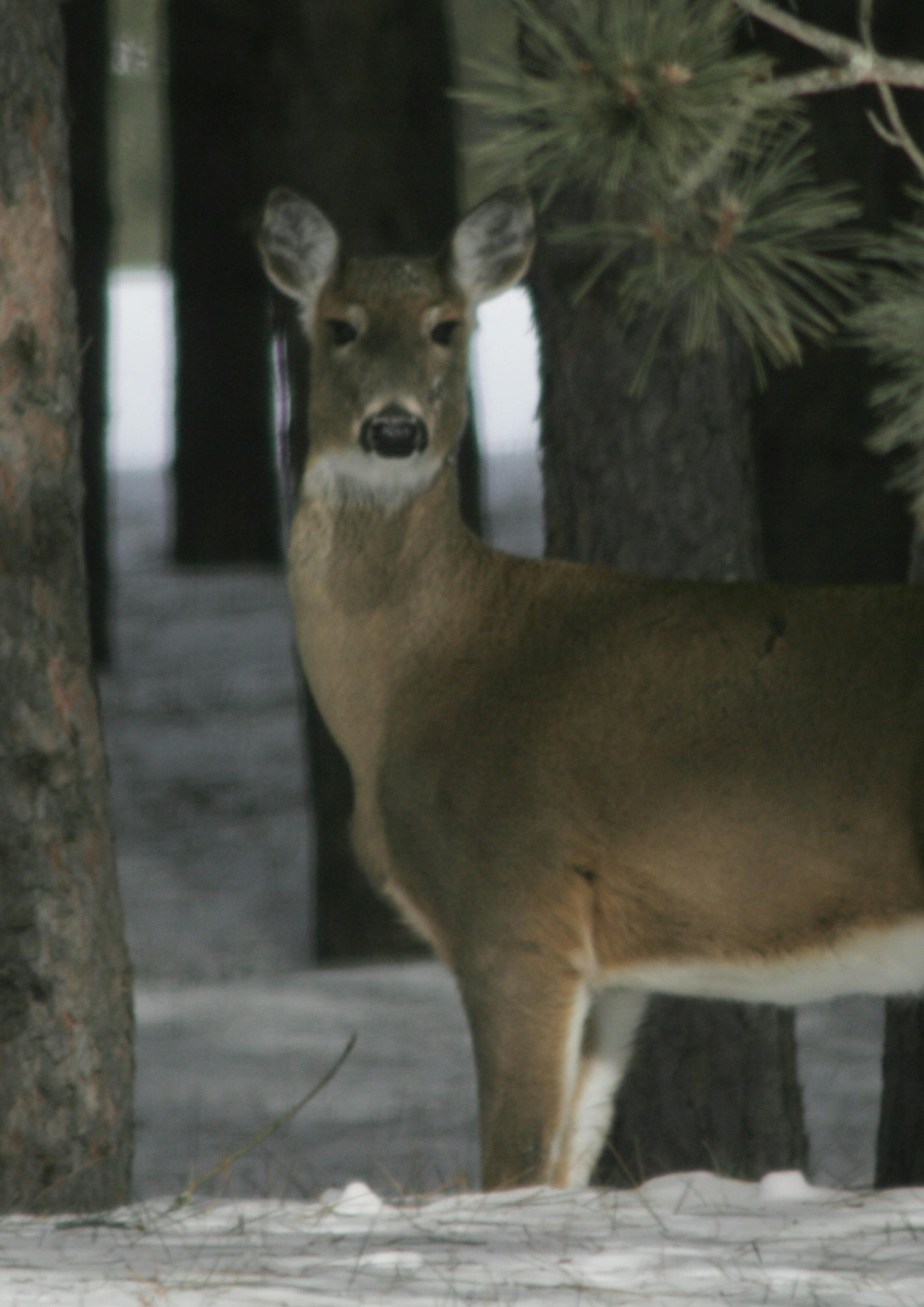
"You can tell the deer are in rough shape — they are thinner and have less energy,'' he said Monday from the heated cab of his orange tracked trail-grooming machine as he plowed through woods blanketed with more than 3 feet of snow.
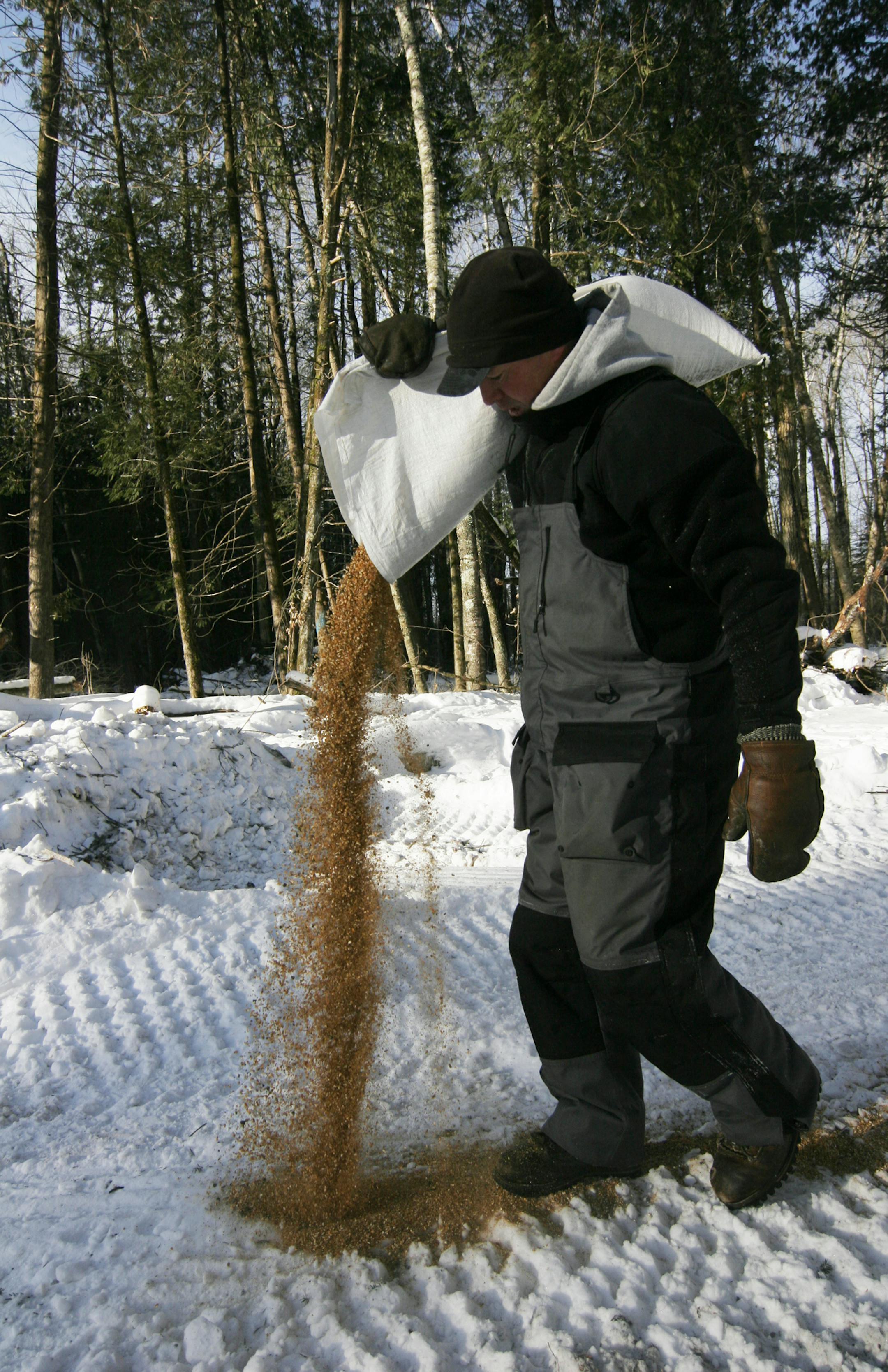
Bobendrier wasn't grooming a snowmobile trail. He was plowing a path for an emergency deer feeding operation set to begin this week — the first state-financed feeding program in 17 years. Beginning Thursday, 88 tons of deer feed — the first of about a million pounds — will be distributed to eight drop-off sites: Esko and Moose Lake on Thursday, Hibbing and Grand Rapids on Friday, and International Falls and Cook on Saturday. Feed will be delivered Monday to the McGregor-Wright and Virginia areas.
More than 200 volunteers with the Minnesota Deer Hunters Association (MDHA) will distribute the feed pellets over the next six weeks.
"If we feed about one pound of food per deer per week, we're hoping to take care of about 20,000 deer for six weeks,'' said Mark Johnson, MDHA executive director.
The Department of Natural Resources has allocated $170,000 from its deer feeding and disease account to pay for the feeding, though DNR officials won't be involved and don't believe it will have a broad impact for deer.
Dan Guida, Ron Clasen and Bob Dreger, all members of the McGregor chapter of the MDHA, disagree. They joined Bobendrier in the woods Monday.