

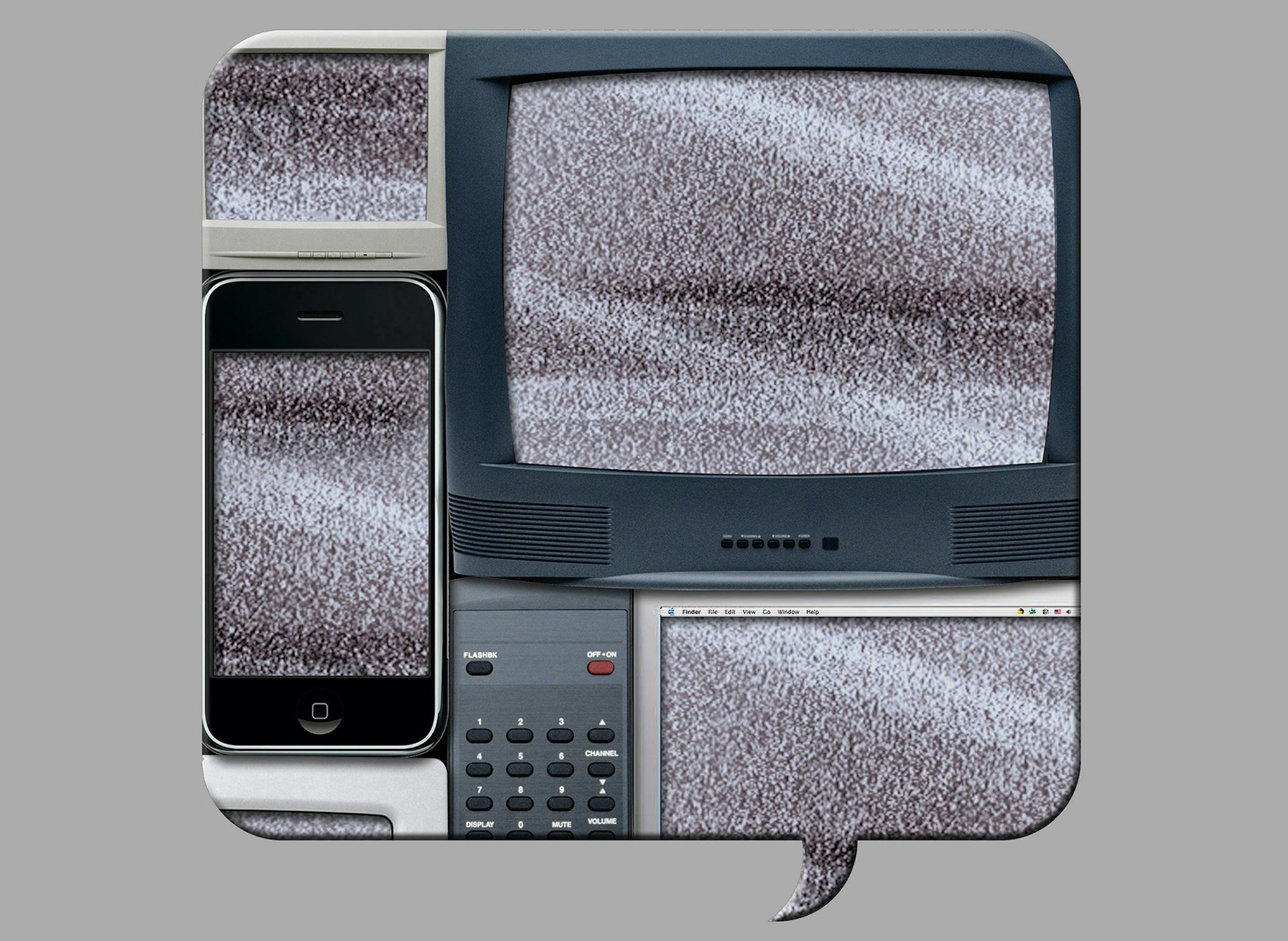
Media is mostly additive, not reductive. TV didn't kill film — it spawned American Movie Classics and HBO. VCRs and DVRs didn't neuter network TV — the technology made shows more available. Radio and recorded music have been mostly symbiotic. And e-readers didn't stop printing presses — they increased reading.
This doesn't mean that new media forms aren't disruptive. Digital media, for instance, has significantly shifted news media consumption, revenue, employment and impact. Yet it's also creating opportunities that are energizing journalism, according to the Pew Research Center's 2014 State of the News Media report released on Wednesday.
"The level of news activity this past year is creating a perception that something important, perhaps even game-changing, is going on," the report said. "If the developments in 2013 are at this point only a drop in the bucket, if feels like a heavier drop than most. The momentum behind them is real, if the impact on citizens and our news system remains unclear."
In fact, the bucket seems overflowing, given the evidence in the extensive report. Last year, for instance, 83 percent of Americans received news in some digital format. Increasingly, it's through social media. Half of Facebook and Twitter users get news from those sites. While this has a big upside for the news media, the downside is that most news usage is incidental: 78 percent of Facebook users see news when they are using the service for other reasons. Just 22 percent think of Facebook as a "useful way to get news." Not surprisingly, given the social nature of the media form, dessert is served first: Entertainment news tops the list at 73 percent, while eat-your-peas international news comes in ninth at 39 percent.
And yet the new news media sites sprouting online will help fill a void in international coverage, Pew predicts. Local news and investigative journalism — two other content areas that have been scaled back during the digital disruptions rocking the news media industry in recent years — also stand to gain.
For foreign affairs coverage in particular, this is important. The number of network news stories with a foreign dateline has halved since the late '80s, and Pew data calculate that despite an increasingly interconnected world, in most recent years only about a tenth of overall news space is dedicated to overseas events.
Increased digital news usage also means more Internet journalism jobs: 3,000 at the 30 top digital news sites, per Pew's count. Conversely, significant job losses at legacy print organizations continued last year.
The online hiring spree includes some big names jumping journalism ships. Among the many notables, Nate Silver moved his prescient prediction site from the New York Times to ESPN; the Washington Post's Wonkblog leader Ezra Klein is now at Vox Media; the Guardian's Glenn Greenwald, who published Edward Snowden's revelations, will write for First Look Media; and former New York Times Executive Editor Bill Keller will focus on criminal justice issues at the Marshall Project.


