It's history revealed in the dirty little details.
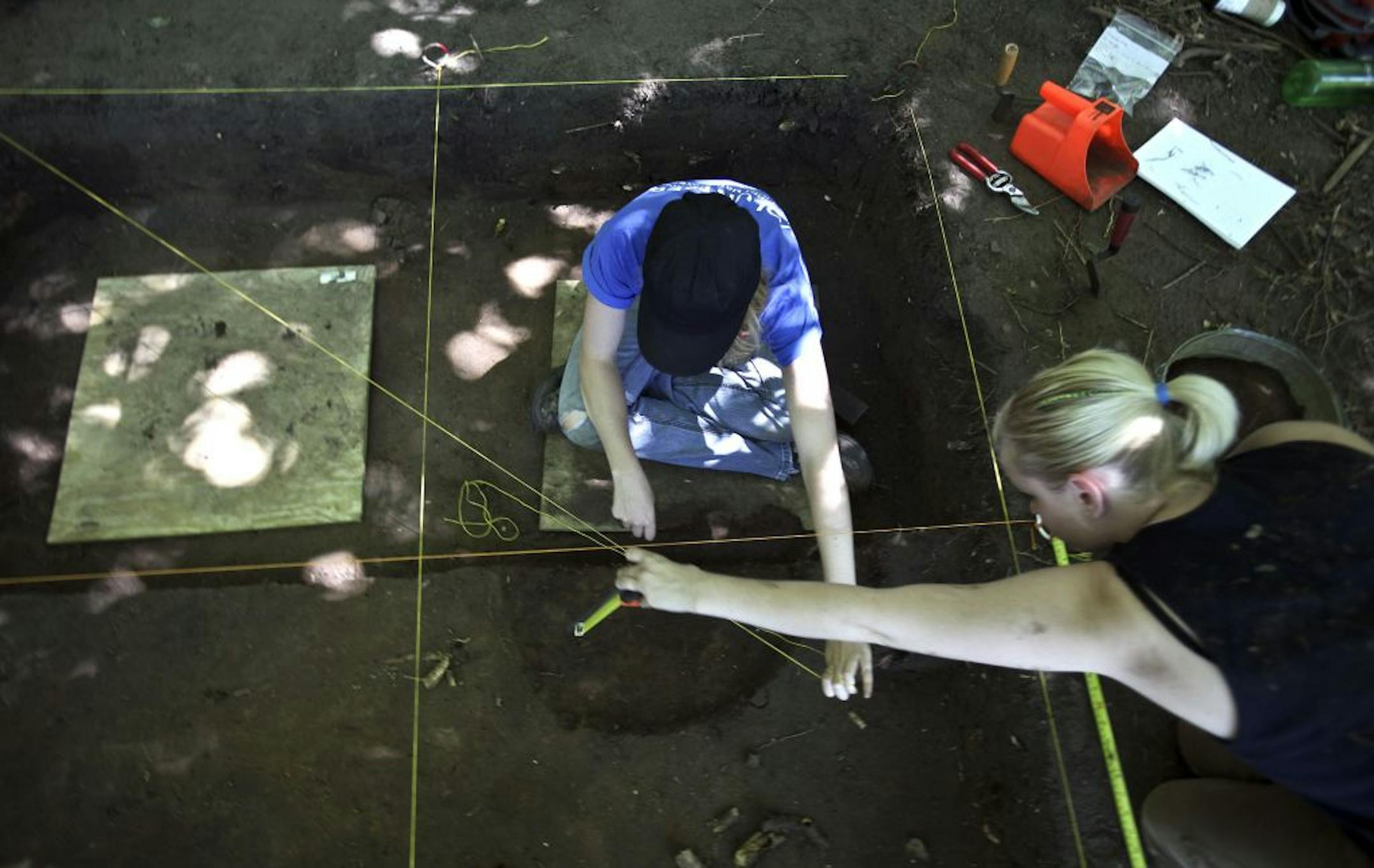
So scientists and students huddled on their hands and knees this summer, methodically sifting through the dirt for artifacts.
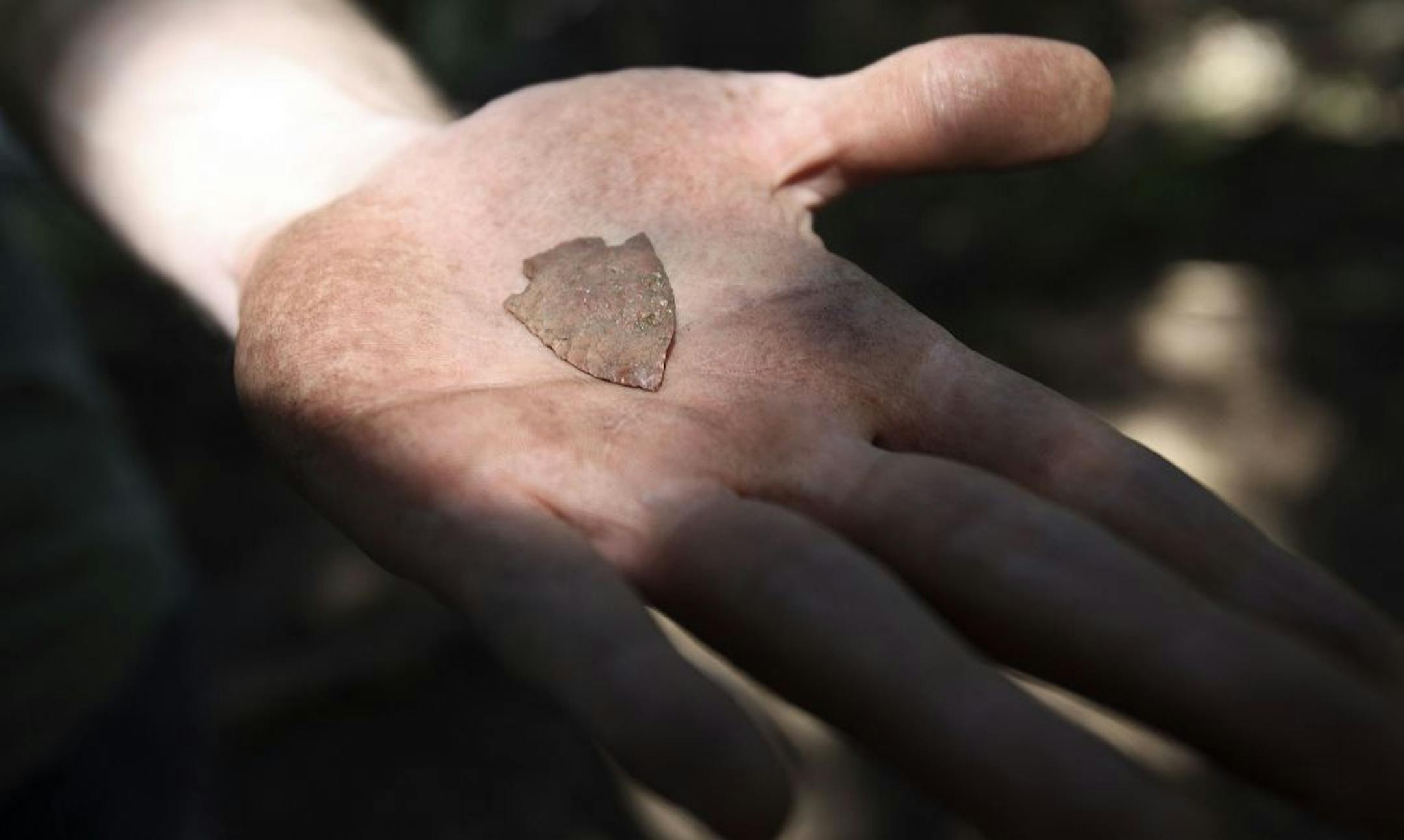
They searched near the banks of the Mississippi River for shards of pottery, stone tools -- including arrowheads -- animal bones and evidence of houses.
Archaeologists call the site Bremer Village. It's now undeveloped woodland near a portion of the river known as Spring Lake, in southeastern Dakota County. Nearly 2,000 years ago, ancestors of today's American Indians, drawn by the natural springs and rich resources, settled here.
A dozen University of Minnesota anthropology students, along with staff from the Science Museum of Minnesota, excavated the site aiming to dig up more artifacts and eventually more answers about life here before the first European settlers arrived.
"The biggest challenge is we don't have written records from this time period," said Gilliane Monnier, University of Minnesota assistant professor of anthropology. "We are basically piecing together the past from the clues we find in the ground."
The students learned the basics of field archaeology, including how to dig and identify and photograph artifacts.
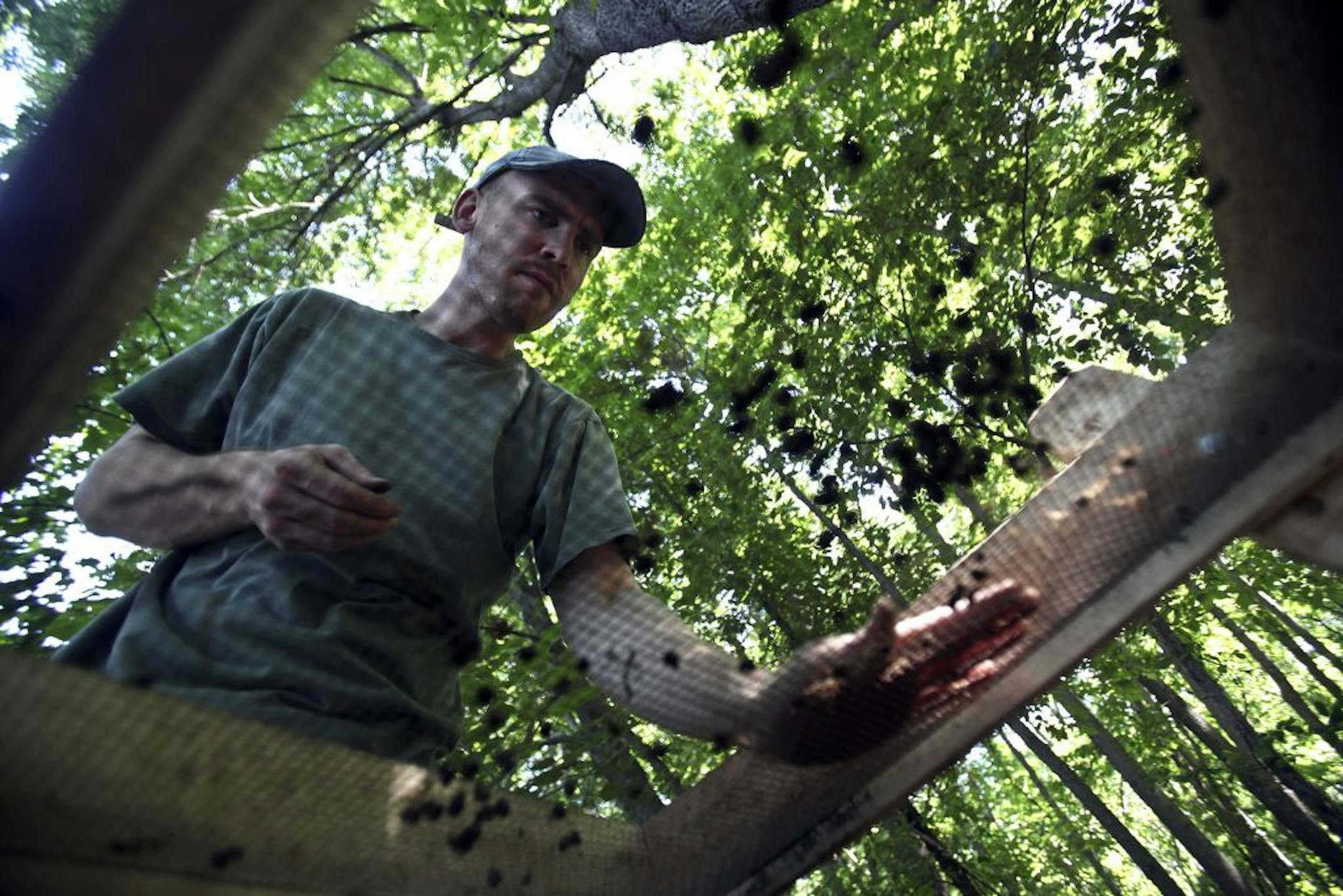
They used shovels, small trowels, sieves and their bare hands to search for evidence of the past. Ancestors of Indians are believed to have occupied these sites from 200 to 1200 A.D.