

A common lament in Vikings land over the past nine years (and, really, eight seasons) is that Minnesota failed to capitalize on Adrian Peterson's brilliance by often saddling him with quarterbacks who were young, ineffective or both. The Vikings have made the postseason four times since Peterson came into the league in 2007, and they've won exactly one playoff game — in 2009, when the Vikings had their best QB play (by far) of Peterson's tenure when Brett Favre turned back the clock. That season, of course, Minnesota nearly reached the Super Bowl.
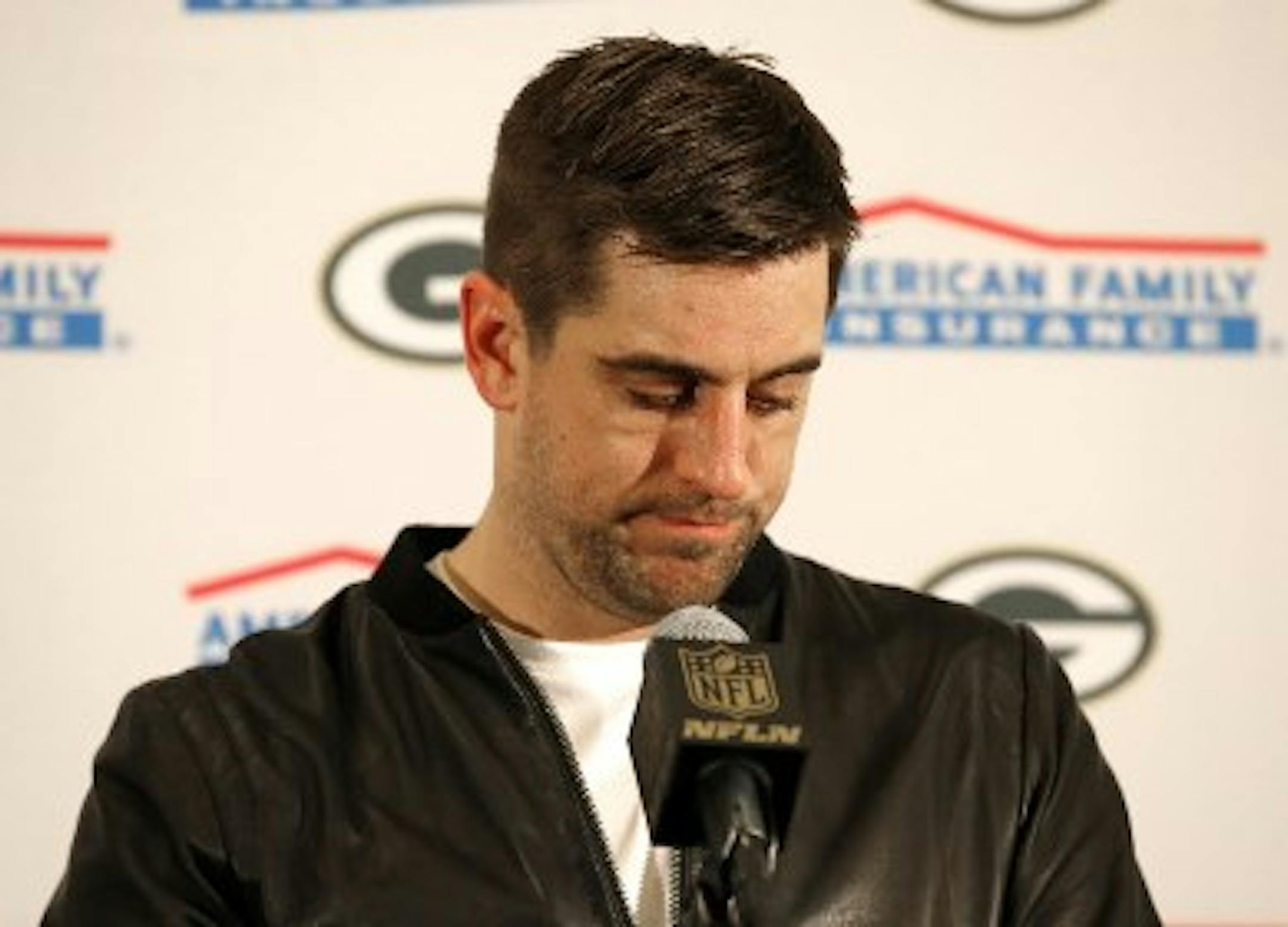
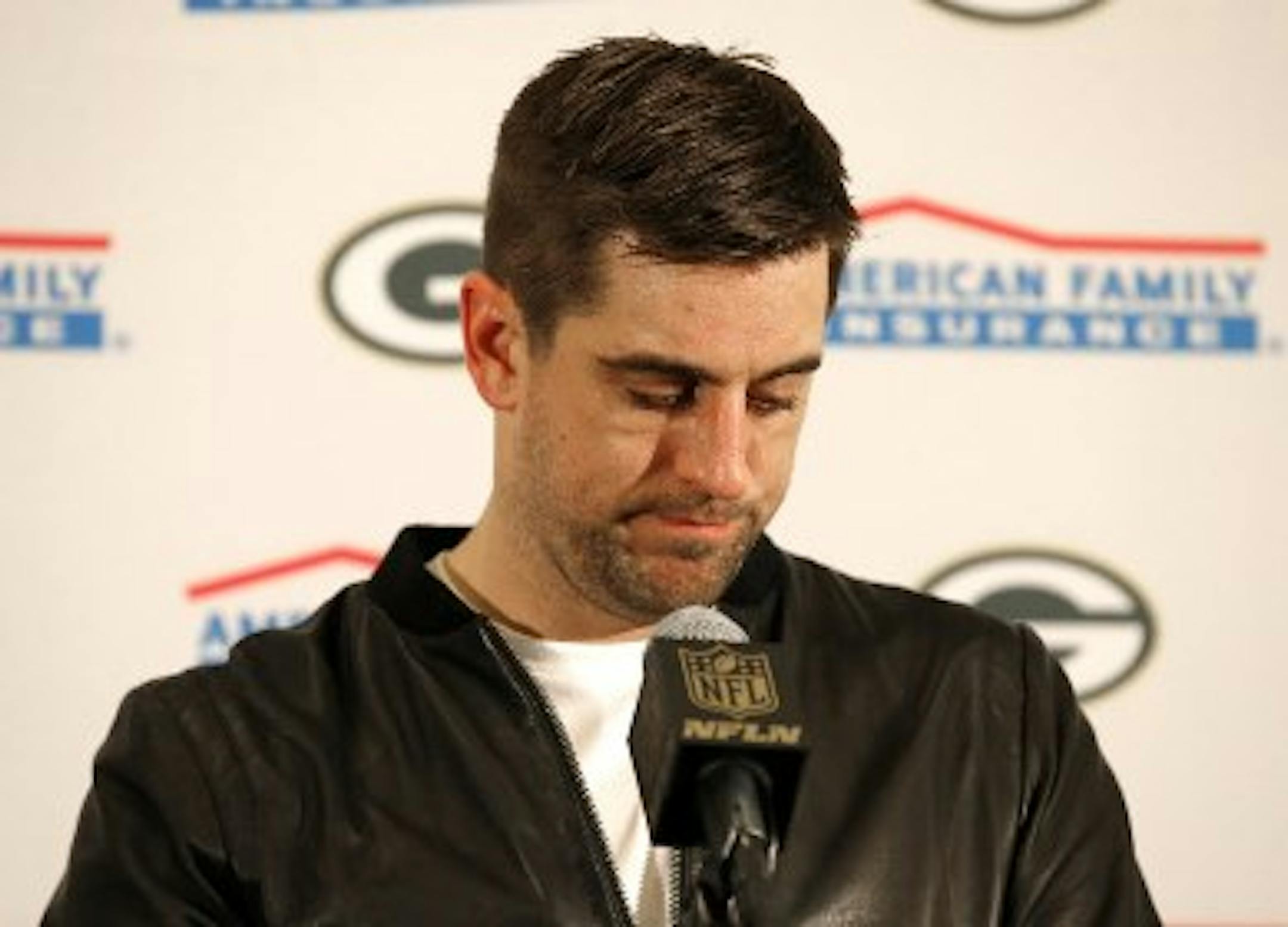
To a lesser degree, that lament is starting to creep across the border into Wisconsin, with multiple pieces this week raising this question: Have the Packers adequately taken advantage of Aaron Rodgers' prime? On the surface, it seems as though they have. Green Bay won a Super Bowl with Rodgers following the 2010 season and has been in contention many other years.
That said, this is a QB league and Rodgers is one of the best to play the game. In my estimation — just an opinion, and perhaps one influenced by seeing him play more than other QBs — he is the best quarterback of this generation. Yes, better than Tom Brady, Peyton Manning and Rodgers' predecessor in Green Bay, Favre.
The Packers' excruciating playoff defeats — five of their seven playoff losses under head coach Mike McCarthy have been decided on the game's final play, including this past weekend's OT loss to Arizona — lend credence to the idea that they were very close in many seasons to going deeper than they did. And that has given rise to the notion that, for as great as Rodgers is and has been, he's been able to cover for roster holes in the regular season that become exposed against better teams in the playoffs.
Writes Kevin Seifert of ESPN.com: The Packers have made the playoffs for seven consecutive years, but it has now been five years since they appeared in or won the Super Bowl. And suddenly, it seems, the clock is ticking. Rodgers turned 32 last month and will begin his 12th NFL season in September. If championships are the way to measure greatness, then the Packers have failed to fully redeem the gift of a two-time MVP who will go down as one of the best ever. The window is not shut, of course. … But it's fair to ask if the Packers simply have been unlucky during Rodgers' career, or if he is caught in a systemic shortcoming that will limit his impact on history.
Seifert takes a good statistical look at what happened to the Packers and their passing game this season while also noting that Green Bay has had different deficiencies in different seasons that led to their ultimate demise. One common thread? Ted Thompson's reliance on the draft to build Green Bay's roster, a position that has yielded positive results but also has left some wondering if the Packers' decision-maker needs to be more flexible in adding even medium-tier free agents to supplement areas of need.
Tom Oates of the Wisconsin State Journal notes that there is blame to go around but argues that Thompson should take a share of it:
As hard as the loss was to take, the Packers played a solid, gritty game against the Cardinals. They simply weren't talented enough to beat a good team. When push came to shove, their personnel shortcomings showed up, just like they do every year. For that reason, it's time to wonder if Thompson's strict adherence to his draft-and-develop philosophy is too confining for the Packers' good. The approach is sound and the Packers are in contention every year, but Thompson's lack of flexibility in using secondary sources to find players always leaves the team vulnerable at one or two positions, shortages that often end up undermining their season.


