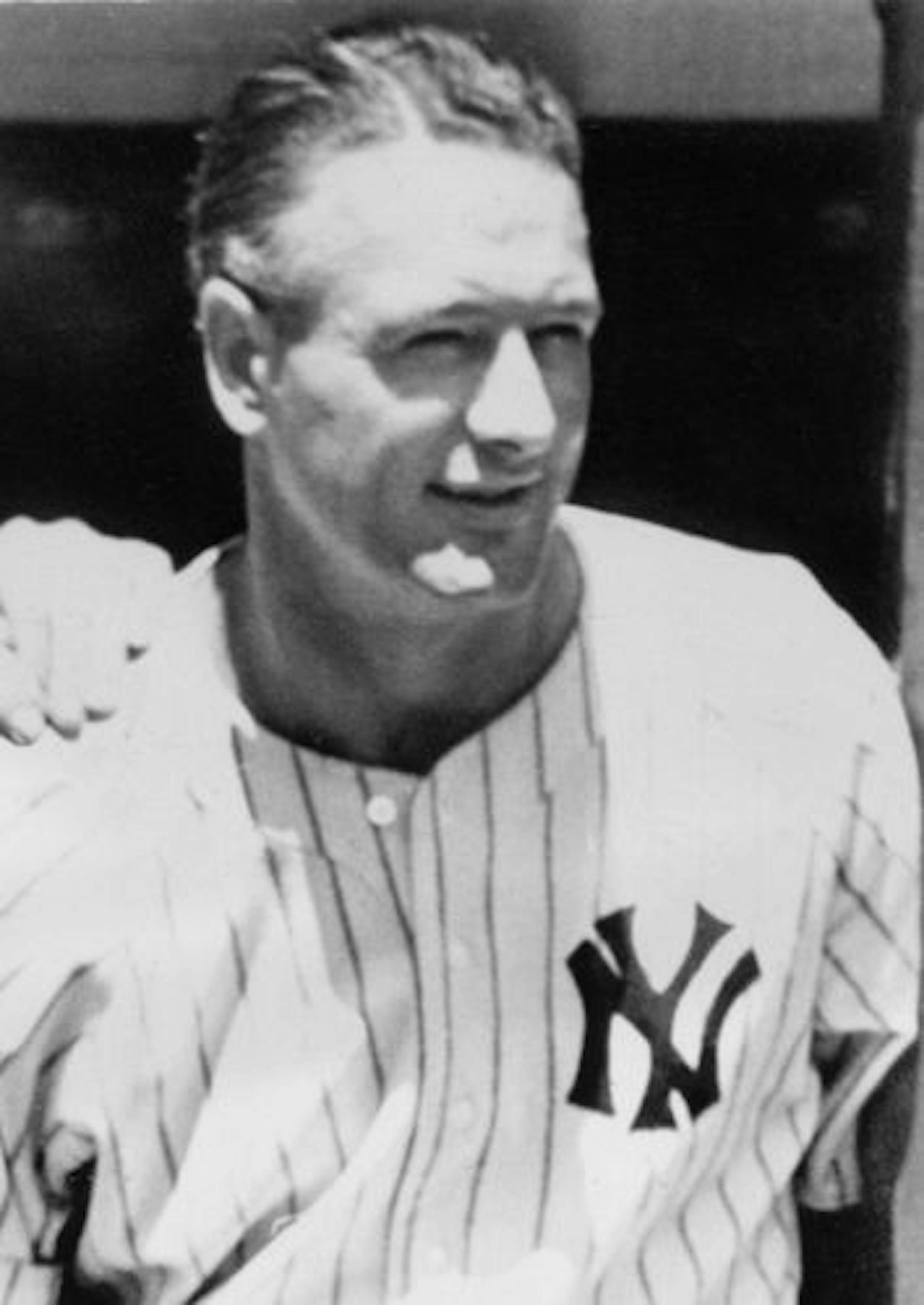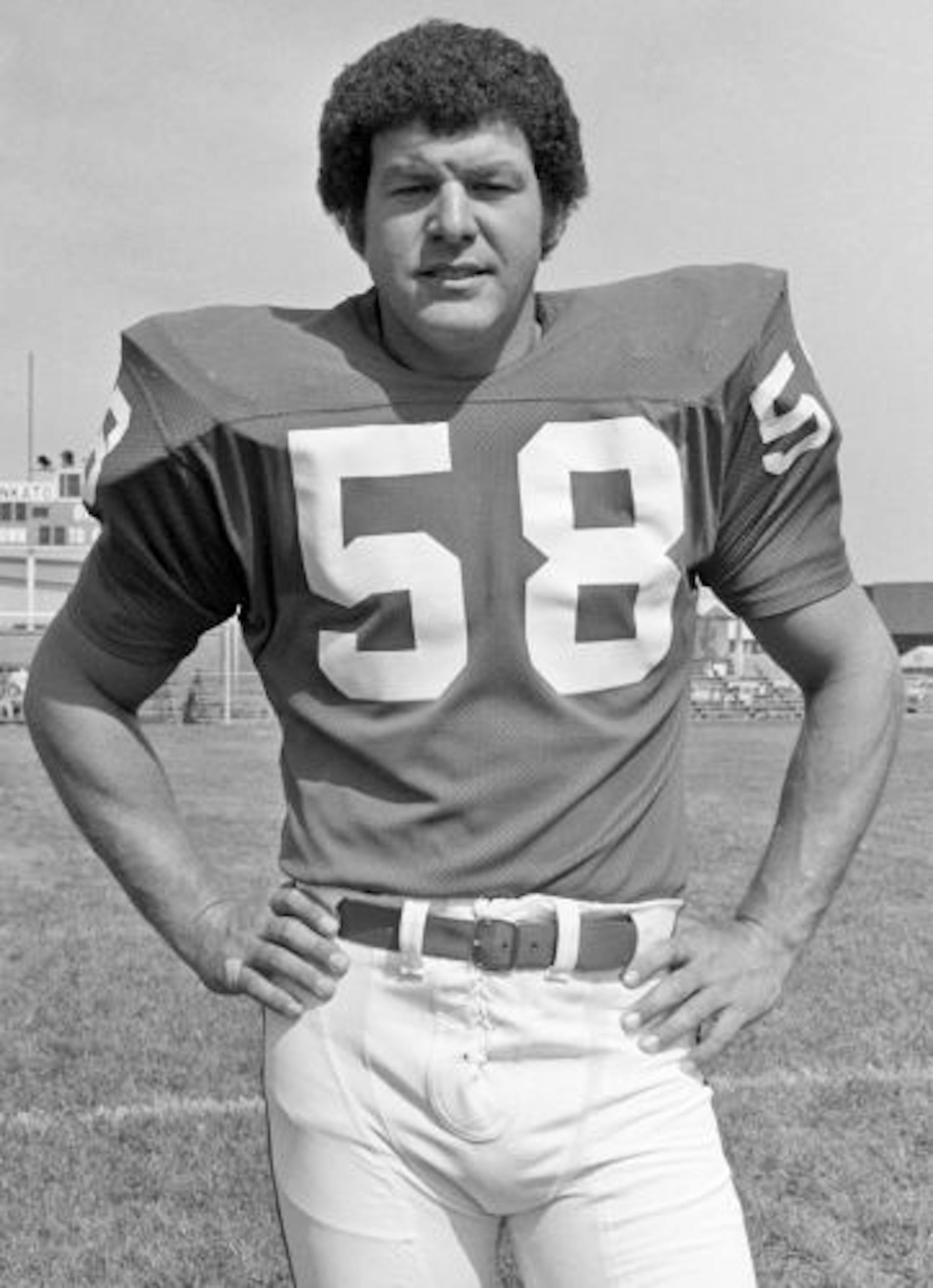
Question of the day: Did Lou Gehrig really have Lou Gehrig's disease?
Or did the Mayo Clinic make a historic mistake when it made the diagnosis 71 years ago, forever linking the world-famous New York Yankee with an obscure neurological illness?
A new medical study has suddenly cast into doubt whether Gehrig, who died in 1941, ever had the degenerative disease that bears his name -- officially known as amyotrophic lateral sclerosis (ALS).
Researchers at Boston University have found that head injuries -- which Gehrig suffered repeatedly during his baseball career -- can damage the central nervous system in a way that mimics the disease.
And while they didn't study Gehrig himself, the researchers acknowledged that their findings could rewrite the history books about the man who famously stood at Yankee Stadium in 1939, his career cut short by illness, calling himself "the luckiest man on the face of the earth."
"Here he is, the face of his disease, and he may have had a different disease as a result of his athletic experience," said Dr. Ann McKee, director of neuropathology at the New England Veterans Administration Medical Centers, and the lead author on the study published Wednesday.
The Mayo Clinic, however, is remaining mum about Gehrig's condition: patient confidentiality still rules, even for legends. Still, it says there's good reason to worry about the risk of head injuries among athletes, whether or not they played a role in Gehrig's death.
Today, head injuries are taken much more seriously than in Gehrig's day, when baseball players didn't even wear batting helmets. Twins first baseman Justin Morneau has been on the disabled list since July 7, and Pierre-Marc Bouchard of the Wild has been sidelined for a year, both following concussions during games.