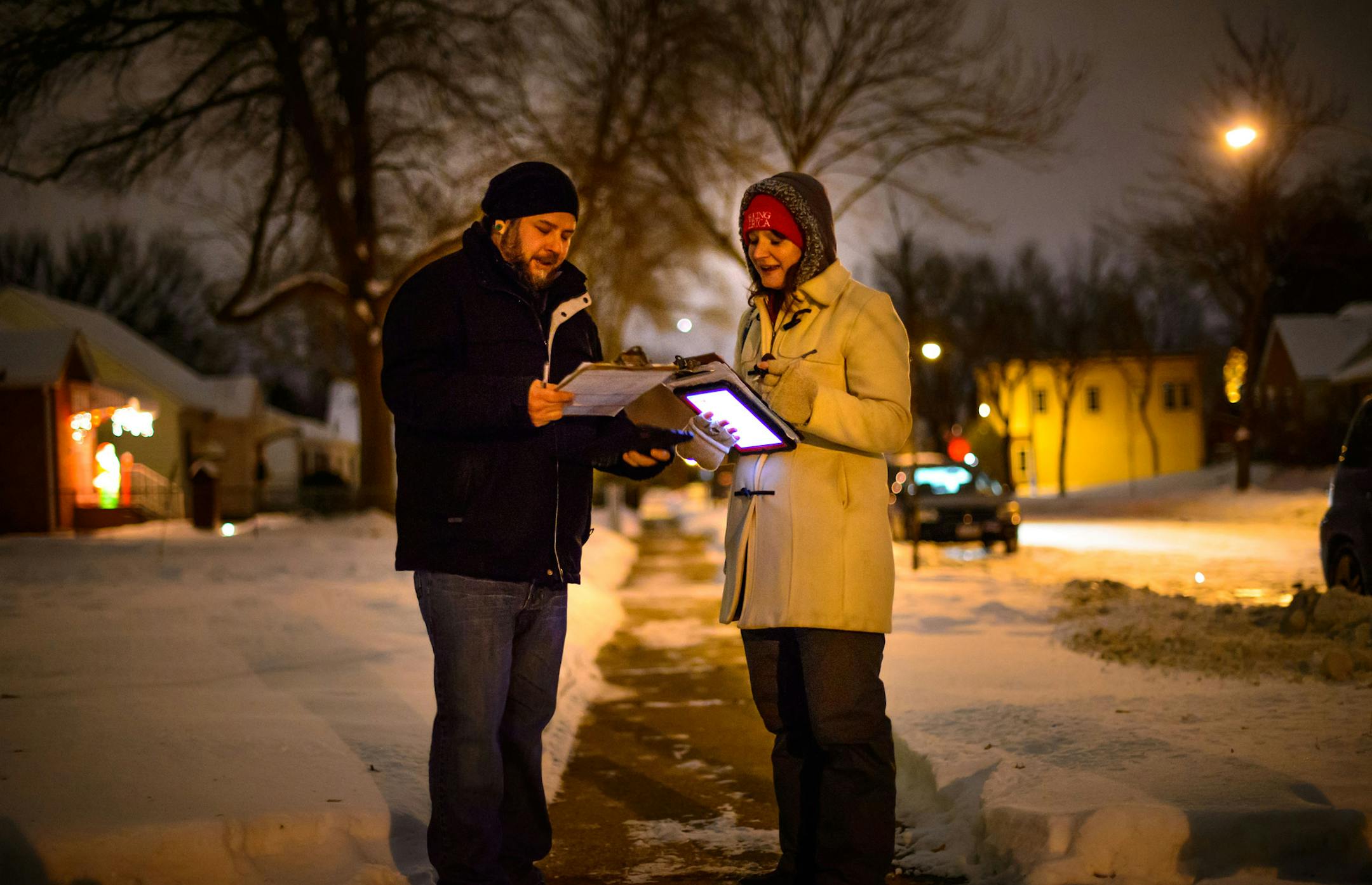
A push to raise wages for the lowest-paid workers is gaining momentum across the country, with more than a dozen states raising their minimums and President Obama calling for an increase in the federal minimum to $9 an hour.
But in Minnesota, where Democrats control every lever of state government, the push has become a struggle that may yet stall.
Minnesota has one of the lowest state minimum wages in the country. Most employers must pay the higher federal minimum of $7.25, but certain employers are able to take advantage of the state minimum, paying their workers as little as $6.15 an hour.
A move by some lawmakers in 2013 to increase the minimum fizzled at the last minute, despite support from DFL Gov. Mark Dayton. When legislators return to St. Paul next month for the 2014 legislative session, House DFLers will seek a minimum wage of $9.50 an hour. That would give Minnesota one of the highest minimums in the country.
Dayton calls the wage hike one of his top priorities for the year, and has said the state's current minimum wage is "ridiculously low."
That would seem to make a wage increase all but certain, but the proposal is getting a cool reception in the DFL-controlled Senate, where last year's deal ran aground.
"We could run a minimum wage bill out the first day and just slam it home. But it might create a disaster for the rest of the session," said Senate Majority Leader Tom Bakk, DFL-Cook. Pass the bill the wrong way, he said, and businesses could suffer, youth unemployment could skyrocket and jobs could be at risk.
"I think there is a very legitimate conversation [on minimum wage] that I don't think has been fleshed out," said Bakk, a former union official and labor negotiator.