With embrace of Native culture, St. Paul student finds his voice in state politics

Dexter Paasch of Harding High took advocacy to the State Capitol and will return next year as a student leader.

The Minnesota Star Tribune
December 28, 2025 at 12:00PM
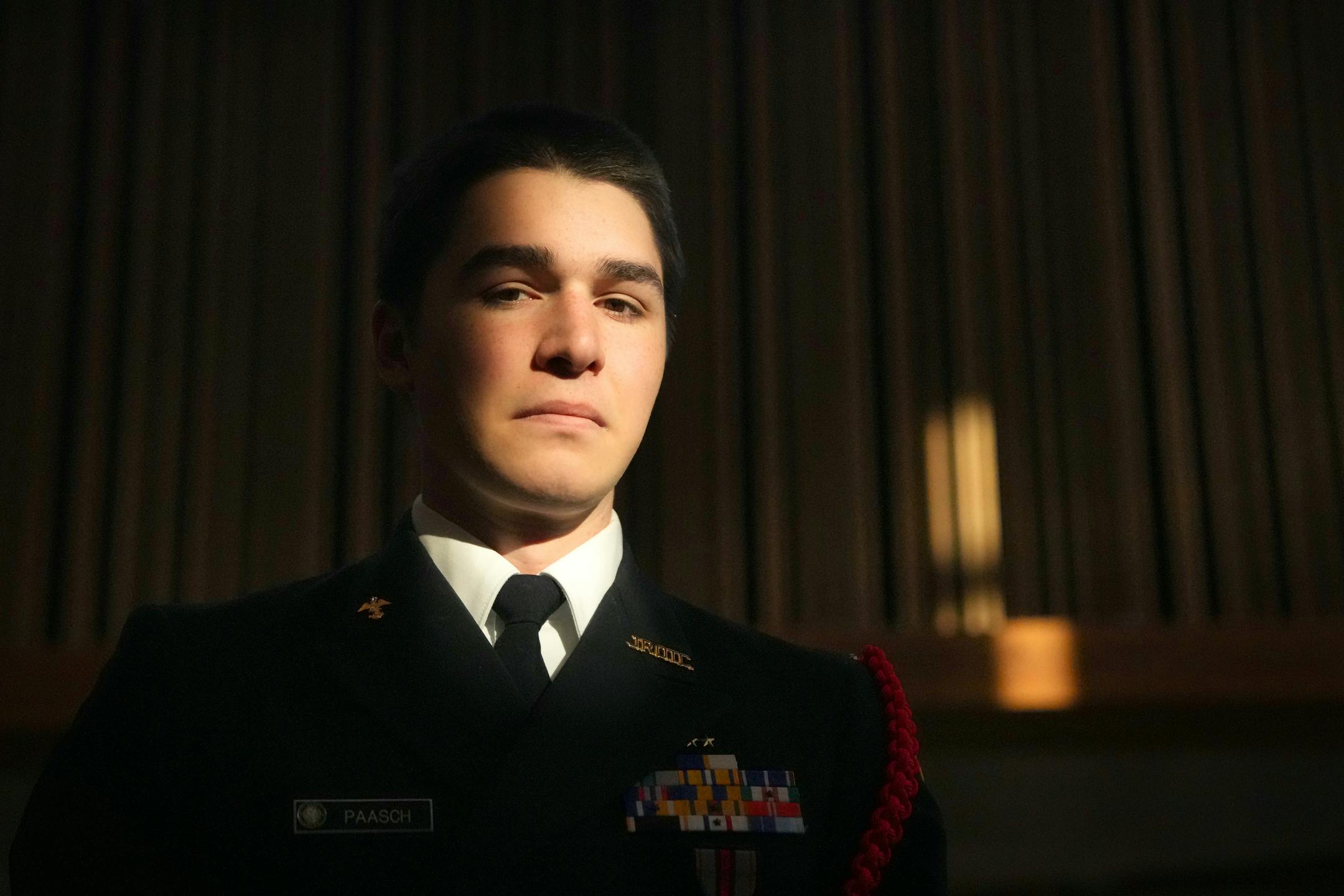
Dexter Paasch, a senior at Harding High School and a Ho-Chunk tribal member, stands for a portrait before participating in a color guard ceremony with his fellow NJROTC Cadets for a powwow at the American Indian Magnet School in St. Paul. (Anthony Souffle/The Minnesota Star Tribune)

Dexter Paasch tans deer hides for use as tobacco pouches, drums and traditional tribal regalia in the backyard of his family’s home in St. Paul’s North End.

The 17-year-old also recently led the color guard at a pow wow just before winter break at the American Indian Magnet School on the city’s East Side.

Paasch, a Ho-Chunk tribal member, has made a point of immersing himself in culture and tradition. But it is in the political arena — most notably the State Capitol — where he has demonstrated the meaning of the Ho-Chunk name: “People of the Big Voice.”

His voice joins a chorus of young people who converge on the Capitol each year during the legislative session to lend lived experience to policy discussions that affect them and their communities.

Paasch testified earlier this year in support of a bill requiring students to be taught about the dangers of fentanyl and other substances — a proposal that passed the state House, 133 to 0, on its way to becoming law.

“Terrifying,” Paasch says about the nerve-wracking endeavor — surrounded as he was by lobbyists and lawmakers — but necessary, he added, given the toll that drugs have taken on the Native community.

“He is not afraid to use his voice for a cause greater than him(self),” said Khalique Rogers, executive director of Catalyst for Systems Change, a St. Paul nonprofit that through its Changemakers program had helped young people craft the overdose legislation.

Dan Kennedy, a counselor at Harding High School, where Paasch is a senior, said he always had a quiet confidence about him, but that it is through the legislative work that Paasch has seen he truly can be an “agent of change.”
Intrigued and impressed, Kennedy says he has wondered: “What is the essence of Dexter?”

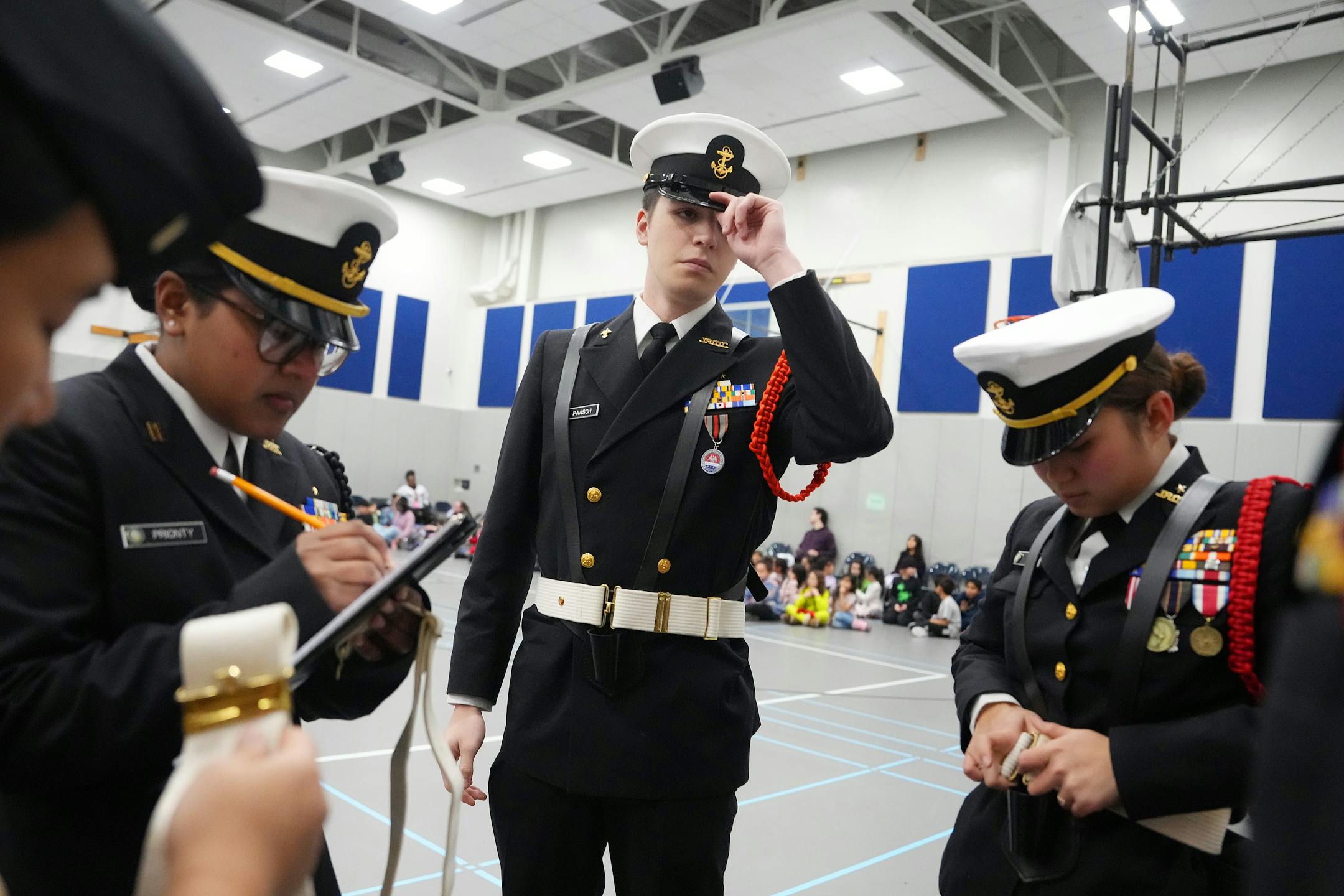
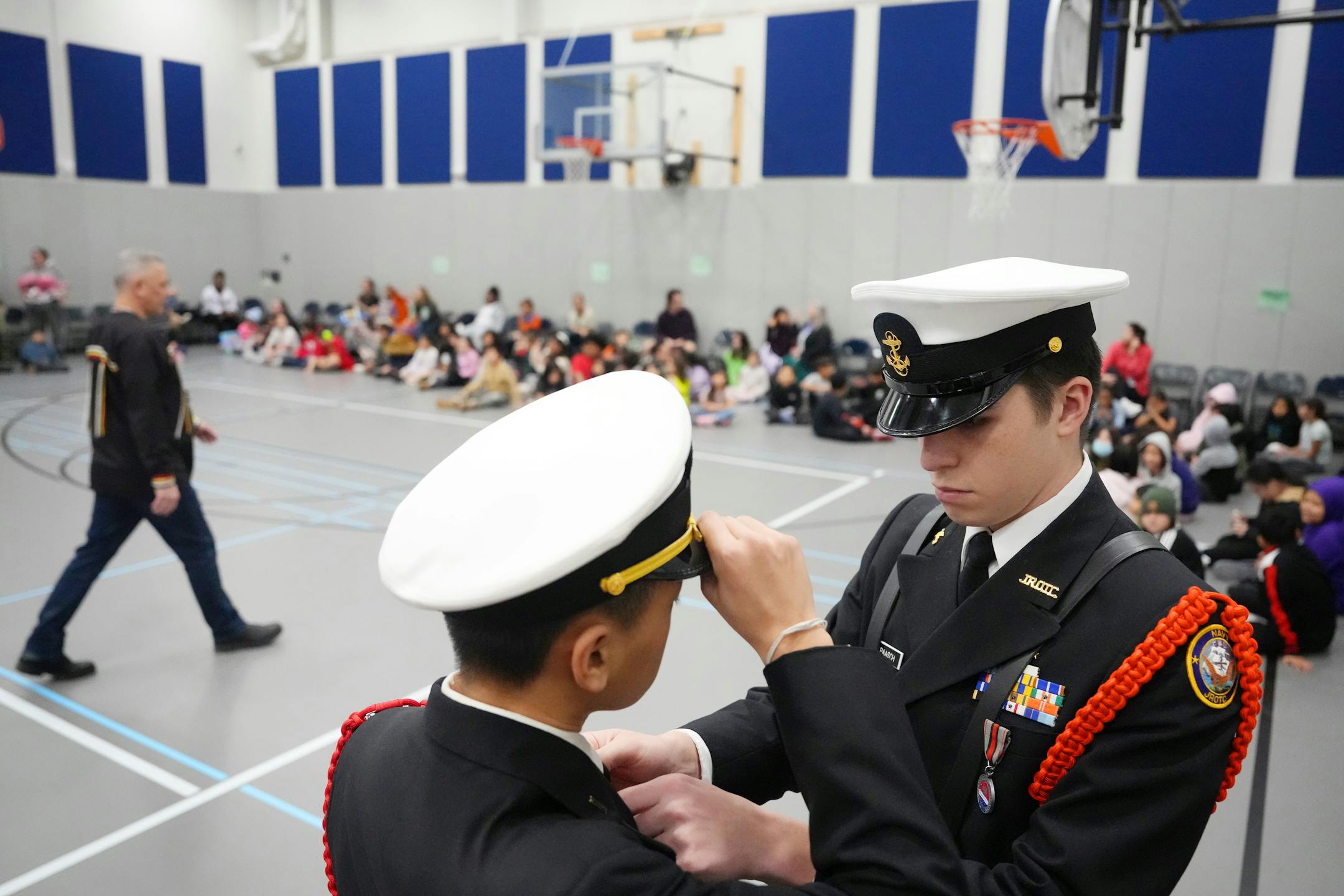
Dexter Paasch, a senior at Harding High School and a Ho-Chunk tribal member, stands with his fellow NJROTC Cadets before participating in a color guard ceremony for a pow wow at the American Indian Magnet School in St. Paul. (Anthony Souffle/The Minnesota Star Tribune)

Embracing the culture

Paasch attended Eastview High in Apple Valley during his freshman year, and while he thought it was a great school, he did not find it culturally enriching. So, he looked into Harding High, and its Navy Junior ROTC and Indigenous history and language classes, and instantly thought: “I’m going to love this place,” he said.

His mother, Carli Carrimon, is a Ho-Chunk member, but Paasch didn’t explore his culture in any depth until he was about 12 years old, he said. Then, he began accompanying family members to pow wows in Wisconsin, donating and serving hot meals to veterans in attendance.

A tribal elder, Levi Blackdeer, taught him how to tan buckskin hides. The tribe’s placed a $1,000 order for some to be used as youth artwork supplies, Paasch said. He also has gifted hides to elders, including one he spent four hours preparing on Christmas Eve.

A year ago, Kennedy referred Paasch and three other students to the Changemakers program, and during a youth policy forum in November 2024, Paasch pitched the idea of legislation requiring students to be taught about the Ho-Chunk Nation’s history in Minnesota.

The tribe is federally recognized with headquarters in Black River Falls, Wis.

Dexter Paasch, a senior at Harding High School and a Ho-Chunk tribal member, helps his fellow cadets before participating in a color guard ceremony for a pow wow at the American Indian Magnet School. (Anthony Souffle/The Minnesota Star Tribune)

Paasch was inspired by a book, “To Banish Forever” by Cathy Coats, recommended to him by his mother. It tells of a secretive society known as the Knights of the Forest that according to Coats, helped provoke the successful removal of Ho-Chunk people from a reservation south of Mankato during the 1860s.

“It was surprising, honestly, kind of disgusting, how that happened,” Paasch said, citing a “trail of tears” that began with some tribal members being forced to leave the reservation at gunpoint.

But Changemakers participants chose to make the overdose prevention bill their top priority.

Paasch threw himself into the effort, and after his testimony in March, state Sen. Mary Kunesh, DFL-New Brighton, referenced having seen him carry a flag during a then-recent memorial pow wow, and asked if he were a Junior ROTC member.

“Yes, ma’am,” he replied.

She commended him for speaking out about addiction in the Native community and added: “Education is power, education is knowledge and without this kind of education, the next generation is the one that suffers.”

Rogers points to the bill’s passage as a standout moment in the 2025 legislative session due in large part to its bipartisan nature.

Mapping out his future

Paasch dreams of attending college and law school, and then serving in the military, most likely the Marines.

“Can you blame me?” he said. “It’s a nice uniform.”

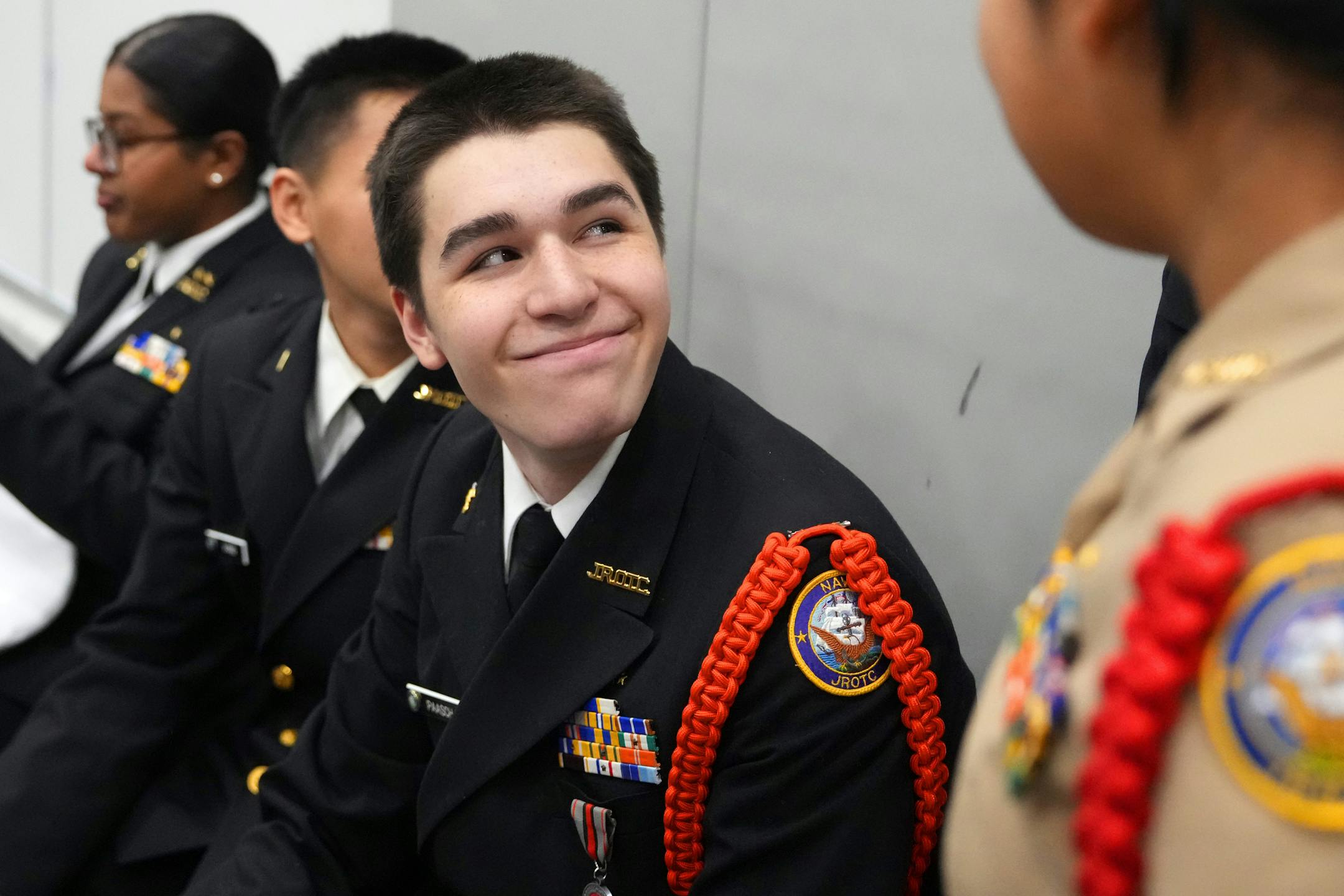
Dexter Paasch, center, a senior at Harding High School and a Ho-Chunk tribal member, sits with his fellow Junior ROTC Cadets following a color guard ceremony for a pow wow. (Anthony Souffle/The Minnesota Star Tribune)

He aims to serve 20 years as a JAG Officer (Judge Advocate General), earning retirement benefits in the process, after which he’d move to Wisconsin to help write legislative policy for the state or for the Ho-Chunk Nation, he said.

But next year, Paasch will be back at the State Capitol in a leadership role for the next cohort of Changemakers. And as a side act, he again plans to push to make Ho-Chunk history an Indigenous studies requirement.

Rogers said: “It’s still an uphill battle, but we’ll be working with Dexter to keep the momentum going.”

about the writer

about the writer

Anthony Lonetree

Reporter

Anthony Lonetree has been covering St. Paul Public Schools and general K-12 issues for the Star Tribune since 2012-13. He began work in the paper's St. Paul bureau in 1987 and was the City Hall reporter for five years before moving to various education, public safety and suburban beats.

See Moreicon

More from St. Paul

See More
card image
Anthony Souffle/The Minnesota Star Tribune

Dexter Paasch of Harding High took advocacy to the State Capitol and will return next year as a student leader.

card image