
Developers pleaded to buy his Quebec island for years. He said no, and gave it to a conservancy.

Owner rejected offers to build roads and high-rises.

The Washington Post
February 18, 2022 at 8:30PM
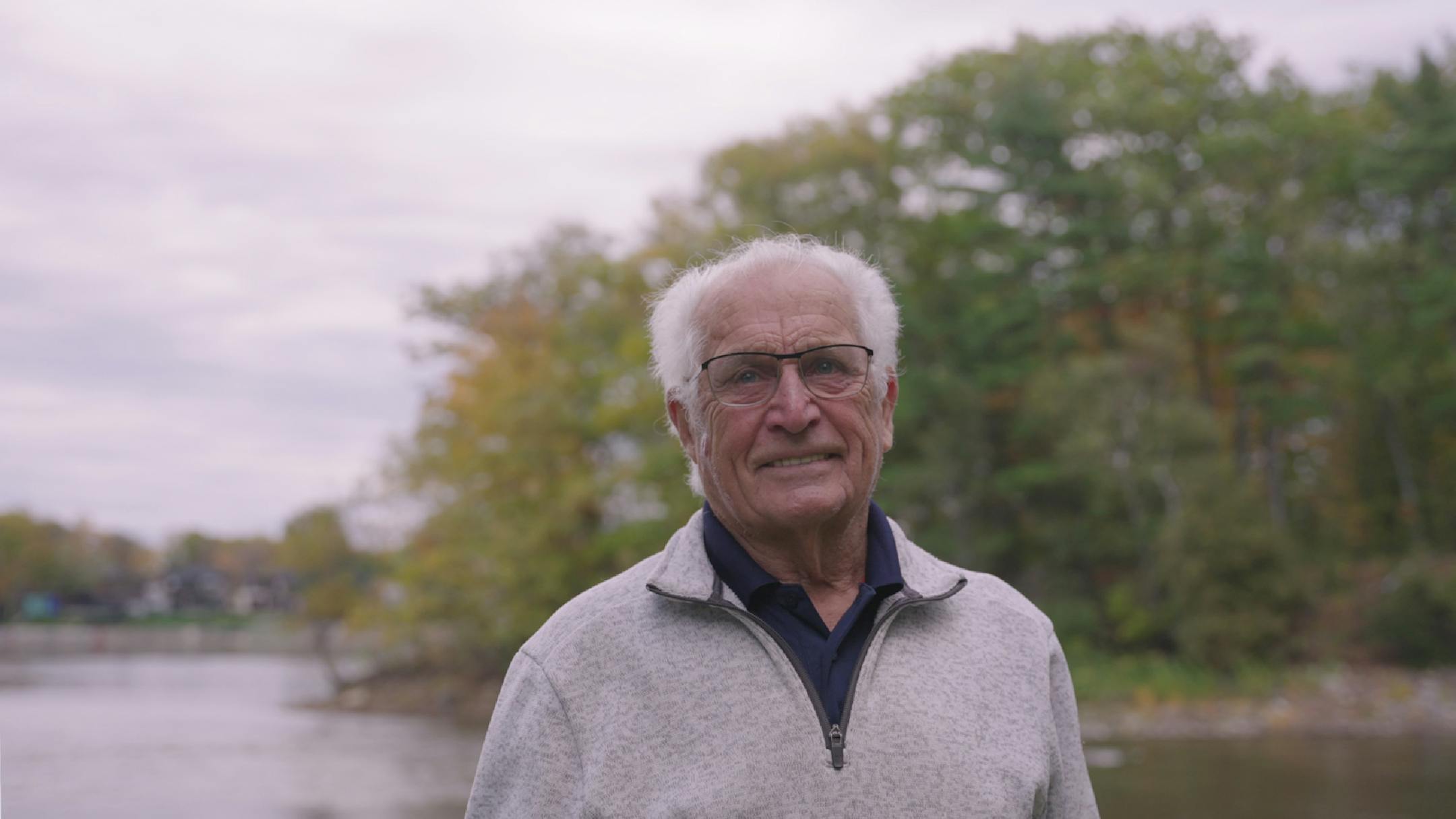
Thor Vikstr'm, 93, recently donated an island in Quebec that he has owned since the late 1960s to the Nature Conservancy of Canada. MUST CREDIT: Photo by Ralph Samson
Thor Vikstrom, 93, recently donated an island in Quebec that he has owned since the late 1960s to the Nature Conservancy of Canada. (Ralph Samson/The Minnesota Star Tribune)

Thor Vikström has gotten countless calls from developers wanting to buy his 7-acre island, which he can see from his Quebec home. He has owned the island since the 1960s and fiercely protects it as a natural habitat.

Developers pleaded with him to sell so they could build roads, high-rises and bridges on it, he said.

"You think you're going to destroy my island with that stupidity?" he recalled responding to the developers, who opened their bids decades ago at $500,000.

He purchased the island, called Île Ronde, in the late 1960s for $5,000, with one goal in mind: to protect and preserve it. He recently donated it for the very same reason to the Nature Conservancy of Canada.

It's now valued at $125,000, he said, but he believes it is worth much more than that.

"I don't want money. I want the island to be an island, and I want the life that comes and goes here to have a home," Vikström said. "No amount of money can ever buy it.

"My life is not forever," said Vikström, 93, who still works at a family-run hydraulics company he started in 1980. "The island has to be protected."

The island, surrounded by the Prairies River, is considered a rare jewel of biodiversity, particularly because it is near Montreal, one of Quebec's major cities.
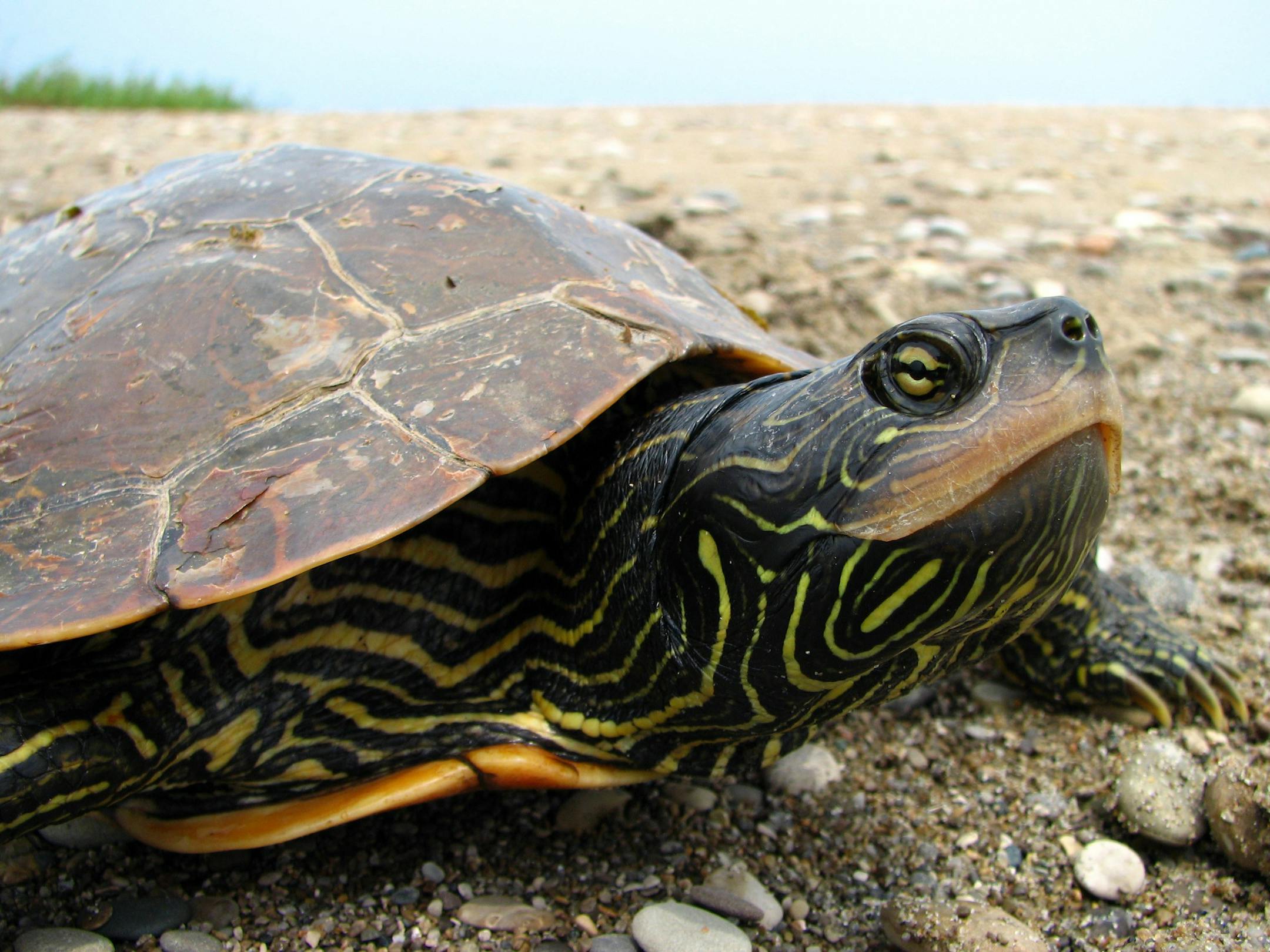
There are countless species that thrive there, including shagbark hickory, a tree that is considered threatened in the province, plus map turtles, which are also designated by the Canadian government as a "special concern."

'l Ronde island is home to many species, including map turtles, which the Canadian government has designated as a "special concern." MUST CREDIT: Photo by Ryan M. Bolton
The island is home to many species, including map turtles, which the Canadian government has designated as a “special concern.” (Ryan M. Bolton/The Minnesota Star Tribune)

From his vantage point, Vikström often sees water birds, map turtles and rare tree species, flourishing in their natural habitat. It's the same view he's had for the past five decades, and yet it still fills him with wonder.

"We have to be careful, and we have to make sure that some part of it stays protected," said Vikström, who moved from Sweden to Canada with his late wife and first son in 1962 and subsequently founded Scanada, his hydraulics company.

Not long after arriving in Quebec, Vikström built his dream riverside house. What appealed most about the property, he said, is that it overlooked an island, brimming with birds, turtles and trees. For him, being constantly surrounded by wildlife was a perfect way to live.

"I have loved nature from the day I was born," Vikström said. Owning an untouched island "was my dream."

Although it took several years to persuade the previous owner of Île Ronde to sell it to him, once the island was in his possession, "you can't imagine how happy I was," Vikström said. "I don't know how to express it."

His primary motive to buy the island was to safeguard it. And he also had the opportunity to enjoy it each day.

His family regularly visited the natural oasis and invited friends to spend time there, too. In the summer months, it was an ideal camping spot, and in the winter, snow-coated branches made for a picturesque view.

"It was actually the best thing in the world to grow up there," said Vikström's eldest son, Hans Vikström.

He recalls waking up early in the morning to see the sun rise on the island, hot chocolate in hand, sitting next to his father, who sipped his coffee as he admired the animals.

"We'd just watch the ducks," said Hans Vikström, 63. "It's a natural aquarium."

While the Vikström family enjoyed the island as a backyard haven, there were strict rules in place, such as no fires or littering, to ensure that the natural habitat was not disrupted.

Several species of waterfowl, including Canada goose, wood duck, gadwall and American wigeon, flock to the island, and fish including burbot, northern pike and largemouth bass frequent its waters. The conservation of the island's shorelines and the maintenance of the water quality are key to the animals' survival.

Although Vikström's three children and six grandchildren all vowed to continue caring for the island and its inhabitants, the family agreed that in order to protect the natural habitat indefinitely, they needed to donate it.

The Nature Conservancy of Canada (NCC), a private nonprofit conservation organization, is elated by Vikström's donation. Although the island is no longer in the family's possession, "we are free to enjoy the island for as long as we live," Hans Vikström said.

"Every time someone makes a gift, it's for everyone," said Joël Bonin, the associate vice president of development and communications for the organization's Quebec chapter.

Île Ronde will become part of a sprawling preserved-nature park that the organization is creating with various environmental agencies. It will comprise 4,000 acres of protected forest and farmland.

"A significant portion of NCC's protected areas comes from generous donors who choose to donate ecologically valuable land," said Annie Ferland, a project manager at the organization. "It's a way to help protect our beautiful planet."

The Vikström family is hoping that the island will be renamed after them, as "vik" translates to bay and "ström" means current — which is fitting, given the island is surrounded by a current, and it also contains a bay.

Either way, Vikström is now at peace knowing his island will always stay in good hands.

"I fell in love with this island," he said. "It's a dream for me now that it's preserved, forever."

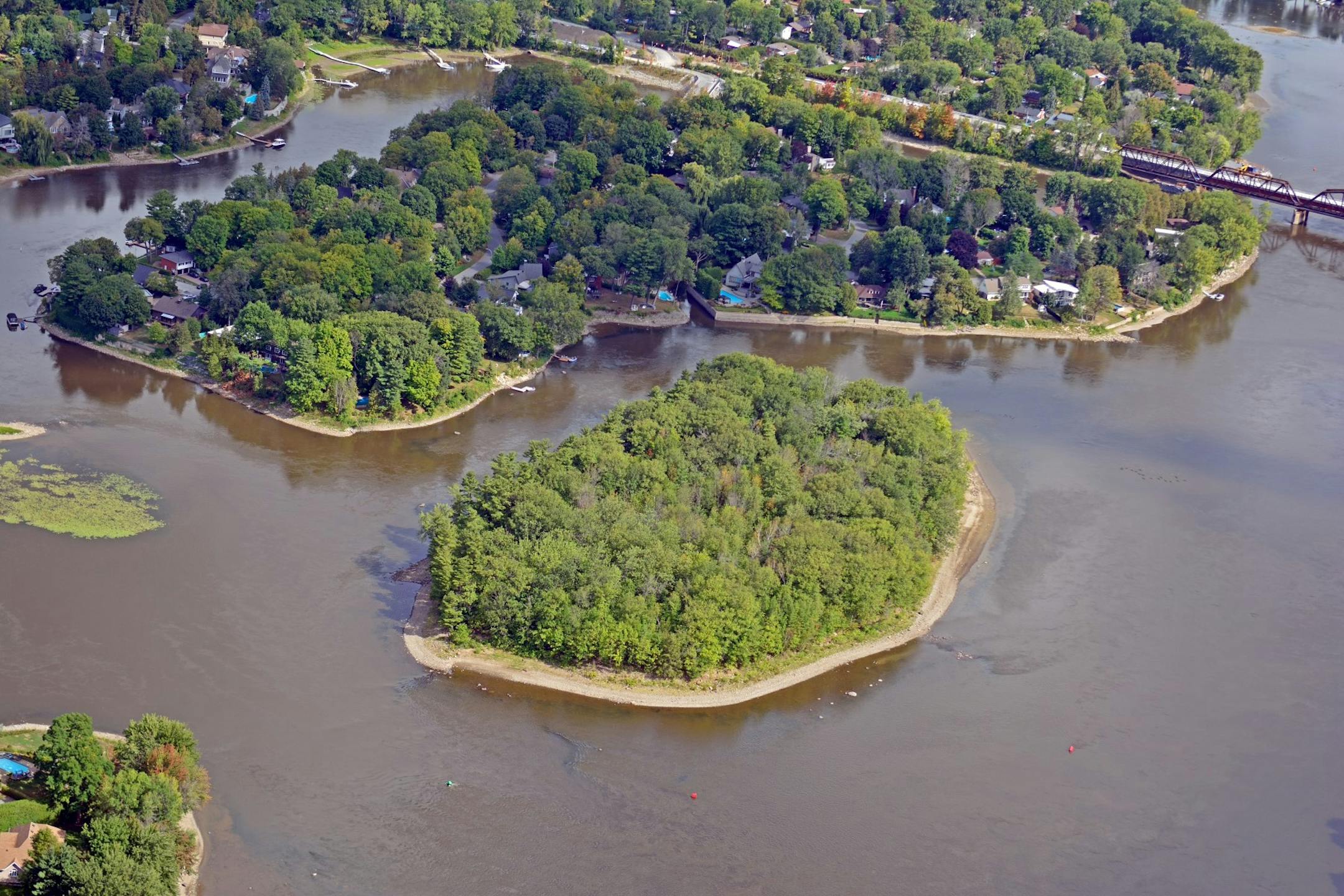
'l Ronde, the oval island at center, comprises seven acres and sits in the Prairies River, directly across from an island called 'le Verte. MUST CREDIT: Photo by Claude Ducha'ne
Ile Ronde, the oval island at center, comprises seven acres and sits in the Prairies River, directly across from an island called Ile Verte. (Claude Duchaîne/The Minnesota Star Tribune)
about the writer

about the writer

Sydney Page