

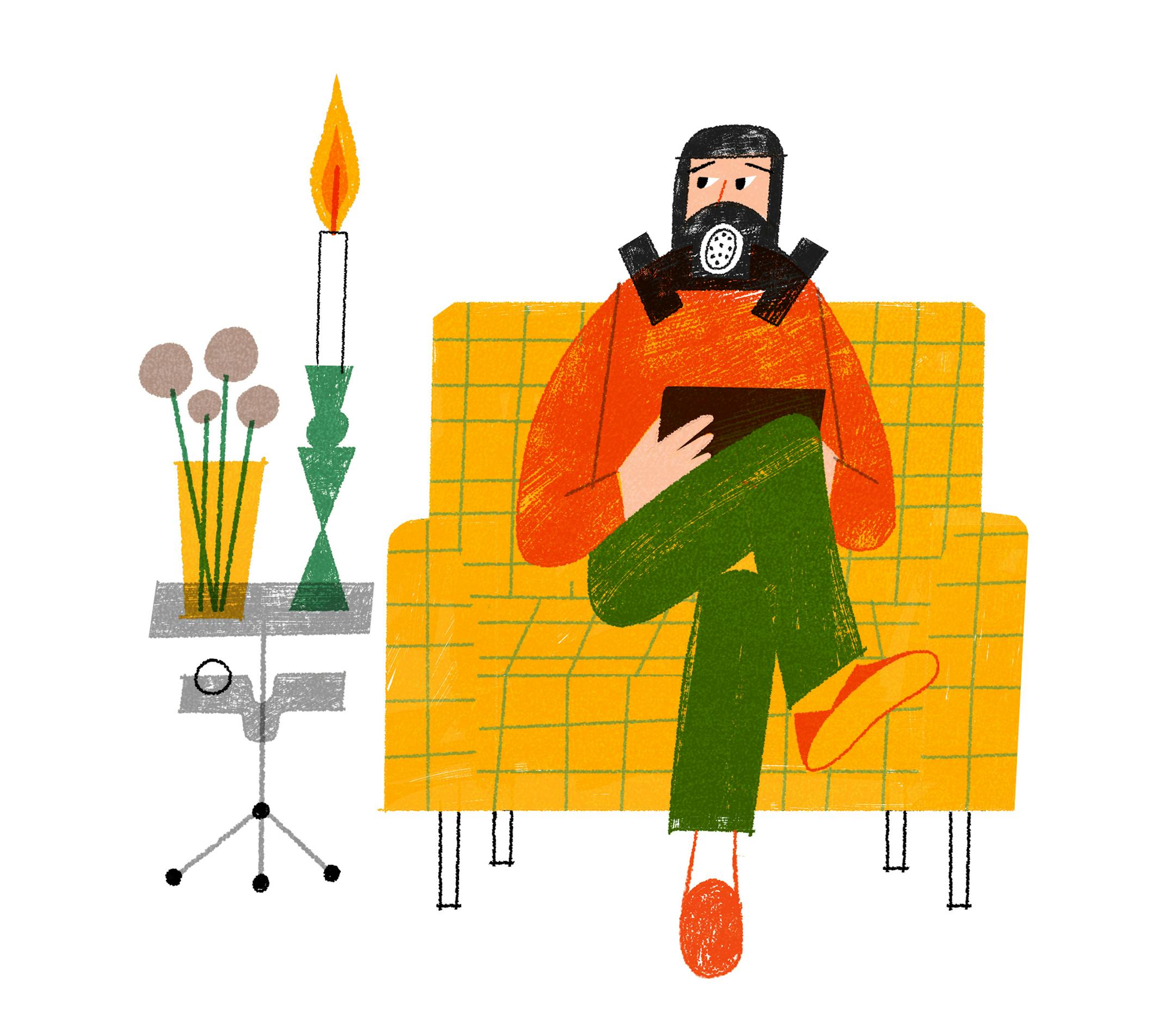
Q: I've heard some candles can create indoor air pollution and even be harmful. Are there safer alternatives?
A: Paraffin, the wax from which many candles are made, is derived from petroleum. When it burns, it emits toxic fumes. These irritate some people's eyes and can also exacerbate asthma and other respiratory conditions. Synthetic fragrances and colors can also produce irritating fumes. On top of that, some wicks contain lead (to make them firmer), which is released into the air.
Alternatives include beeswax as well as waxes made from soy, coconut, rapeseed and other oils. Some vegans do not support the use of beeswax because it is an animal product, and some feel the beekeeping industry is not cruelty-free. Soy wax is certainly more sustainable than petroleum, but its possible negatives include the use of pesticides. (Look for organic soy wax.) The other vegetable waxes mentioned are relatively clean.
Be sure to read the fine print. I was recently lured in by a candle from a well-known brand that was "formulated with vegan-friendly ingredients" only to find it also contained paraffin. So make sure you're getting 100% of whatever alternative wax you seek. Also, check to see if artificial scents or other chemicals have been added. (Choose candles scented with nothing but essential oils.) Look for wicks that are made from cotton, wood or hemp — and glass containers that can be recycled or reused.
Organic Savanna candles, poured in Kenya, are handmade from organic soy wax and locally sourced ingredients. One hundred percent of profits from the sale of the candles helps create jobs for Kenyan women and fund children's education. Les Crème candles have pure organic coconut wax and cotton wicks. Hive to Home candles incorporate locally sourced beeswax, organic coconut oil, cotton wicks and sustainable packaging. Rapeseed wax candles are harder to find, especially in the United States. But plenty of places sell the wax itself if you're a candle maker.

Q: My kitchen feels like a toxic waste dump filled with plastic bags and storage containers, plastic wrap and more. Are there better choices?
A: Indeed there are. Plastic containers have gotten a lot of negative press, especially those that contain Bisphenol A, or BPA, which has been discovered to be an endocrine disrupter linked to all kinds of potential health issues and is banned in many states. Now we are swimming in BPA-free plastics. Unfortunately, these can contain Bisphenol S (BPS), which is chemically similar.
An alternative is glass or metal storage containers with silicone lids. (Silicone isn't perfect because many communities don't recycle it, but it is primarily made from a naturally derived material, silica, and lasts much longer than plastic.) Brands include Ikea, Pyrex, and Public Goods.


