

A drug that millions of pregnant women took decades ago to prevent miscarriage and complications has put their daughters at higher risk for breast cancer and other health problems that are showing up now, a new federal study finds.
Many of these daughters, now over 40, may not even know of their risk if their mothers never realized or told them they had used the drug, a synthetic estrogen called DES.
The new study suggests that infertility is twice as common and that breast cancer risk is nearly doubled in these daughters.
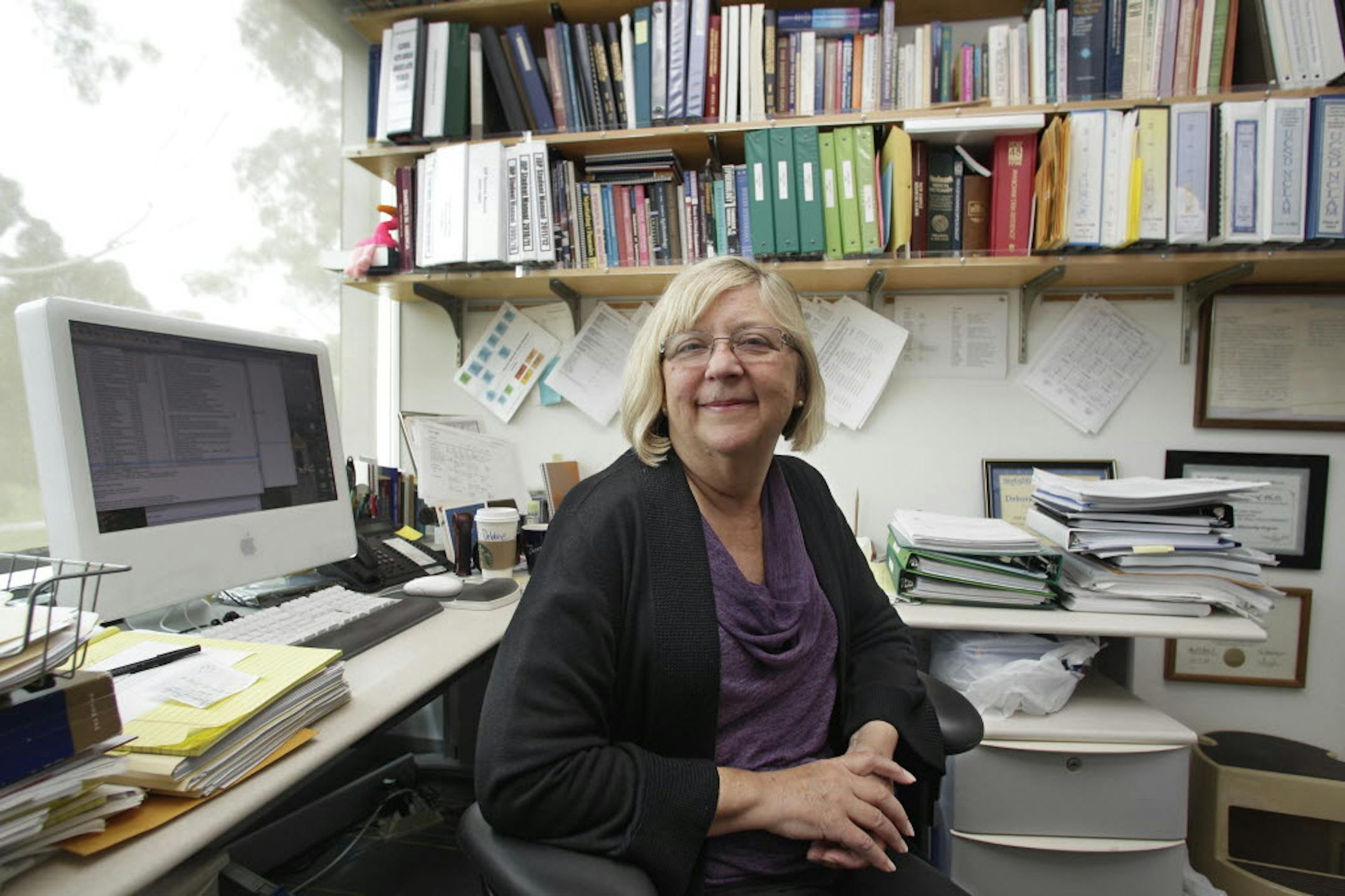
Debbie Wingard is one of them. The 59-year-old San Diego woman adopted two boys after being unable to conceive and has had breast cancer twice -- when she was 39 and 49.
"There's no knowing what's going to happen as we age. There's always the fear there's going to be another cancer or another outcome," she said. "I don't think I'll ever get to the point where I feel it's behind me."
The sons of DES users also face health risks -- testicular problems and cysts -- but these are less well studied and don't seem to be as common. Even less is known about the third generation -- "DES grandchildren." Some research suggests these girls start menstruating late and have irregular periods, possible signs of fertility issues down the road.
In the United States alone, more than 2 million women and 2 million men are thought to have been exposed to DES while in the womb and may now want to talk with their doctors about when they should be screened for health problems.
"We don't want to cause a panic of everyone rushing out thinking they're going to get cervical or breast cancer. They just need to have that conversation with their physician," said Dr. Sharmila Makhija, women's health chief at the University of Louisville.


