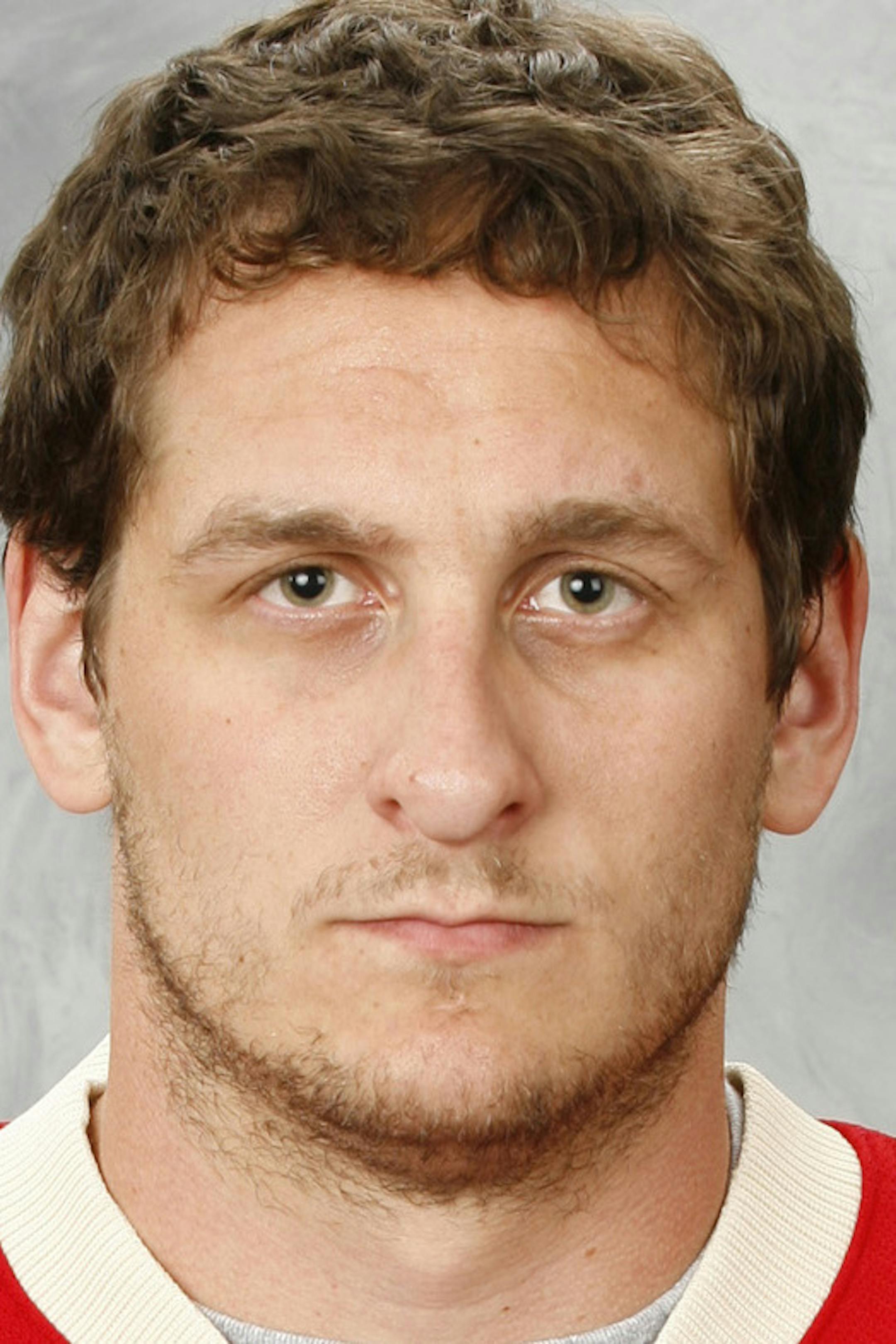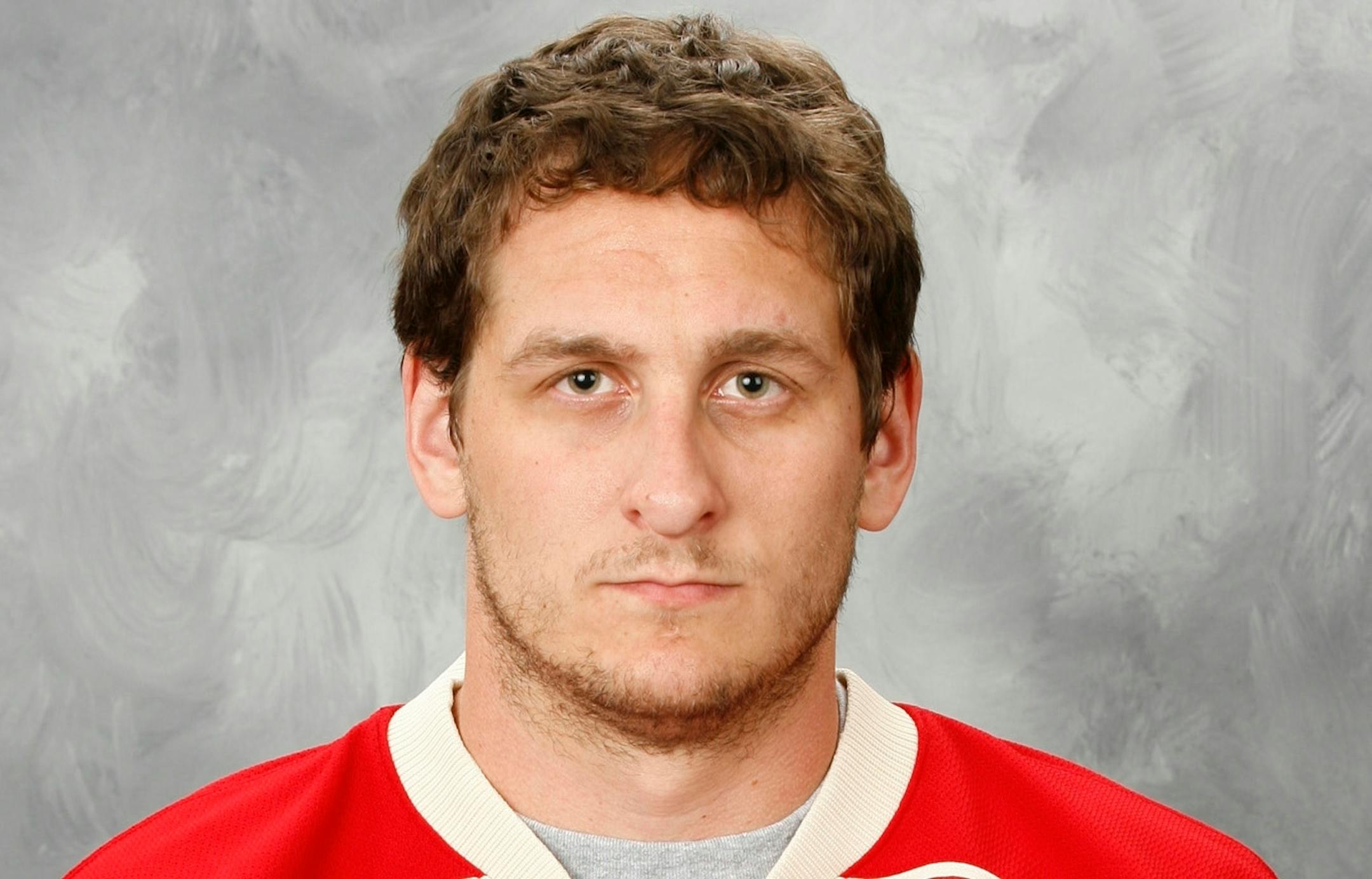
Three years before he died of a drug overdose, Derek Boogaard was punched in the mouth during a fight at a Wild game. And broke a tooth.
Within days, Boogaard, the Wild's 6-foot-7 enforcer, was bouncing from one team doctor to another seeking a steady stream of powerful painkillers. He got them — 165 pills in the first four weeks, 432 by the end of the season, according to a lawsuit filed last month by Boogaard's family.
In court, the family blames the National Hockey League for not doing enough to prevent the tragedy that led to his death, at 28, in 2011.
But the lawsuit also sheds light on a problem that the medical profession is only now struggling to face: its own role in a drug-abuse epidemic that kills 15,000 people a year.
It started innocently enough, as doctors began an aggressive push in the 1990s to help patients control pain from injuries and accidents. But it morphed into "one of the biggest public health crises that we've faced in a long time," said Dr. Patrick Courneya, medical director of the HealthPartners health plans. "And it was self-inflicted."
Today, nearly 80 percent of the world's prescription painkillers are used in the United States, said Carol Falkowski, former director of alcohol and drug abuse for the state of Minnesota. Nationally, 219 million prescriptions for those pills were written in 2011, she said — enough to medicate every man, woman and child "every four hours for a month."
As the number of prescriptions soared, so has the death toll from accidental overdoses — an estimated 125,000 Americans in the last decade.
Now, the unintended consequences have become so alarming that the Minnesota Medical Association and other medical leaders are calling for a dramatic change in practice to cut the number of pain pills that doctors routinely prescribe.