

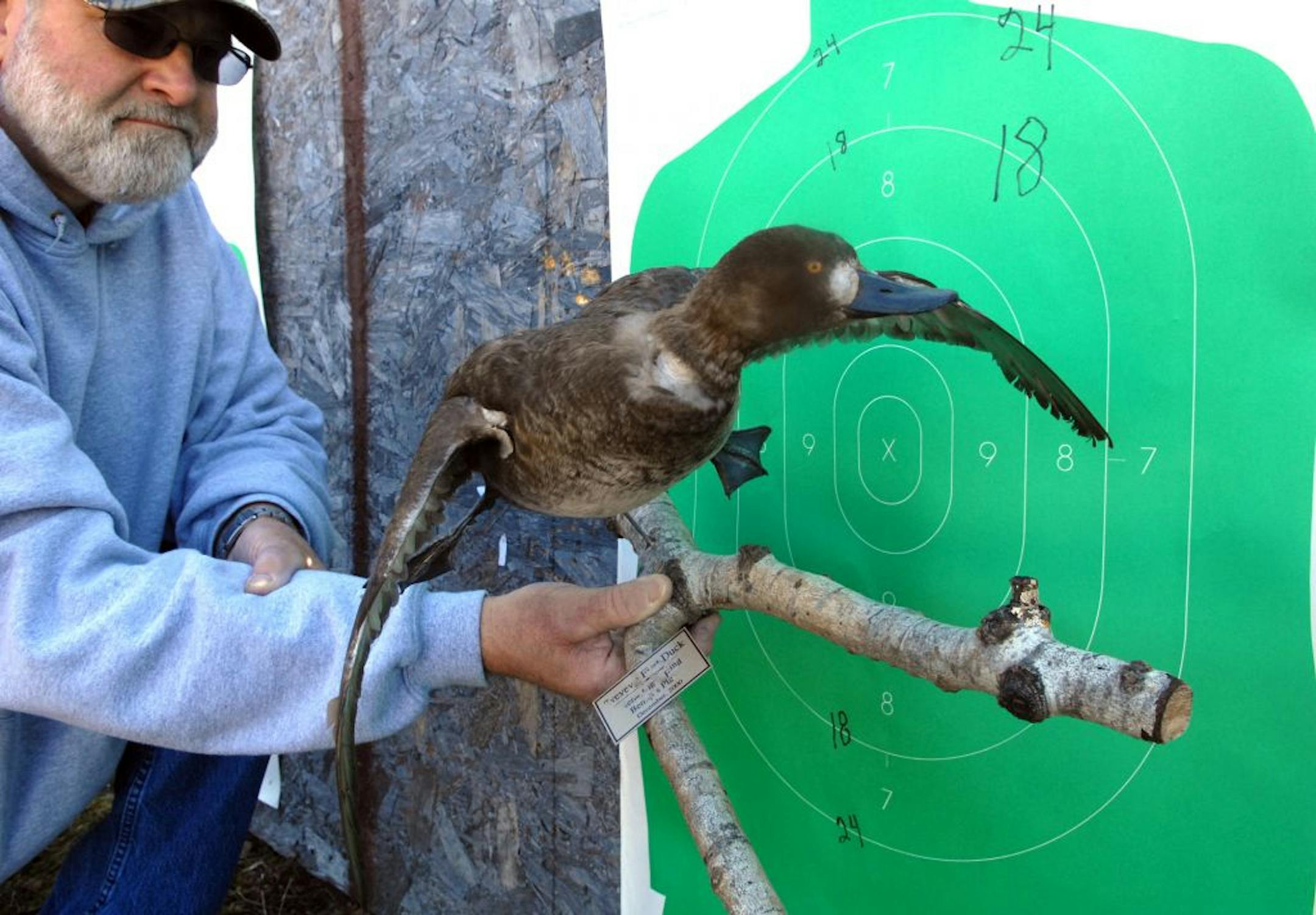
Calling ducks close enough so they present good shots can be difficult. So can killing a bird that in some cases flies more than 30 miles per hour. And recovering a downed duck with a dog often is the result of years' worth of training.
All are part of the challenge of duck hunting.
But perhaps nothing is as challenging in waterfowling, and as mysterious, as matching a hunter to a shotgun that fits him or her, and choosing the gun choke and shotshell that gives the hunter the best chance to kill ducks cleanly.
This process has become more complex since the advent in recent decades of nontoxic (primarily steel) shot. First offered for sale in the 1970s, steel or other nontoxic shot is now required for duck and goose hunting, replacing lead, whose use in waterfowling dates to the 16th century.
Lead shot, scientists have demonstrated, harms wildlife and the environment in various, serious ways.
Changes abound
But which steel shot loads work best for ducks and which chokes? That question is often on the minds of waterfowlers, especially after they miss a shot they thought they should have made.
The fact that steel and other nontoxic shotshells are continually being refined is one factor to consider. Shotshell manufacturers, like other manufacturers, are forever trying to improve their products, and changes they make, year to year, can affect performance.


