

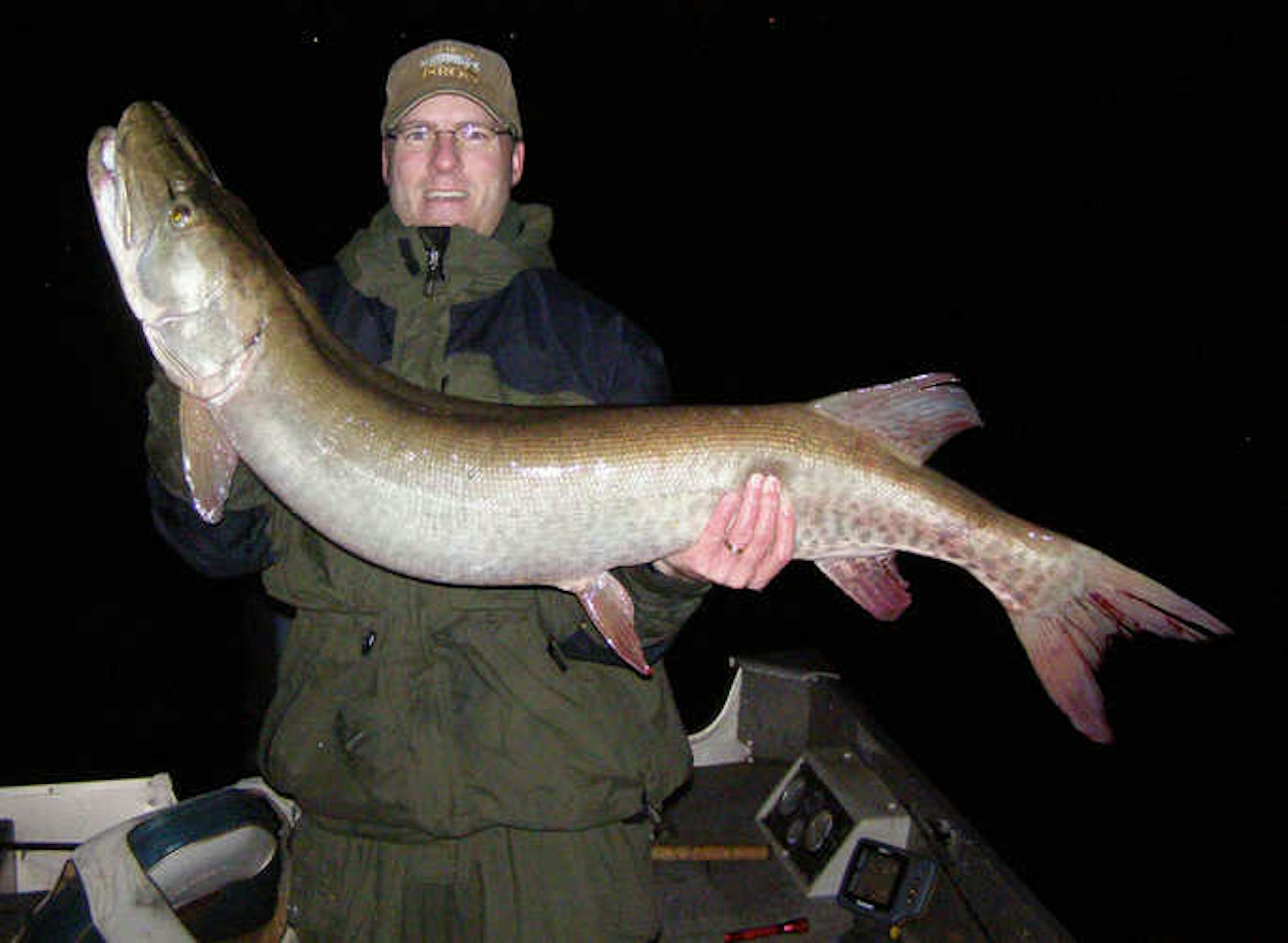
MILLE LACS - Wednesday afternoon and evening, the wind blew here variably from the south, mostly the southeast. Anglers with muskies on their minds -- there have been few so far this early season on the big lake -- could find shelter in Cove Bay, in Wahkon Bay and in the expanse of water lying just outside the Isle Harbor.
It was midafternoon when we dropped our boat in Mille Lacs at the Department of Natural Resources landing in Isle. A dozen or so other pickups and trailers were parked there, presumably those of walleye anglers. More would appear as the supper hour approached, slip-bobber specialists who would sit atop or alongside reefs until nightfall, and beyond.
A hotshot muskie lake, Mille Lacs last summer turned a cold shoulder to the state's big-fish seekers. No one knows why. DNR test nettings last year confirmed the fish still were there -- that the Mille Lacs muskie population was healthy -- but the fish, for the most part, weren't caught.
In many cases, they weren't even seen.
"It seemed that the muskie patterns changed, and they were less likely to be found in areas where they traditionally have been found," said Rick Bruesewitz, area fisheries supervisor in Aitkin.
Always slim, our chances of hooking a muskie were slimmer still Wednesday. This spring and early summer have been cool, and water temperatures in the central part of the state are only now nudging out of the 60s. Muskies like it hot, or usually do, and by evening I'd be wearing a jacket. Not a good sign.
We scatter gunned a variety of baits over and into about 8 feet of water. Top Raiders. Double Cowgirls. Bulldawgs. Our plan was to work our way through the tackle box and see what happened. A couple of hours later we were in much shallower water, flanking our boat, eventually, by broad stands of pencil reeds. Here we launched still more baits, stuff that buzzed and thumped en route back to the boat.
Five hundred casts into the outing, or thereabouts, an outsized northern pike followed a bait to the boat but failed to strike.


