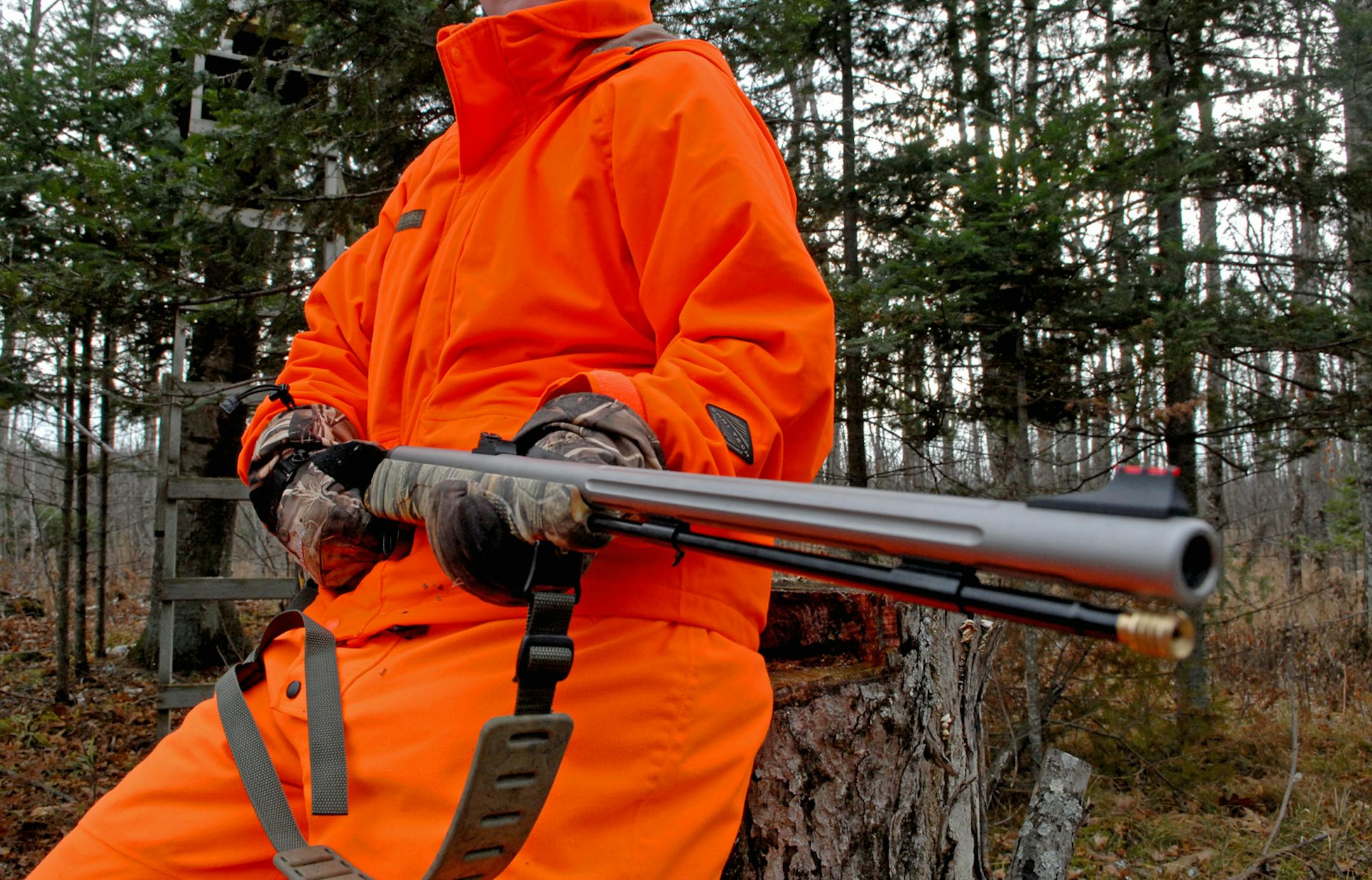
CUMBERLAND, WIS. - The doe was big, I could see that, and from my stand in a swamp north of this town, amid Saturday's early morning light, I considered briefly shouldering my muzzleloader and pulling back the hammer.
The prospect of a buck soon following behind gave me pause, and ultimately I decided against taking a shot.
Still, with each step the doe took in my direction, unaware of my presence until finally she passed just beneath me, and then behind me -- winding me, in the end, and snorting before hurrying off -- I thought again of taking a shot.
The reason: I have never felled a deer with a muzzleloader. I've only owned the gun a short while and have enjoyed practicing with it and sighting it in. But Saturday -- the opening of the Wisconsin firearms deer season -- was the first time I actually hunted with it.
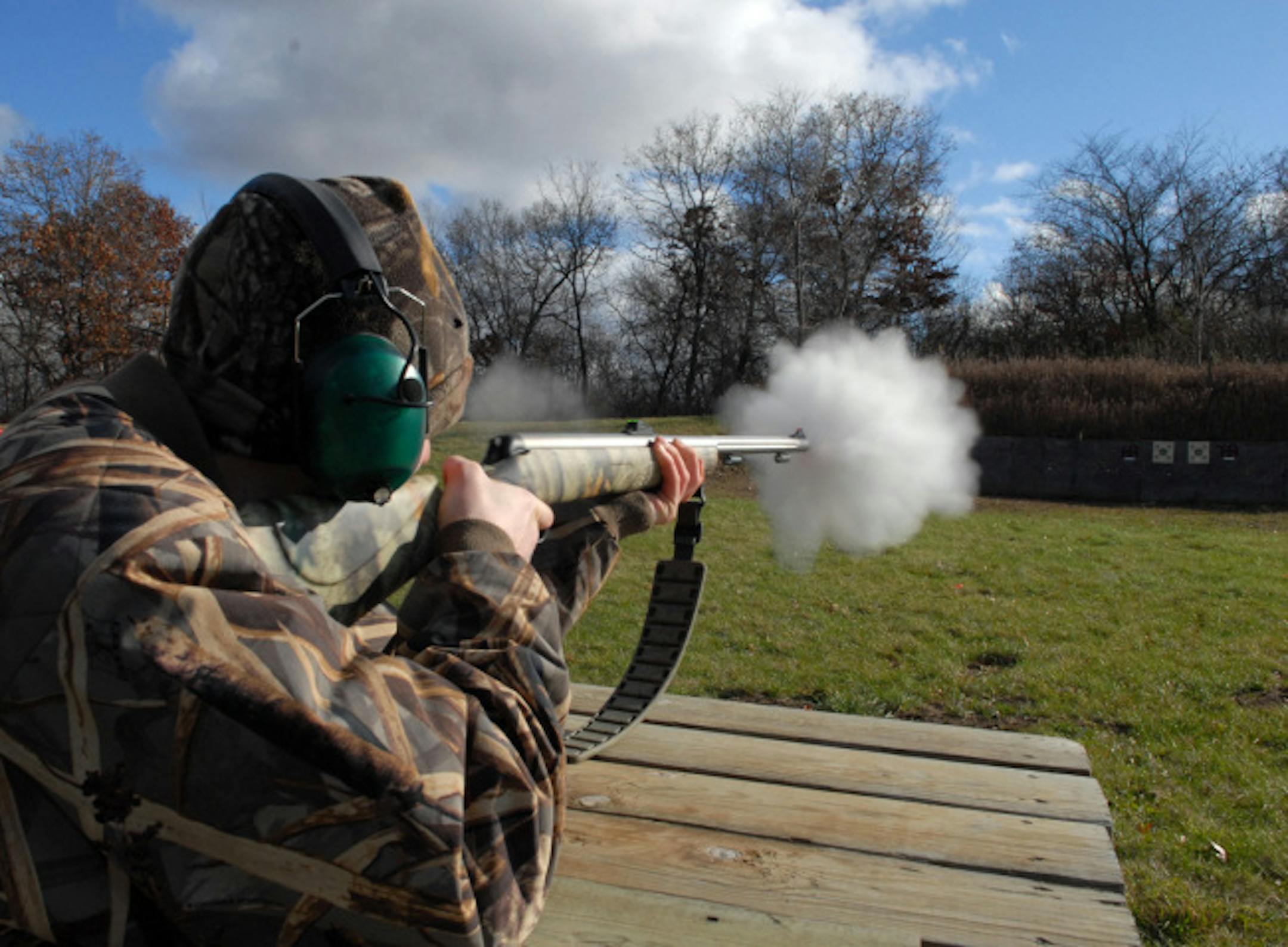
Increasingly, muzzleloaders are being seen in the deer woods. Some hunters enjoy the challenge of taking a deer with only one shot. Others like the retro nature of muzzleloaders, which represent an important part of Americana dating to the Revolutionary War.
Both describe my interest in muzzleloaders. Limiting oneself to a single shot necessarily requires careful planning, particularly in stand placement. As accurate as modern muzzleloaders are -- well in excess of 100 yards, in some cases, depending on equipment and skill of the shooter -- it's better, in my view, to use them, generally, as an archer might a bow, with the intention of getting an animal as close as possible before shooting.
Many different types of "modern" muzzleloaders are on the market, in a wide range of prices. Modern in this instance generally means "in-line" muzzleloaders, in which the ignition and the barrel are in line with one another. More traditional muzzleloaders have ignitions off to one side.
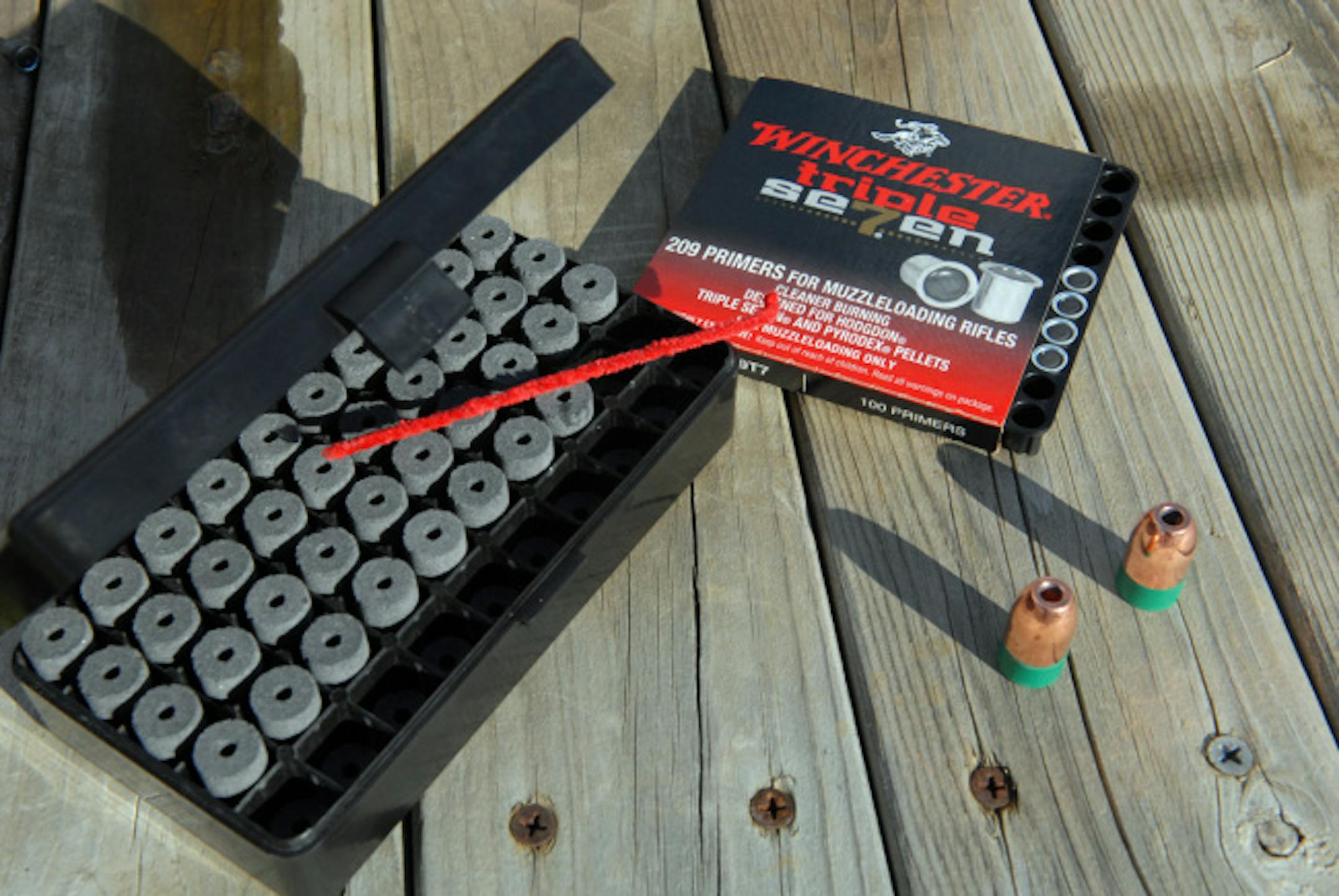
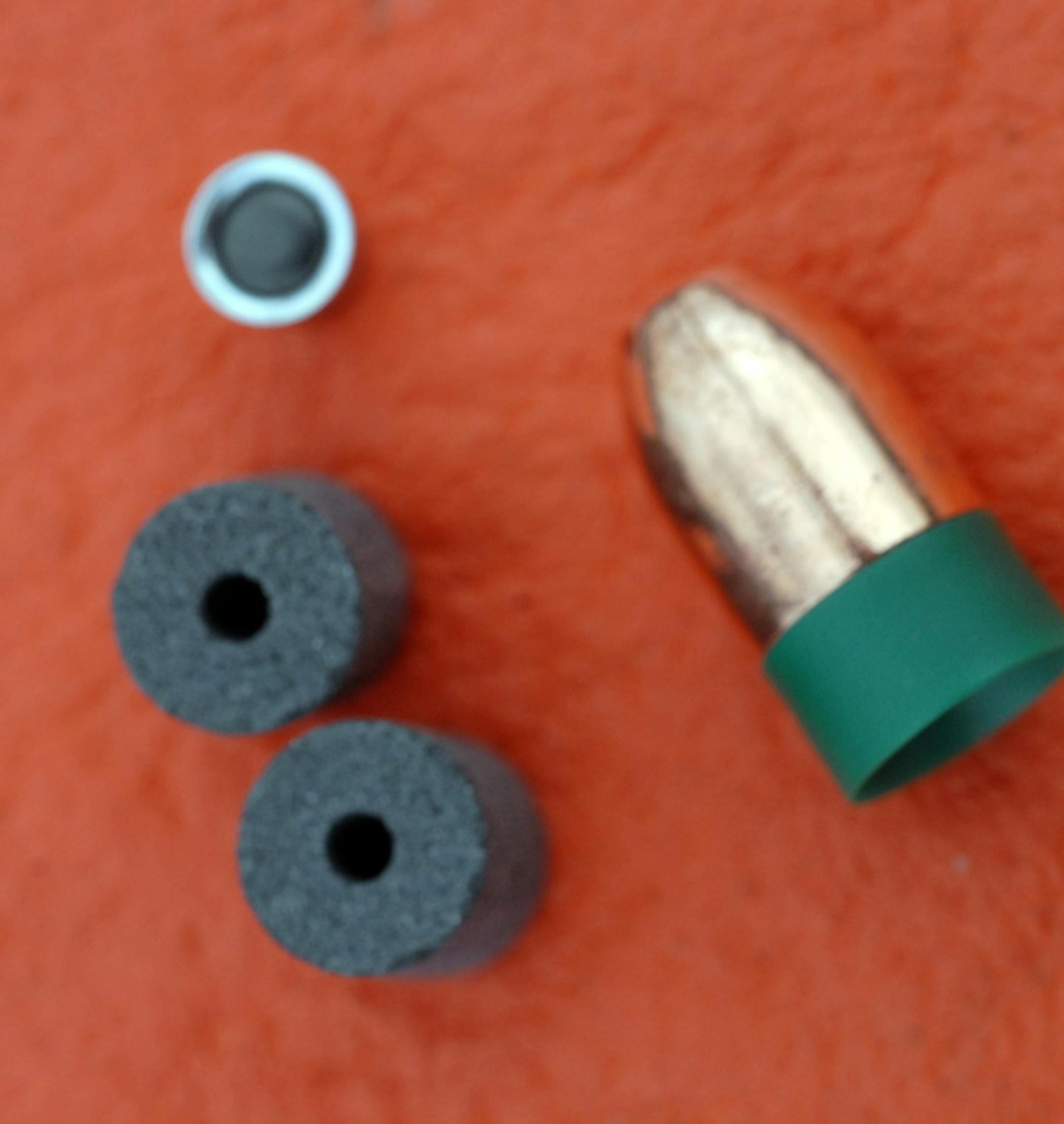
Modern also in this case generally is synonymous with highly accurate. Rifled barrels aligning sabots with undersized bullets encased in plastic, combined with positive ignition systems, usually are the reason.