Dennis Anderson: Lake Maria is a duck lake again

Carp have been banished from Lake Maria near Garvin in southwest Minnesota, and aquatic plants are flourishing.

August 30, 2009 at 2:44AM
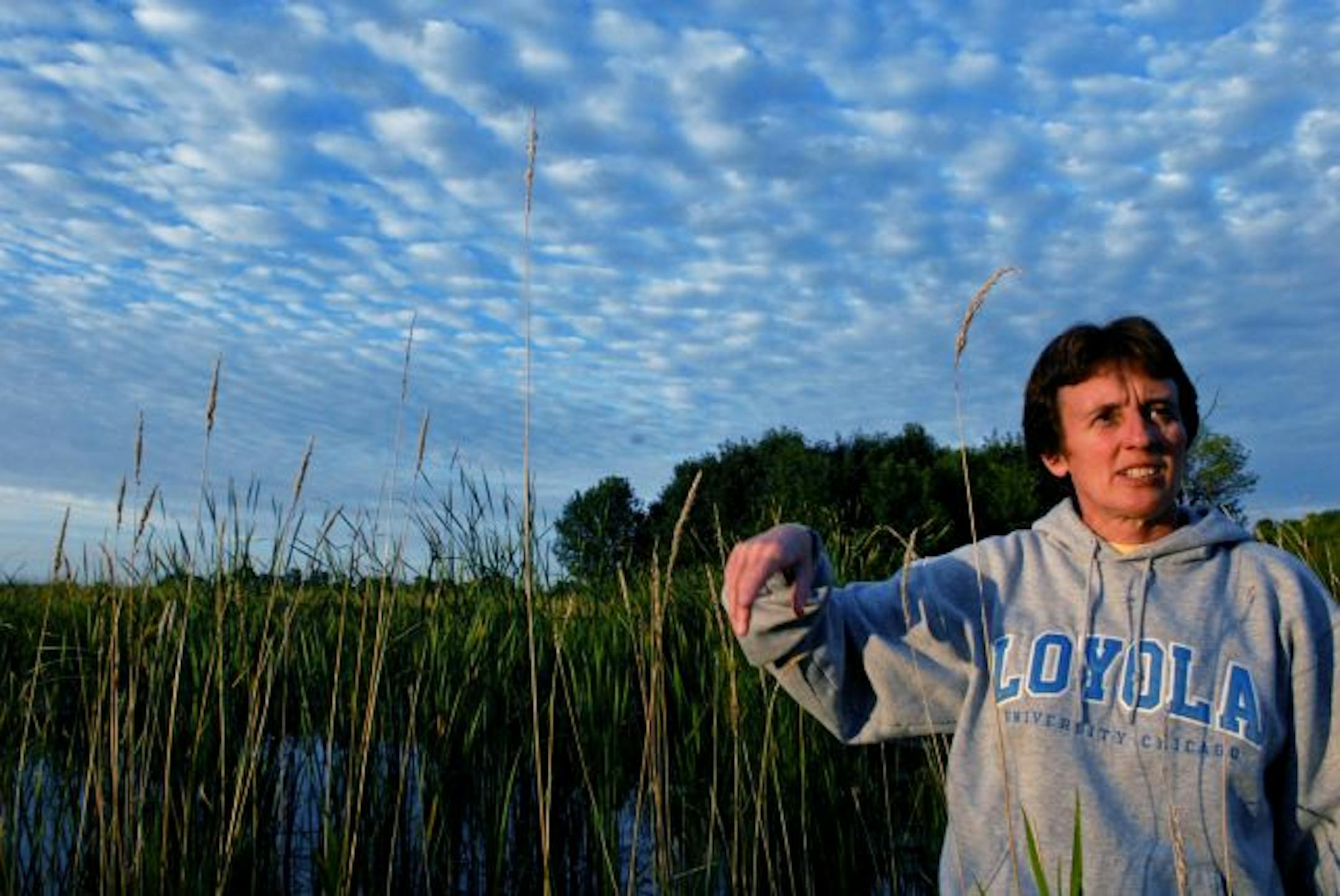
Minnesota DNR wildlife manager Wendy Krueger explained the complicated and successful rebuilding of Lake Maria in southwest Minnesota. The lake was once one of Minnesota's premier waterfowl lakes before devolving into a soupy, carp-infested slough. The lake now boasts the bountiful vegetation that surrounds Krueger.
Minnesota DNR wildlife manager Wendy Krueger explained the complicated and successful rebuilding of Lake Maria in southwest Minnesota. The lake was once one of Minnesota’s premier waterfowl lakes before devolving into a soupy, carp-infested slough. The lake now boasts the bountiful vegetation that surrounds Krueger. (Star Tribune/The Minnesota Star Tribune)

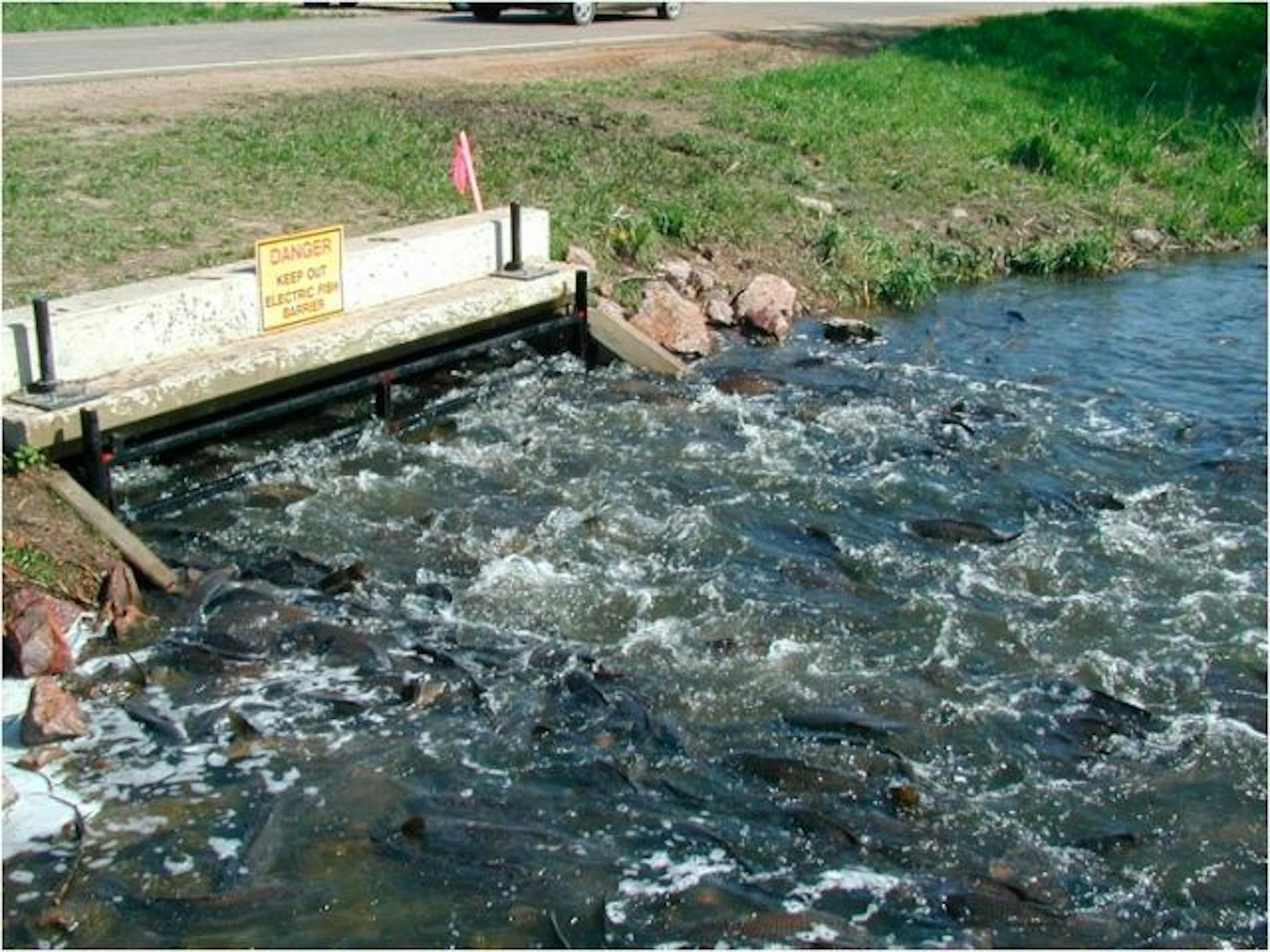
GARVIN, MINN. — Department of Natural Resources area wildlife manager Wendy Krueger stood along a blacktop road Wednesday evening not far from this southwest Minnesota burg, and smiled. And why not? A few feet from her was an electric fish barrier that kept Lake Sarah carp in Lake Sarah -- and out of Lake Maria, which early last century was among Minnesota's best duck hunting lakes.

So attractive then to ducks and, in time, duck hunters was Maria that a hunting camp was begun there in 1936 by William L. McKnight and Archibald Bush, two early leaders of 3M and longtime chairmen of its executive committee and board, respectively. In fact, the 3M Gunne Club on Lake Maria, as the outfit would come to be called, was home to a group of wingshooters who were exclusively 3M employed.

Camp dues in 1936 when McKnight, Bush and eight others started hunting at Maria were $25 apiece. The bunch made the 150-mile trip to Maria on weekends, staying in an old farmhouse that was moved to the shore of the lake and leasing their hunting spot from Swan Hobert, a Swedish immigrant.

When Hobert died, the lease transferred to his daughter and three bachelor sons.

In the years since, 3M has prospered and become a worldwide concern. The same can't be said of Lake Maria. Carp -- brought to Minnesota from Britain in the late 1800s -- took hold of the lake near the middle of last century, muddying its waters and killing its vegetation.

Other problems afflicted the lake as well, including water that not only was too turbid but too deep.

Soon Lake Maria's ducks diminished, and when they did, some 3M hunters moved on to Lake Christina near Ashby, Minn.

Enter now Krueger, the DNR wildllife manager. She grew up little more than a stone's throw from Lake Maria and has long been aware how good the hunting was there in the "old days."
But the Lake Maria she knew as a kid was little more than a dirty, 400-acre puddle.

Now, after a reclamation project led by Ducks Unlimited, the DNR, the U.S. Fish and Wildlife Service, the Minnesota Waterfowl Association, the Ducks, Wetlands and Clean Water Rally and a host of others, Krueger was able to watch Wednesday evening as flock after flock of wood ducks, teal and mallards pitched into a lake whose water is once again clean and its vegetation plentiful.

Krueger is quick to credit the one person whose support was critical to the project's success.

Now 76, Winston Peterson was just a boy when the original 3M hunting club was established on his grandparents' property on Lake Maria. It was Peterson, perhaps more than anyone, whose heart was broken the most, and the most often, when Maria devolved from a duck Mecca into a soupy slough.

It was also Peterson who gave the DNR an easement on his Lake Maria property -- which he inherited from his mother and her three bachelor brothers -- so the fish barrier and a water-control structure could be established on the lake's outlet. The fish barrier keeps the carp out, and the water-control mechanism helps nurture duck-friendly vegetation such as sego pondweed and hard- and soft-stem bulrush.

The effort, costing about $450,000, is part of Ducks Unlimited's Living Lakes initiative in Minnesota. The program is aided by the DNR, the Fish and Wildlife Service, private landowners and other conservation groups, and intends to rebuild as many of the state's shallow wildlife lakes as possible, in part by ridding them of carp and in part by controlling their water levels.

Not all of these efforts have succeeded. Lake Christina -- the home still today of a 3M duck camp -- has eaten up hundreds upon hundreds of thousands of dollars in engineering and construction costs, and still is plagued by carp and high water.

"The problem at Christina is that rather than 400 acres, it's 4,000 acres," said Jon Schneider of Ducks Unlimited, who will play an important role in his group's continuing attempts to restore that big lake.

"In some years, Christina is home during the migration to one-fifth of the continent's breeding population of canvasbacks," Schneider said. "So it's important to ducks, and it's important we succeed. And we will."

Important also are Minnesota's thousands of other shallow lakes, which historically have been home in fall to vast migrations of North American ducks.

Said Peterson, whose son and daughter and their families now live on the farm his grandparents established, "Words can't describe how happy I am to see Lake Maria restored."

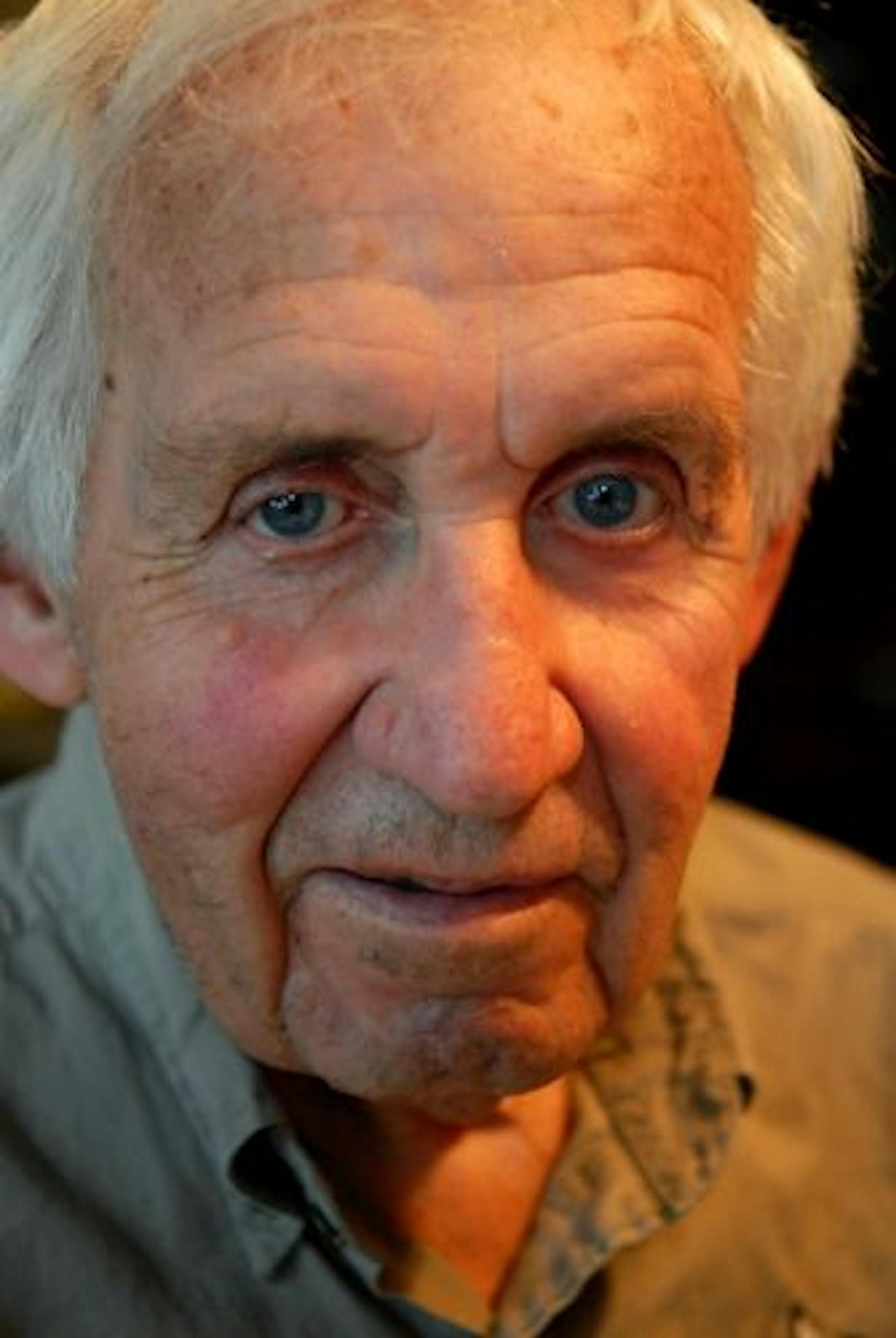
Landowner Winston Peterson of Tracy, Minn.
Landowner Winston Peterson of Tracy, Minn. (Star Tribune/The Minnesota Star Tribune)
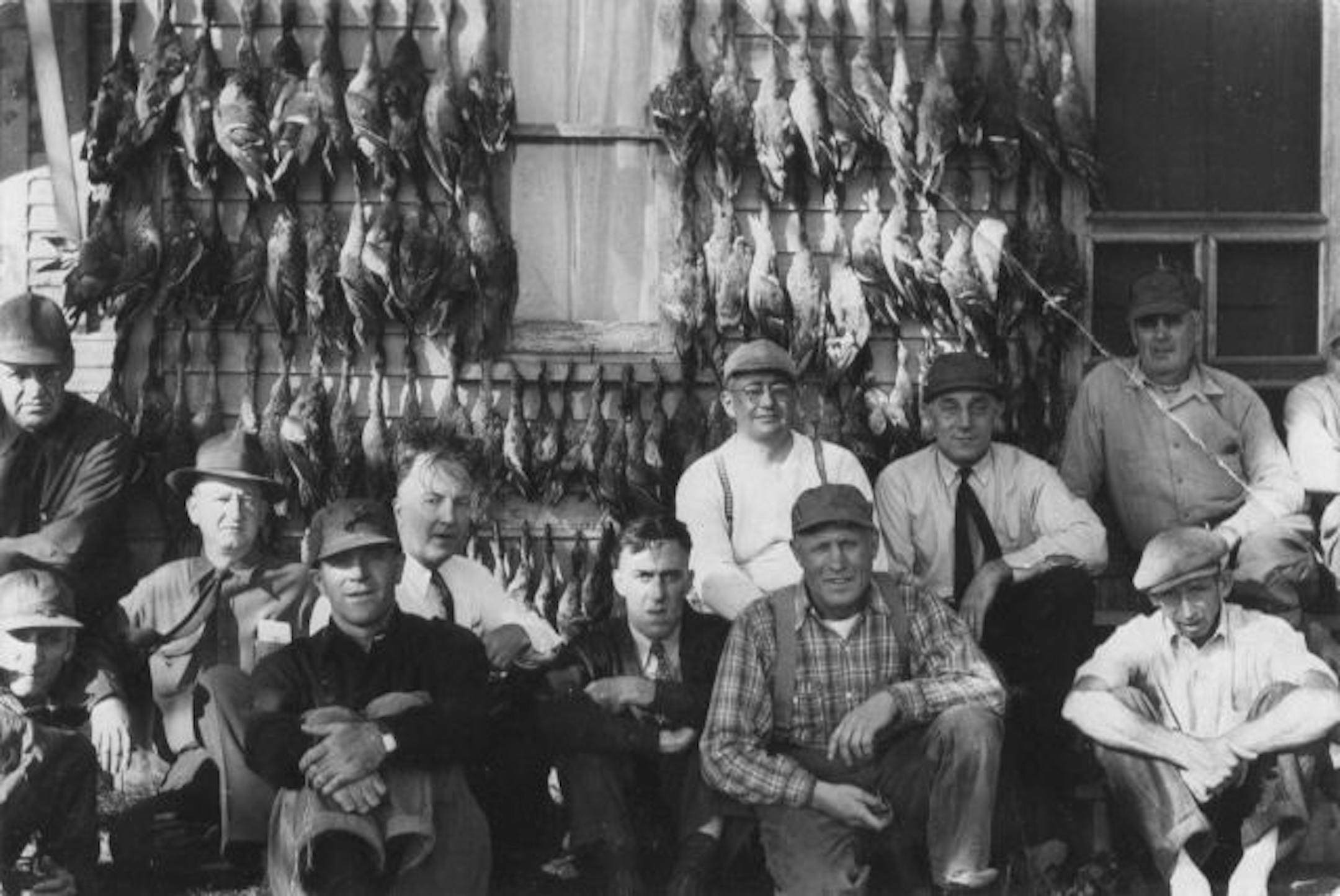
Members of the 3M Gunne Club and inhabitants of the club's Duck Inn with 127 ducks taken on opening weekend, 1943.
Members of the 3M Gunne Club and inhabitants of the club’s Duck Inn with 127 ducks taken on opening weekend, 1943. (Star Tribune/The Minnesota Star Tribune)
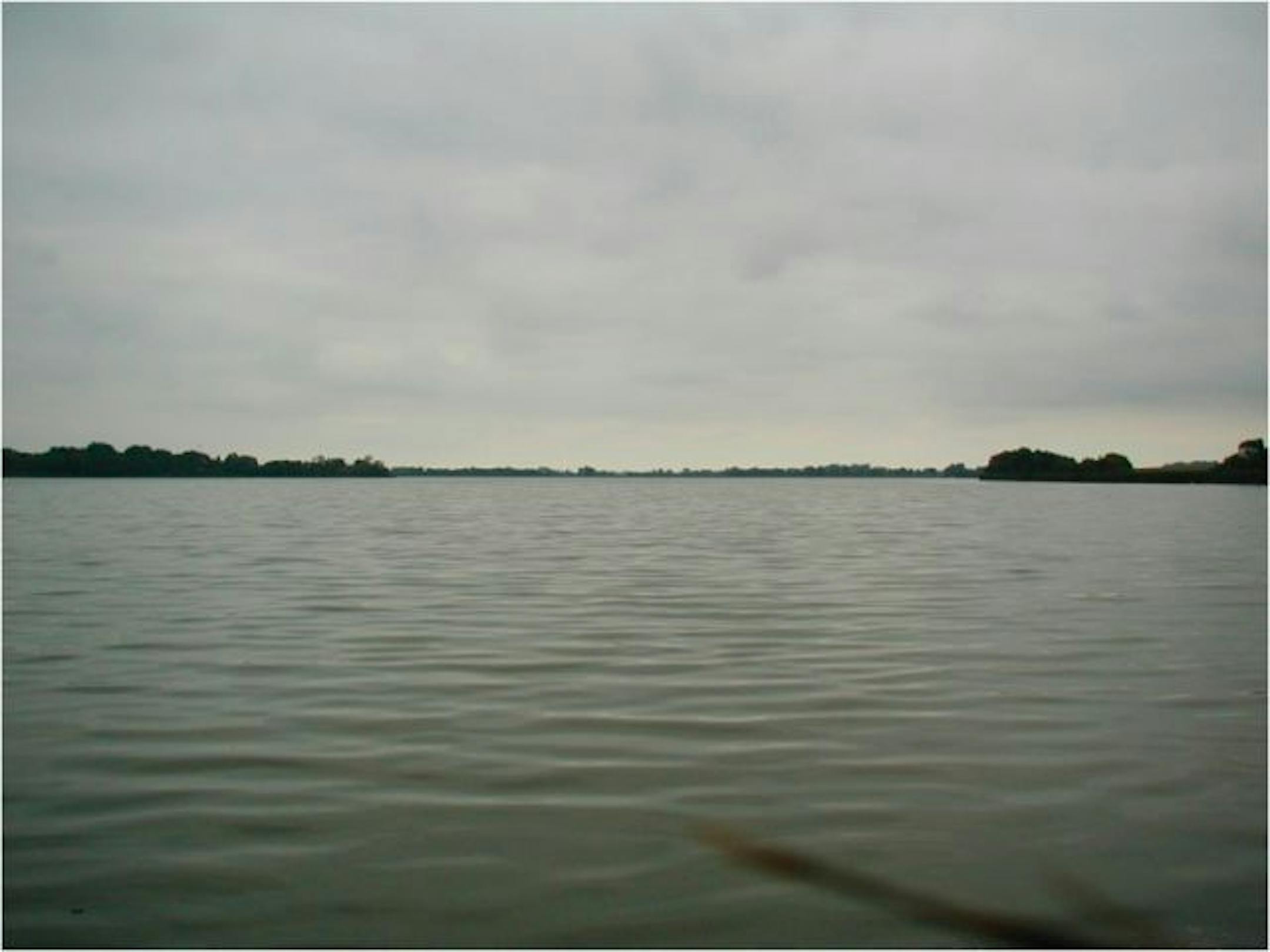
A dirty, open 400-acre slough, Lake Maria is shown before it was restored.
A dirty, open 400-acre slough, Lake Maria is shown before it was restored. (Star Tribune/The Minnesota Star Tribune)
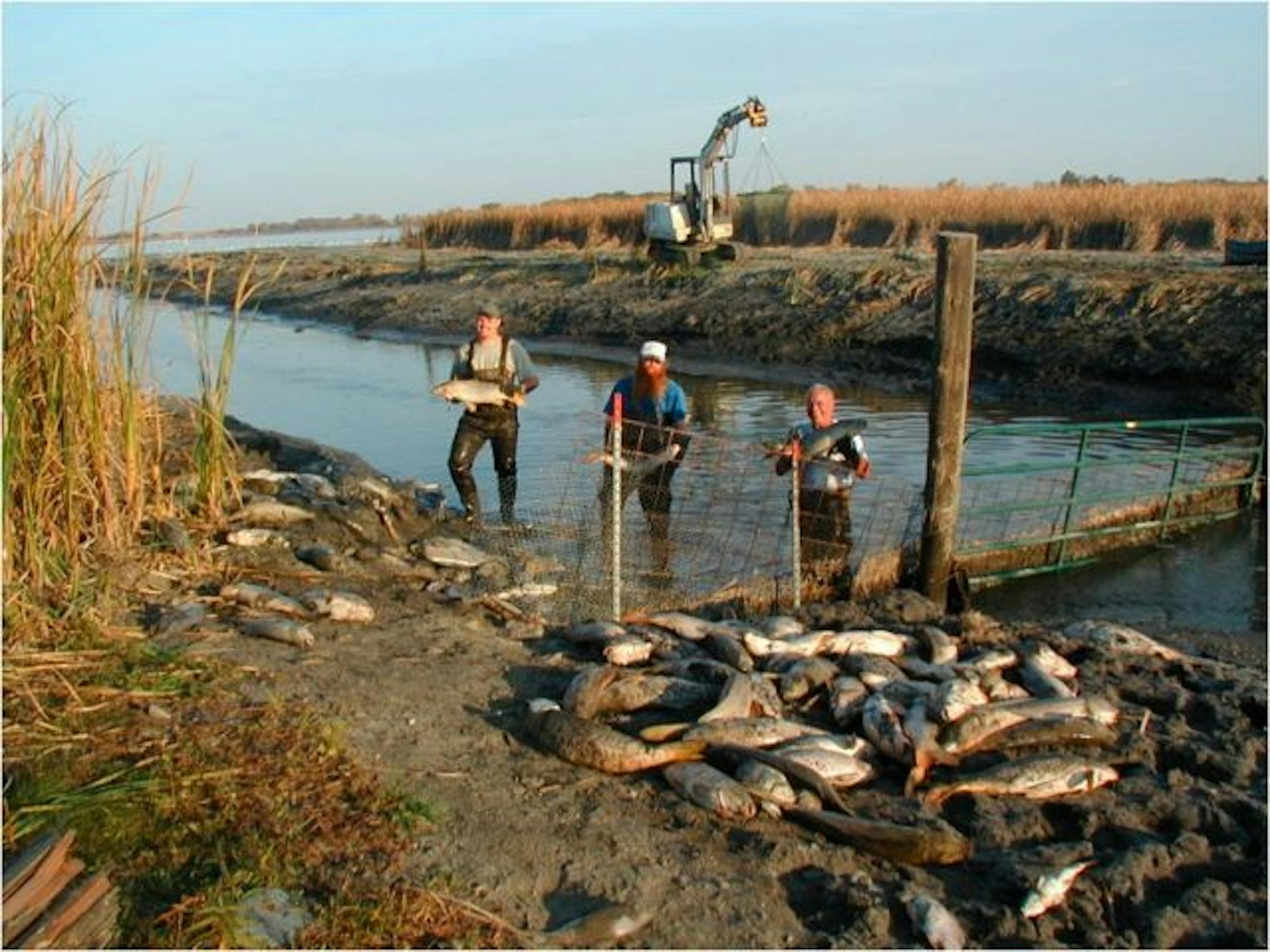
Lake Maria gives up its manifold carp.
Lake Maria gives up its manifold carp. (Star Tribune/The Minnesota Star Tribune)
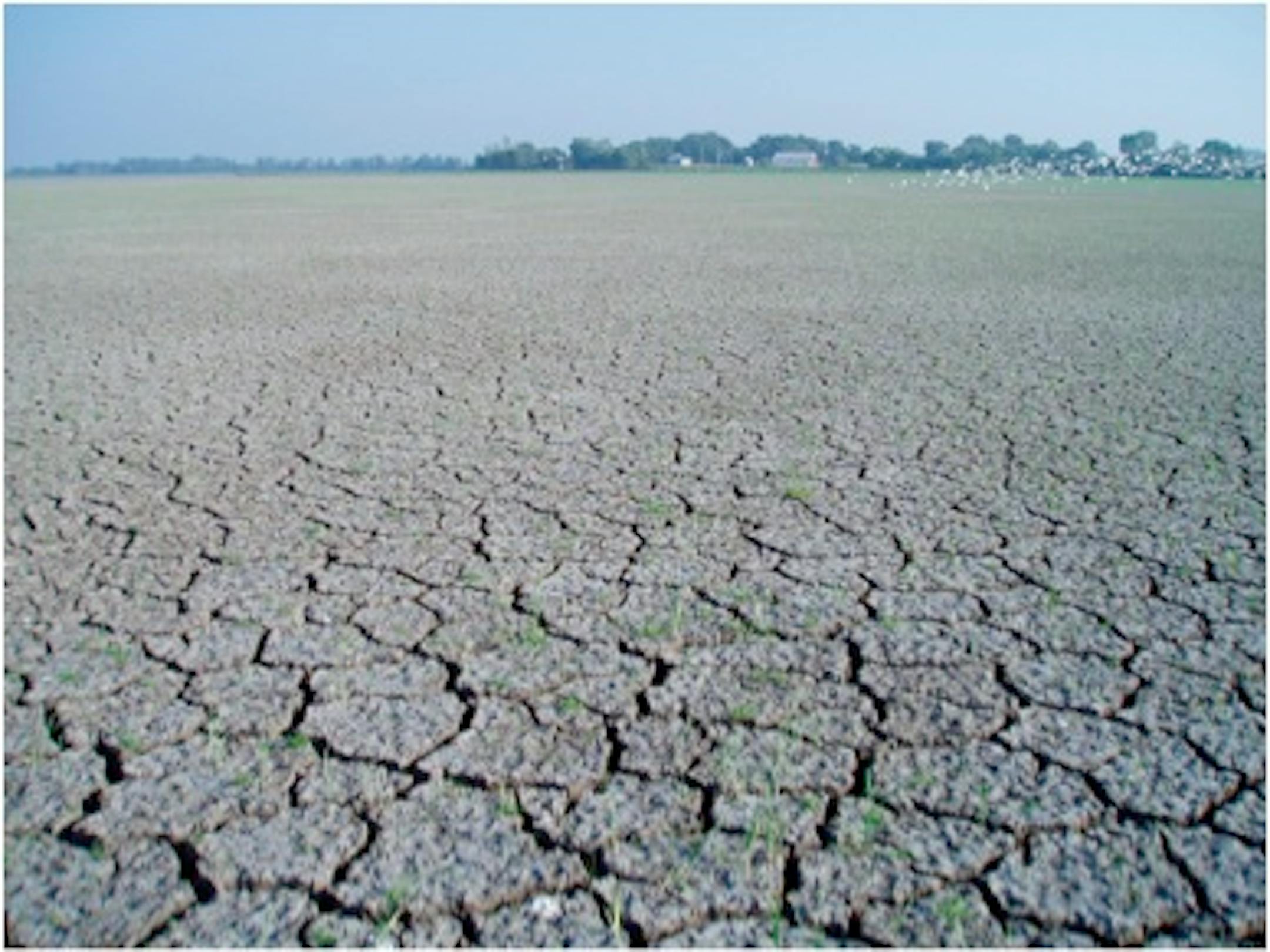
Lake Maria after it was drained.
Lake Maria after it was drained. (Star Tribune/The Minnesota Star Tribune)
A new, electric carp barrier was installed on Lake Maria.
A new, electric carp barrier was installed on Lake Maria. (Star Tribune/The Minnesota Star Tribune)
about the writer

about the writer

Dennis Anderson

Columnist

Outdoors columnist Dennis Anderson joined the Star Tribune in 1993 after serving in the same position at the St. Paul Pioneer Press for 13 years. His column topics vary widely, and include canoeing, fishing, hunting, adventure travel and conservation of the environment.

See Moreicon