

You needn't pay very close attention nowadays to share the notion that, rather than pressing ahead determinedly toward some good end, following a plan, we, as a people, lurch instead from crisis to crisis, unsure exactly where we're headed, and less so where we'll end up.
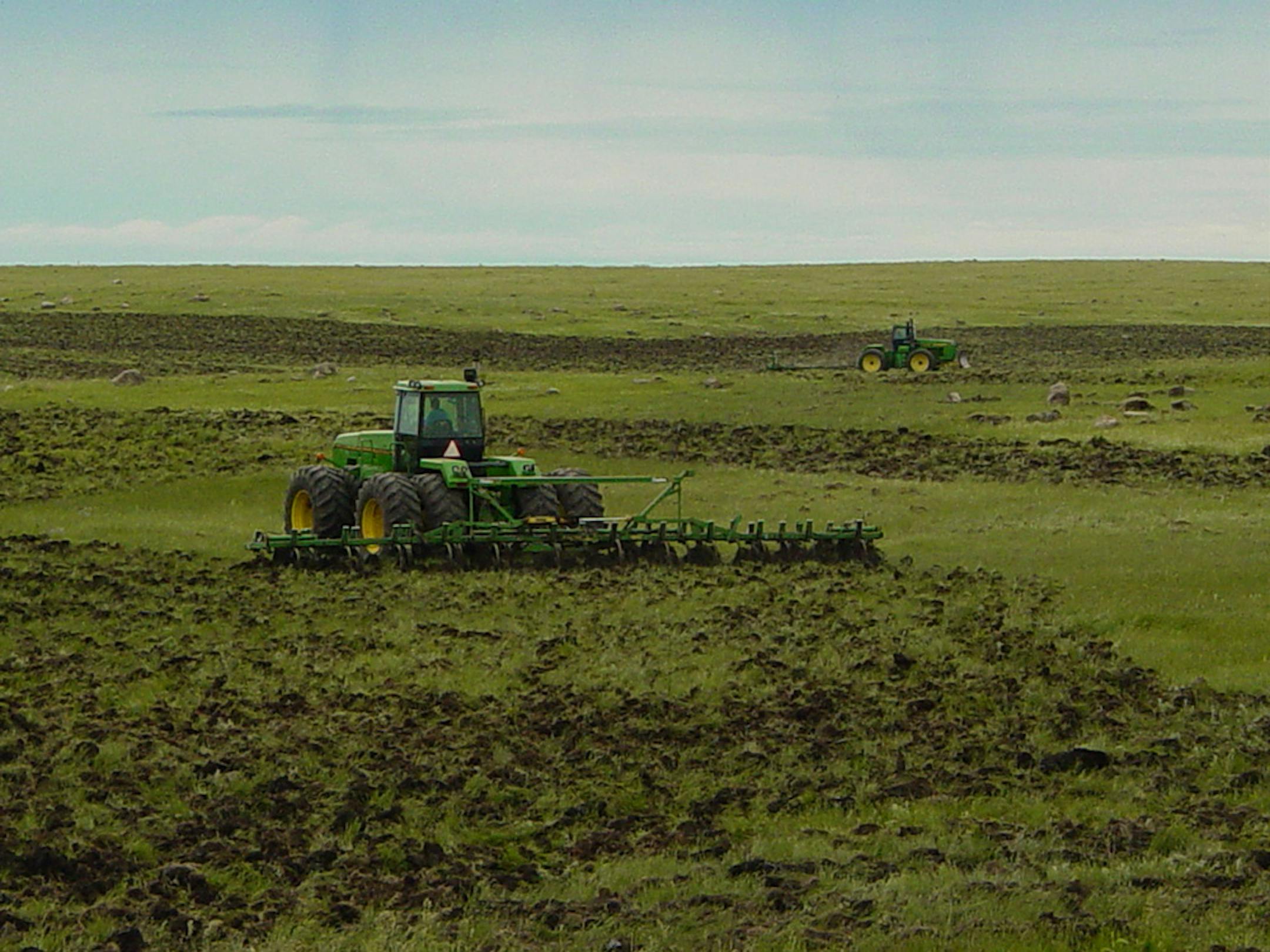
This is particularly true in matters of the environment, not least the transformation, ongoing, to marginal croplands of the nation's last best grasslands and the Dakota ecosystems they support, the alterations enriching a relative few at great public expense, and cost.
An attempt now to still that process and preserve some of these irreplaceable lands, and with them critical components of the nation's natural heritage, is caught up in a congressional conference committee whose main charge -- go figure -- is deciding how much will be spent on roads and bridges.
At issue are two versions of a federal transportation bill, one passed by the House, the other by the Senate, the latter better by half, measured by what good it could do not only for yellow warblers, least flycatchers, eastern phoebes, ducks, pheasants and other prairie wildlife, but also for the health and long-term stability of the Dakotas -- held together as they traditionally have been by vast expanses of big bluestem, Indian grass, western wheatgrass and sideoats grama, among other grasses and grass-like plants.
Some background:
The Land and Water Conservations Fund (LWCF) was created by Congress in 1965. Its intention was to employ a portion of revenues gained from the sale of offshore oil and gas leases to pay for natural resource conservation and outdoor recreation nationwide, including state, local and national parks and trails.
Revenues diverted to the LWCF for these projects were supposed to total $900 million annually. But that has rarely happened. Instead, Congress has leeched most of the cash each year for other purposes. Since 1965, some $17 billion has gone missing.
Now a conversion of interests hopes the Senate's transportation bill triumphs over the House's in key ways as the conference committee assigned to resolve differences between the two races to finish its work. A final bill must pass both chambers and be signed by President Obama by the end of the month, when authorization under the current transportation law runs out.


