

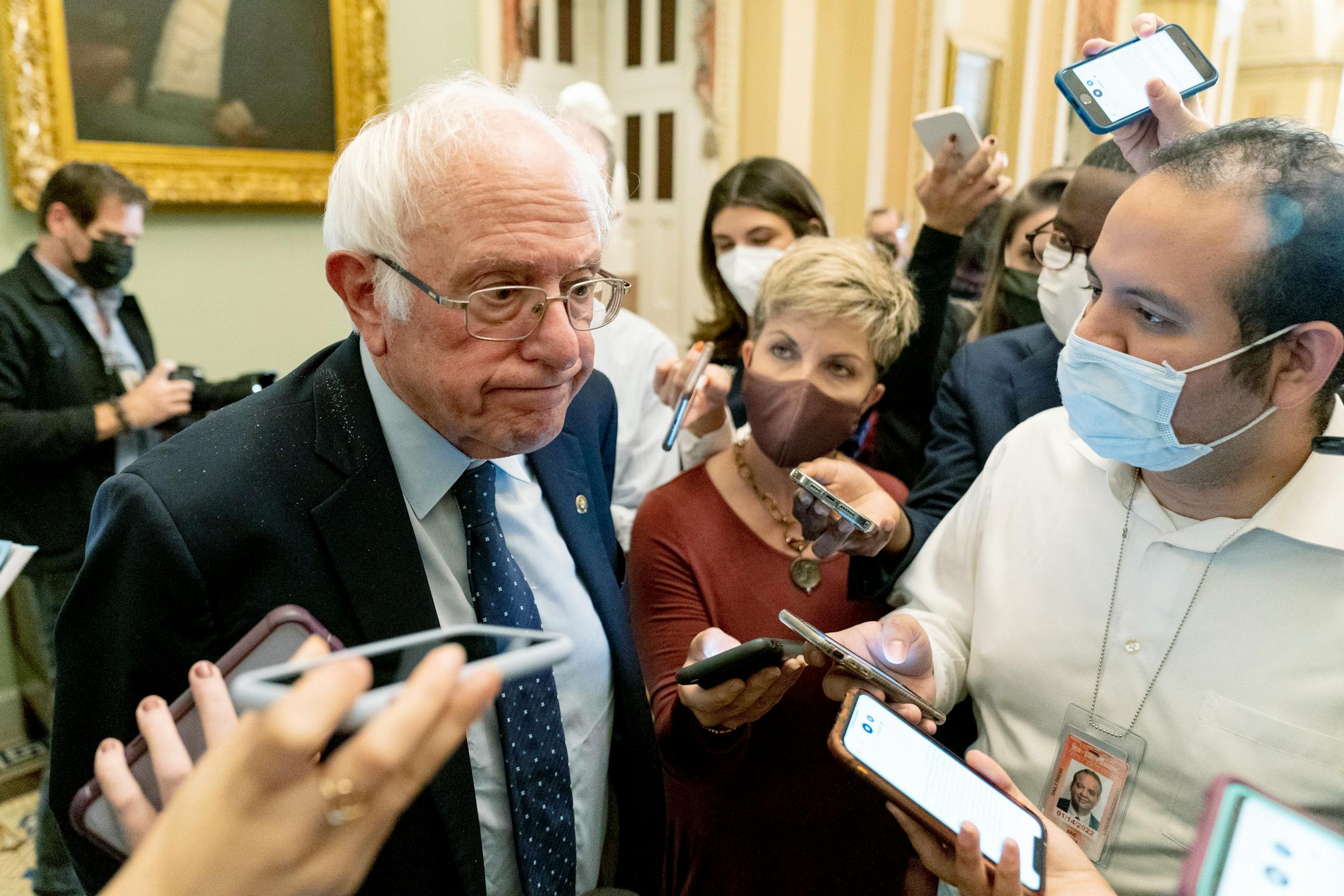
WASHINGTON — Divided Democrats struggling to enact President Joe Biden's domestic agenda are confronting one of Congress' cruelest conundrums: Your goals may be popular, but that doesn't ensure they'll become law or that voters will reward you.
Polls show the public likes health care, education and other initiatives proposed for the enormous package. But Democrats haven't successfully clinched the sale to voters, who've been distracted by the party's internal fight over the plan's multitrillion-dollar price tag, remain confused about what's actually in the measure and are skeptical it would help them personally.
History shows that widely supported ideas can fail in Congress anyway. Even enacting a well-liked measure doesn't mean that voters, come the next election, will reward the party behind that achievement. Also, Democrats are crafting their bill against a backdrop of a country hardened along partisan lines and as large majorities disapprove of how Washington is handling its job.
"Cynicism and the lack of trust in institutions," said Democratic pollster Molly Murphy. People "don't think a whole lot gets done. And then that becomes a little self-fulfilling, they don't pay attention" to what's happening in Washington.
To Whit Ayres, a Republican pollster, "the popularity of particular policies has been overwhelmed by the power of partisanship and polarization."
Progressive and centrist Democrats have fought for months over the package, which includes components that earn high marks in polls. Initially advanced as a 10-year, $3.5 trillion plan, moderates are forcing down its price tag.
Biden this week told lawmakers he thinks he can negotiate a compromise with centrists for a package closer to $2 trillion. To do so, Democrats are considering slicing the cost and duration of priorities such as the child tax credit, paid family leave and expanded federal health care benefits.
Those talks continue and success isn't guaranteed. But the party would have so much to lose from the collapse of Biden's top-tier domestic goal — plus an accompanying, bipartisan $1 trillion package of infrastructure projects — that pressure for cutting a deal is immense.


