

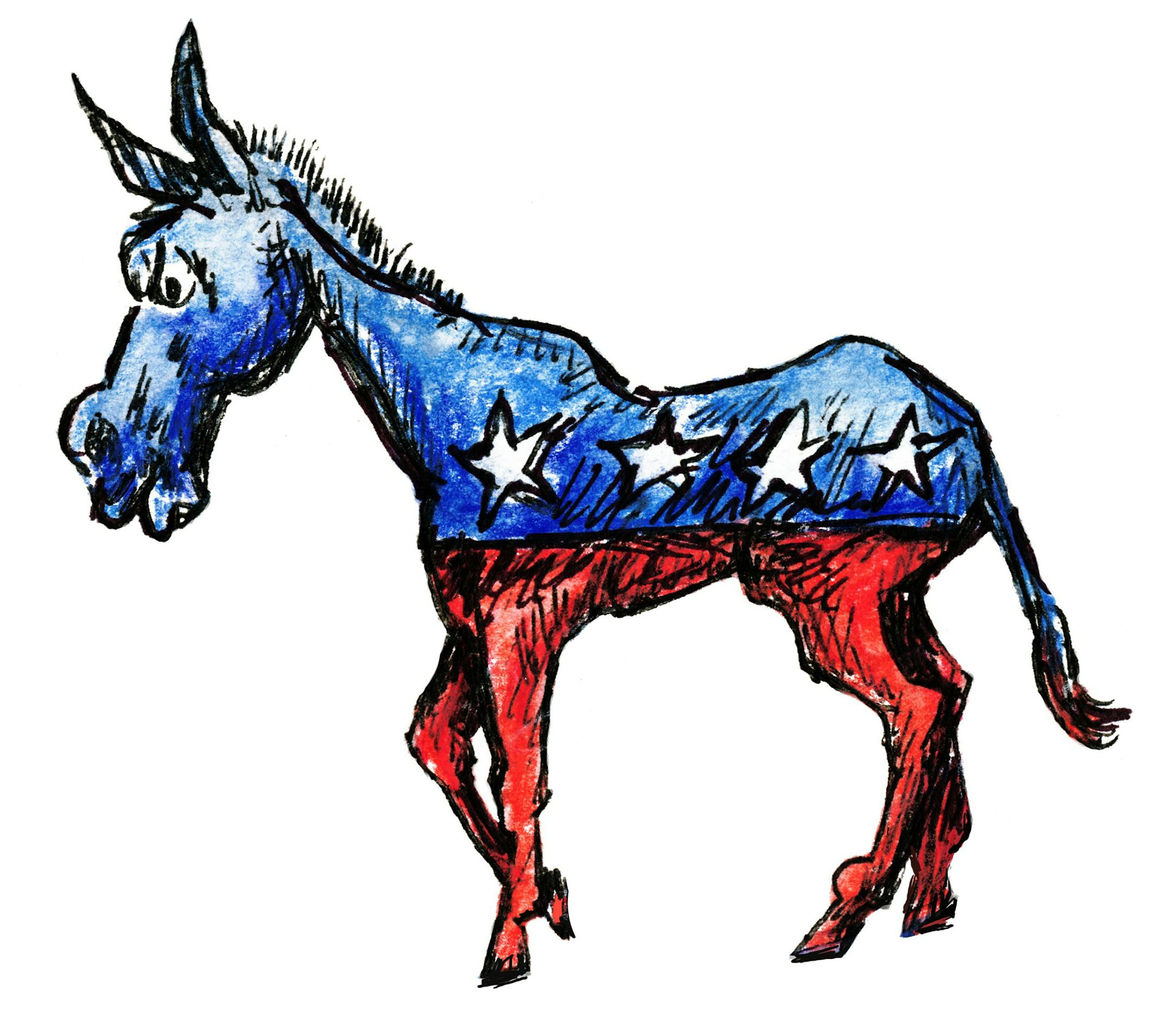
Since Donald Trump shocked the world by winning the presidency in November, Democrats have had a tendency to bury their heads in the sand.
They want very badly to attribute their defeat to external factors, but the truth is they ceded a lot of basic political turf to Trump and his Republican Party in the last election. Their campaigns, up and down the ballot, had the feel of a party satisfied with communicating only to the parts of the electorate that already agreed with them.
If they are to make their way back to power at any level in Washington, they'll have to recapture the spirit of reform that helped animate a series of political takeovers in recent decades. Trump ran on draining the swamp. So did Barack Obama and George W. Bush. Newt Gingrich, Nancy Pelosi and John Boehner all became speaker of the House by leading campaigns that promised to clean up Washington.
As freshman Rep. Ro Khanna, D-Calif., told me in a Sidewire chat on Friday, Trump's failure to institute real political reforms early in his presidency has created a gigantic opening for Democrats to seize that mantle. Khanna would like to see his party reject corporate money and for the country to institute term limits on members of Congress. I personally am not in favor of term limits, and I am somewhat conflicted on what our political funding system should look like, but Khanna is pointing in the right direction for Democrats.
He seems to understand that offering ideas to reform the political system is important not only on a substantive level but in terms of sending a signal to the American public that the status quo isn't good enough.
"We have a trust deficit in this country," he said in the text chat. "Folks don't trust politicians, media leaders, corporate leaders or big institutions. It's why Bernie's message and Trump's drain-the-swamp message resonated."
And, he added, instituting some reforms "would go a long way in convincing people that politicians aren't beholden to campaign interests."
When Democrats and reformer Republicans argue that the system needs to be rid of big money, the counterargument is usually that such limitations are an infringement on free speech. And the Supreme Court, of late, has sided with the First Amendment crowd.


