

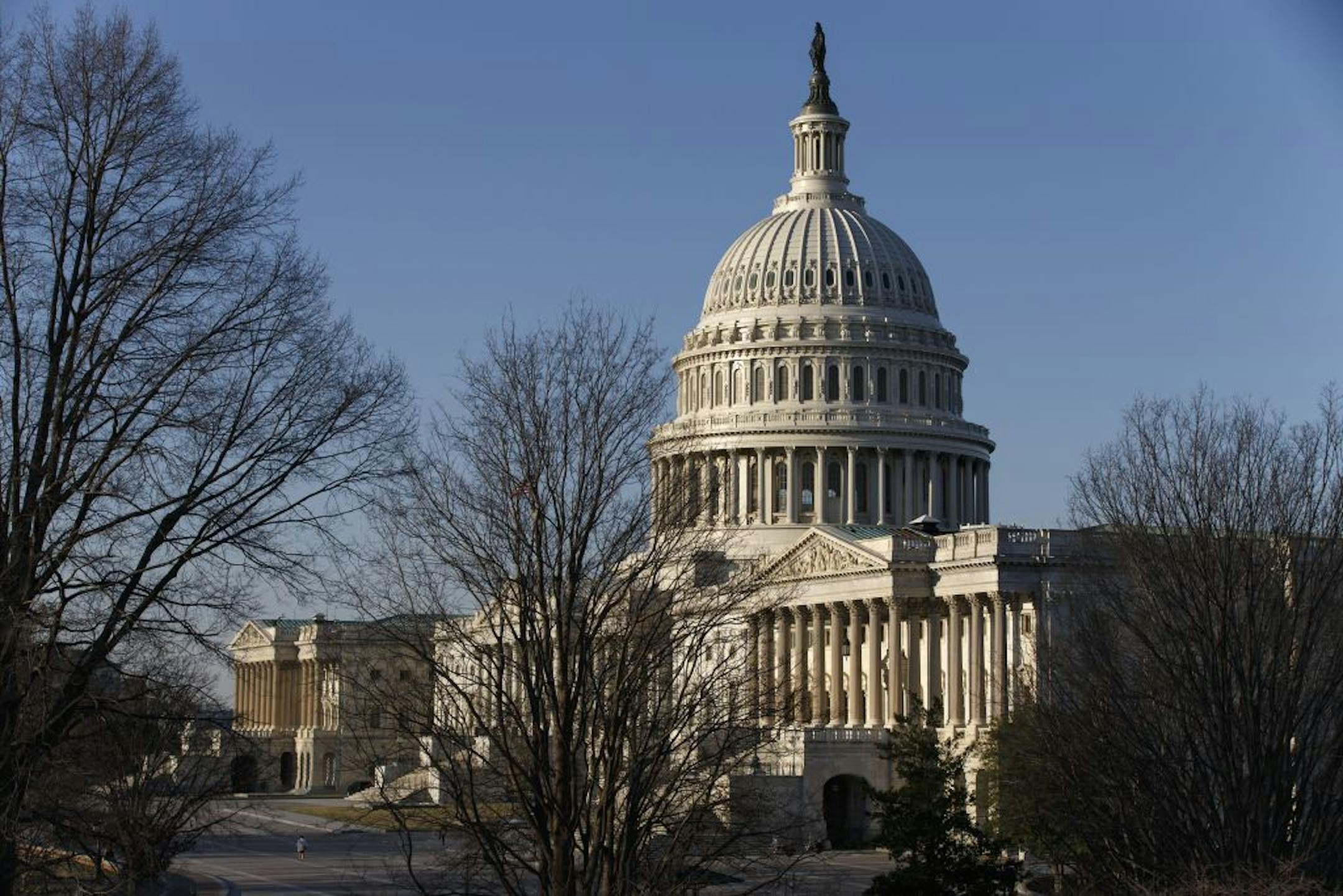
WASHINGTON - Faced with a strong prospect of losing control of the Senate in November, Democrats have begun a high-stakes effort to try to overcome one of their party's big weaknesses: voters who don't show up for midterm elections.
The party's Senate campaign committee plans to spend $60 million to boost turnout. That's nine times what it spent in the last midterm election, in 2010.
The Democratic National Committee has begun to make the sophisticated data analysis tools developed to target voters in the 2012 presidential campaign available to all the party's candidates.
And from President Obama on down, influential Democrats have hammered away at the need for candidates to start now to work on reducing the number of so-called drop-off voters.
"During presidential elections, young people vote; women are more likely to vote; blacks, Hispanics more likely to vote," Obama said at a recent fundraiser for congressional campaigns. But when the presidency is not at stake, those Democratic-leaning groups tend to stay home, he said.
"We do pretty well in presidential elections," he said. "But in midterms we get clobbered."
Another clobbering may be on the way. Both the map and voters' mood favor Republicans.
By the luck of the draw for the GOP, most of the competitive Senate elections in 2014 take place in Republican-leaning states, including Alaska, Montana, Louisiana and Arkansas. At least eight Democratic incumbents face difficult races, giving the GOP several options to win the six seats they need to gain the majority.


