

Opinion editor's note: Star Tribune Opinion publishes a mix of national and local commentaries online and in print each day. To contribute, click here.
•••
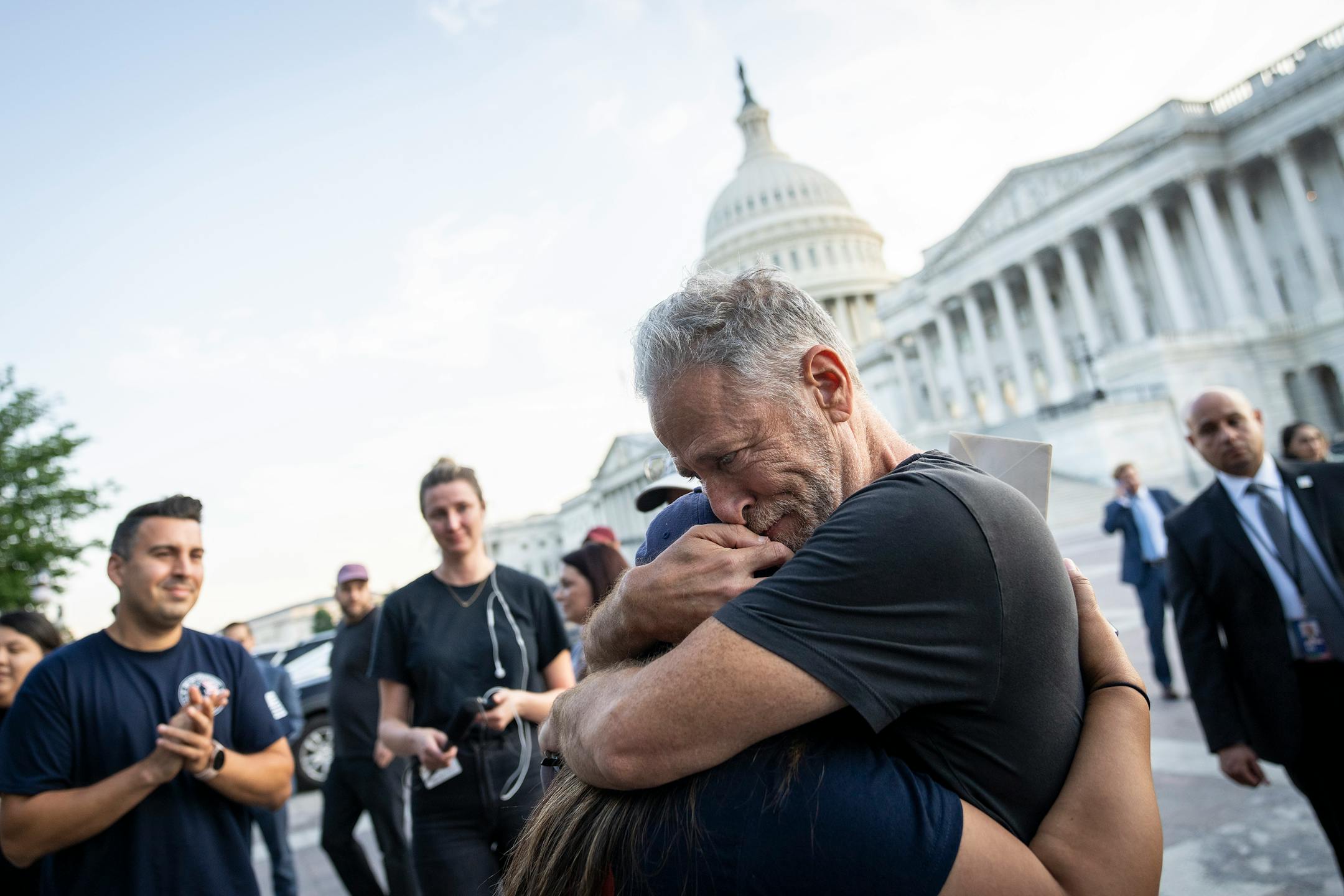
Legislation helping veterans exposed to toxic trash-incineration pits while serving overseas finally passed the Senate this week. Comedian and activist Jon Stewart, who had worked hard to elevate the problem and then to help get the bill across the finish line, expressed frustration that the process had been so arduous.
"I'm not sure I've ever seen a situation where people who have already given so much had to fight so hard to get so little," Stewart said.
Similarly, journalist Wesley Lowery tweeted: "jon stewart is an excellent example of the power of celebrity when [it's] wielded strategically and unrelentingly on a single issue - and also, it says a lot about our system that an issue like *this would require a celebrity's unrelenting advocacy for years in order to be addressed"
Lowery is right. It does say something about the U.S. political system and about democracy in general. But it isn't necessarily something bad.
First, democracy in general. There are no consensus issues in a country of 330 million people. Even if the basic idea is overwhelmingly popular — few seem to oppose benefits for veterans who were harmed in the line of duty — that still leaves questions including who should be eligible, what treatments should be covered and who should pay for them.
Beyond that, something only becomes overwhelmingly popular if people notice it in the first place, and in a very large nation there are hundreds — thousands? millions? — of problems that people are upset about. So beyond the challenge of getting people to agree on everything, there is the challenge of convincing people to focus on the problem in the first place. It's not surprising that having a celebrity activist involved helps.


