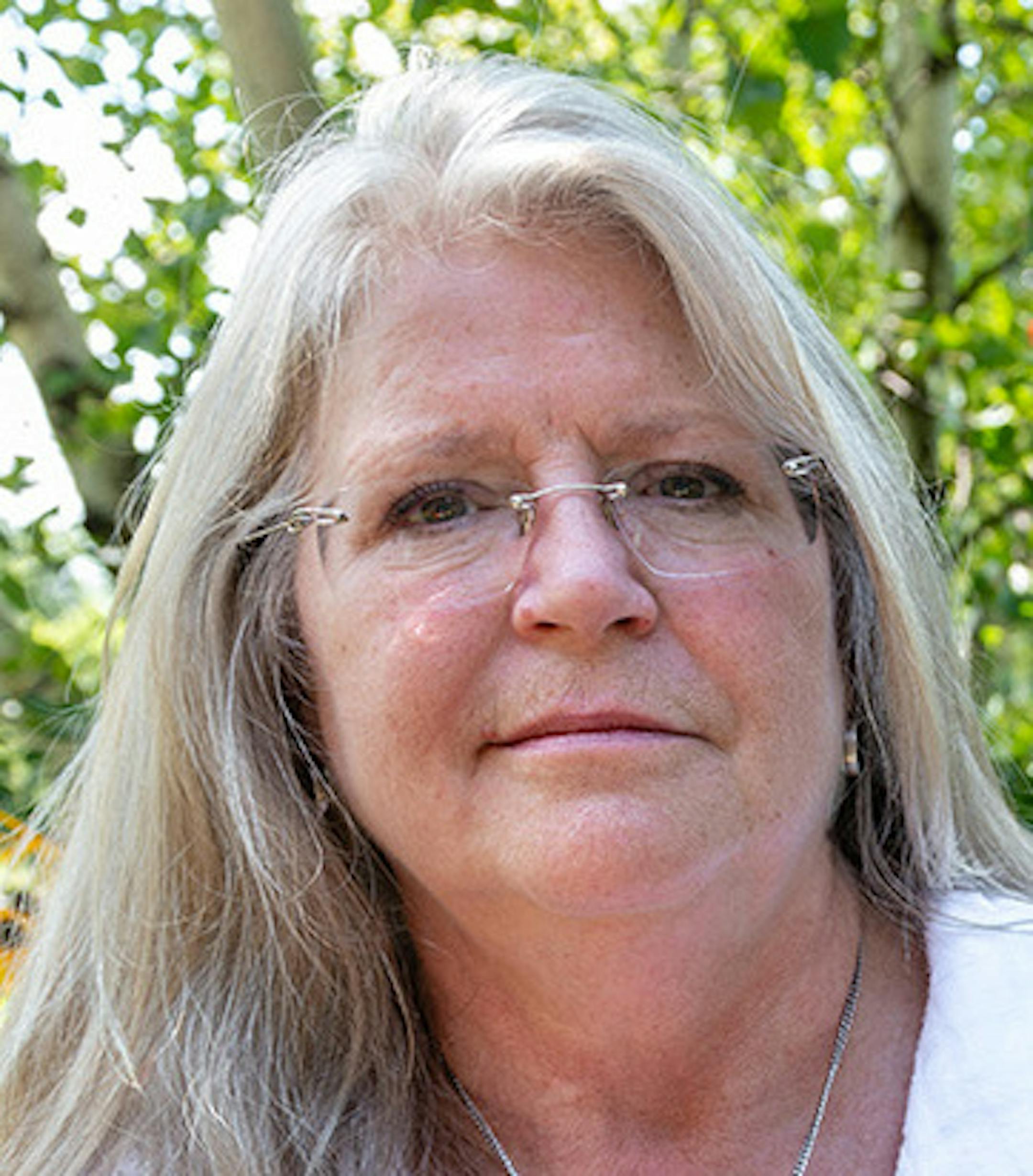
ITHACA, N.Y. – When she worked on the trading floor of the Chicago Board Options Exchange, long before cellphone calculators, Susan Saran performed complex math problems in her head. Years later, she was in charge of investigating insider trading deals.
Now she struggles to remember multiplication tables.
Seven years ago, at age 57, Saran was told she has frontotemporal dementia, a progressive, fatal brain disease. "It was absolutely devastating," she said. "I was told to establish myself in a community before I was unable to care for myself."
So Saran uprooted herself. She sold her home in 2015 and found Kendal at Ithaca, a retirement community in rural New York whose website promised "comprehensive health care for life."
And now, she's fighting with that community over her right to determine how she'll die — even though she has made her wishes known in writing. Such a fight could ensnare millions of Americans in coming years. By 2050, nearly 14 million Americans 65 and older may have Alzheimer's diagnoses.
In 2018, after two brain hemorrhages, Saran signed an advance directive for dementia, a controversial new document created by the group End of Life Choices New York that instructs caregivers to withhold hand-feeding and fluids at the end of life to avoid the worst ravages of the disease.
But when Saran submitted the document to Kendal at Ithaca, where she has spent more than $500,000 to secure her future, officials said they could not honor her wishes.
In a letter, lawyers told Saran that the center is required by state and federal law to offer regular daily meals, with feeding assistance if necessary.