

With bird migration, no two springs are ever the same. But this year has been highly unusual.
Migration started off fairly typically, with early migrants like Baltimore orioles and yellow-rumped warblers appearing in good numbers by early May.
But then things ground to a screeching halt.
For the next two weeks, bird watchers in the metro area began scratching their heads over the scarcity of spring migrants.
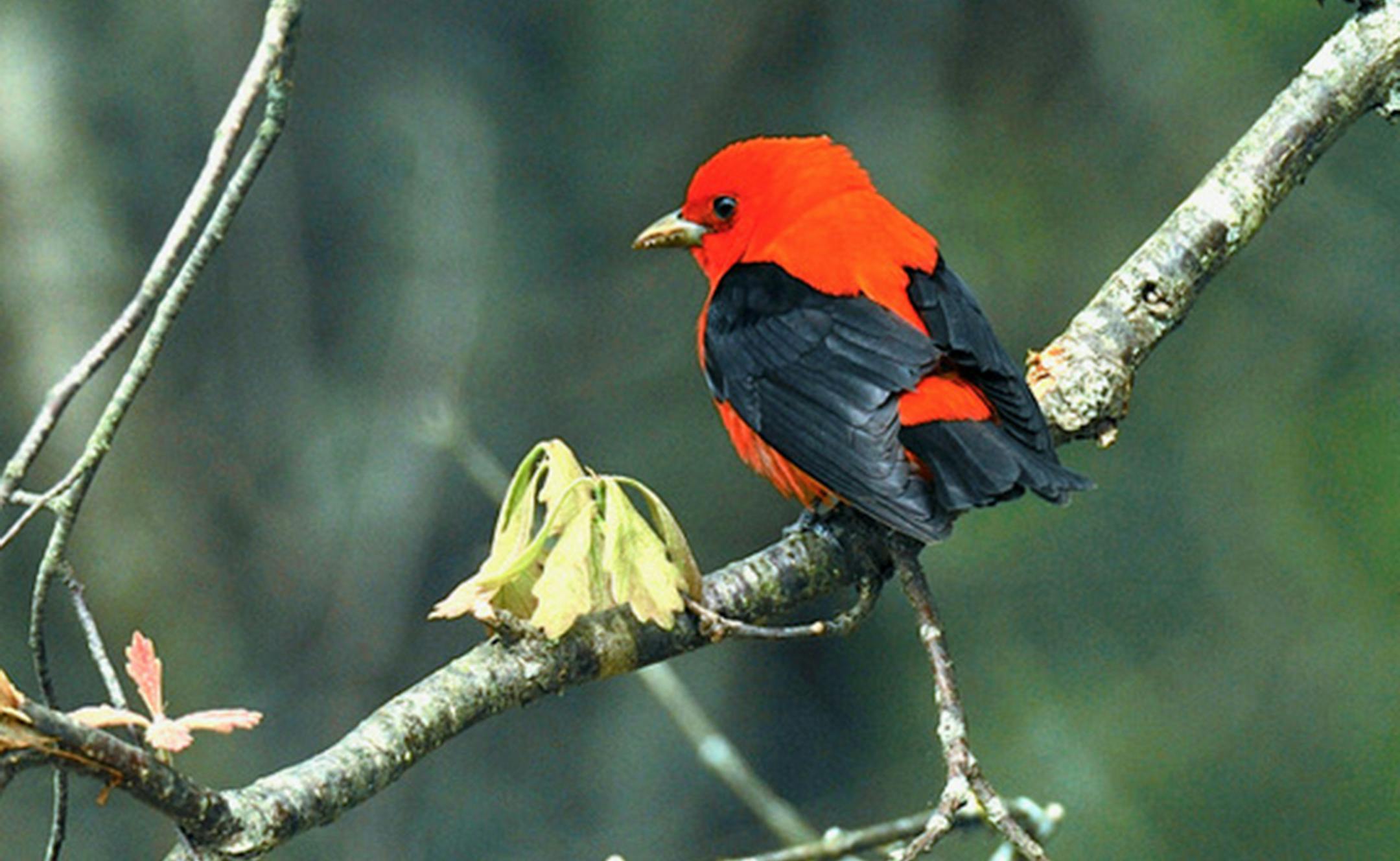
It wasn't only the small, colorful warblers that were missing, but also big, showy birds like scarlet tanagers. And, while we're at it, where were the Eastern towhees and the several vireos? Some birders began to speculate about what might be causing our nearly migrant-free spring.
Suddenly, things changed.
Stationary weather fronts that had trapped migratory birds in the South shifted, and a southerly wind began blowing the migrants northward. By mid-May, warblers and tanagers and other missing species started showing up in the Twin Cities in such numbers that they seemed to be making up for lost time.
Local nature centers, natural areas and riverside parks were popping with migrants, even in the rainy, stormy weather. And backyard bird watchers began seeing warblers and scarlet tanagers at their feeders, an unusual sight because these insect-eating birds tend to stay high up in trees.


