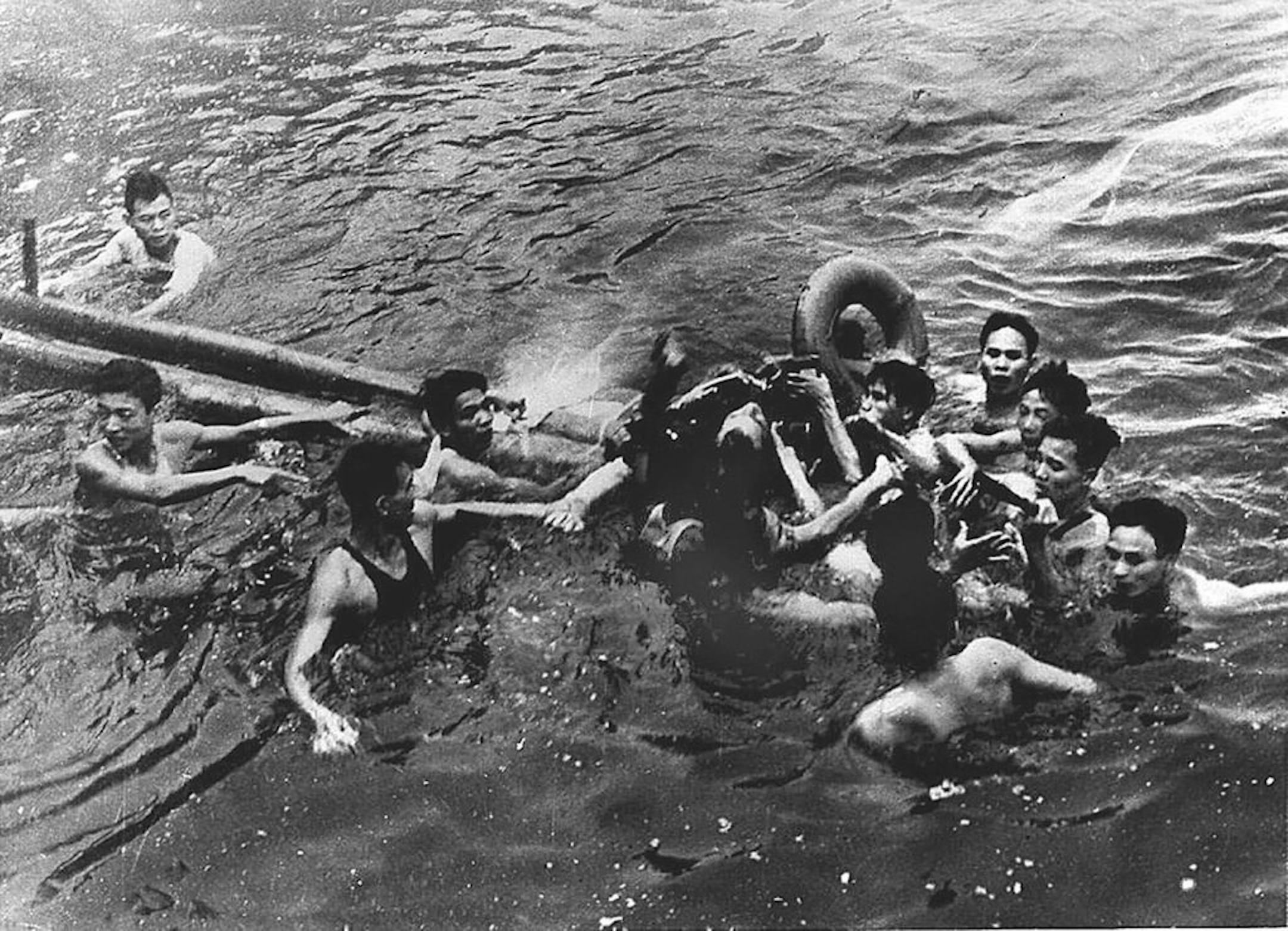
In a way, John McCain trained in the art of defiance years before his de-winged aircraft cratered at a Hanoi lake.
His Viet Cong captors pulled him from the water, stabbed him repeatedly with a bayonet and crushed his shoulder with a rifle butt. His right knee was twisted at a 90-degree angle. Provide helpful information, they told him, and medical care for his shattered body would be provided. McCain refused, and he was beaten unconscious.
Prison guards were in charge at that moment, and some semblance of that violent cause and effect — McCain's refusal to abide, leading to anguishing torture — would be a recurring feature of his more than five years of imprisonment until his release with hundreds of other prisoners in March 1973.
His captors' guards were in a long line of disciplinarians who tried and failed to corral McCain for decades, stretching from his maverick persona cemented at the Naval Academy to his rebellious streak against the leader of his party, President Donald Trump.
Yet McCain's infamous streak of bucking authority at Annapolis may have prepared him to defy his captors and survive the physically and psychologically harsh conditions of confinement at Hoa Lo Prison, better known as the Hanoi Hilton.
"Saying no to his captors came easily and naturally to John McCain," said Alvin Townley, author of "Defiant," a history of the most die-hard American prisoners of the Vietnam War.
• • •
Before his captivity, McCain honed the art of insubordination at a place created to pulverize individualism into obedience.