

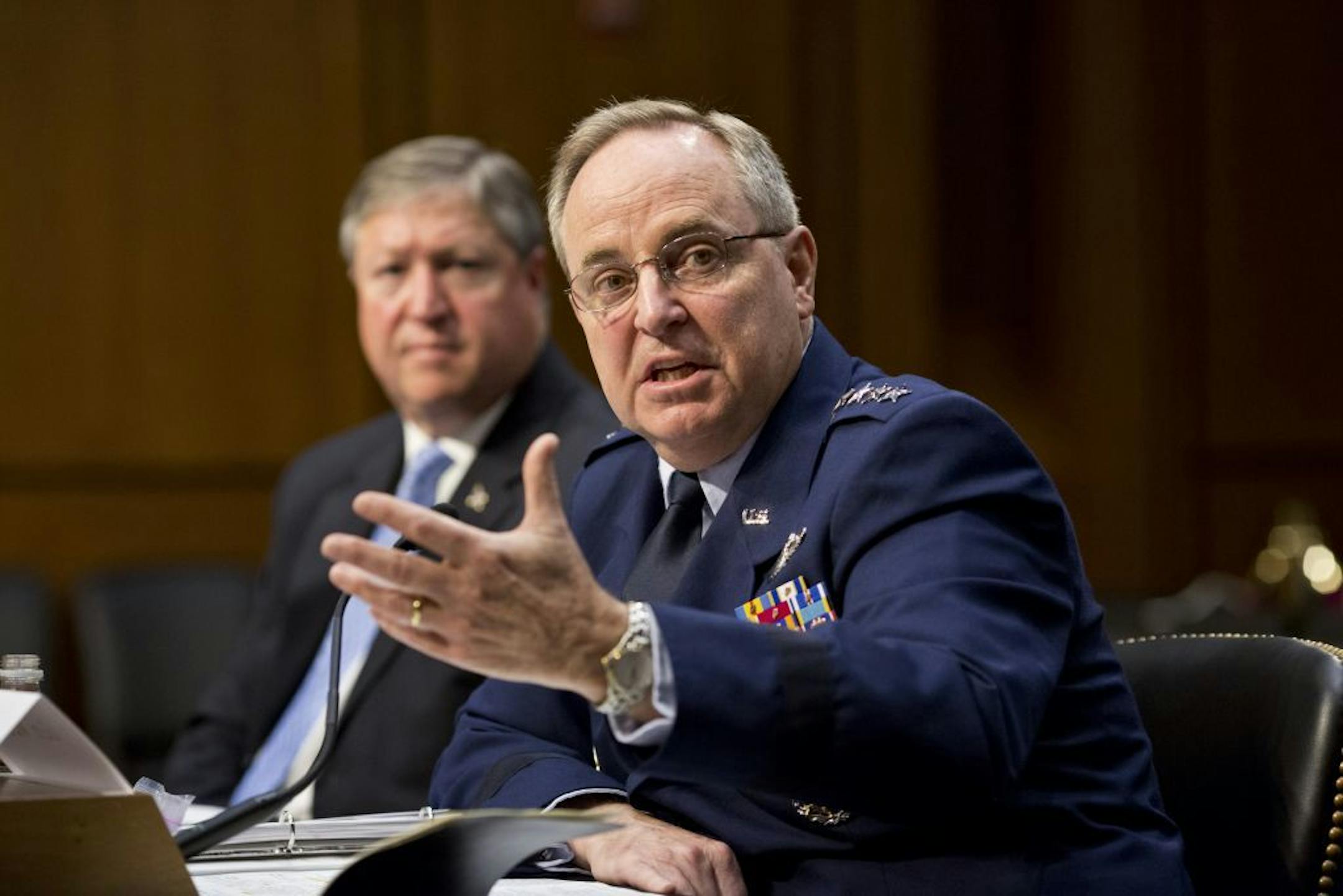
The Pentagon says it doesn't need them, can't afford to maintain them. Two congressional panels say you're stuck with them. At a time of federal budget squeezing, the Defense Department's effort to close installations rendered unnecessary by troop drawdowns has hit a political wall.
The wisdom of our founders is manifest in their putting the American military under civilian authority. But the downside to that act of constitutional genius is that decisions about the armed services are sometimes made for reasons that have nothing to do with defending the country.
Pentagon leaders say troop reductions leave them with facilities they don't need. The money is needed for training and equipment. No matter. Not only did the congressional committees turn thumbs down to base downsizing, but one says the Pentagon can't even plan for such a possibility.
The economic impact of military facilities is often crucial to nearby communities. But economic development is not the mission of the U.S. armed services, which are being forced to cut things they need and forbidden to get rid of what they don't need.


