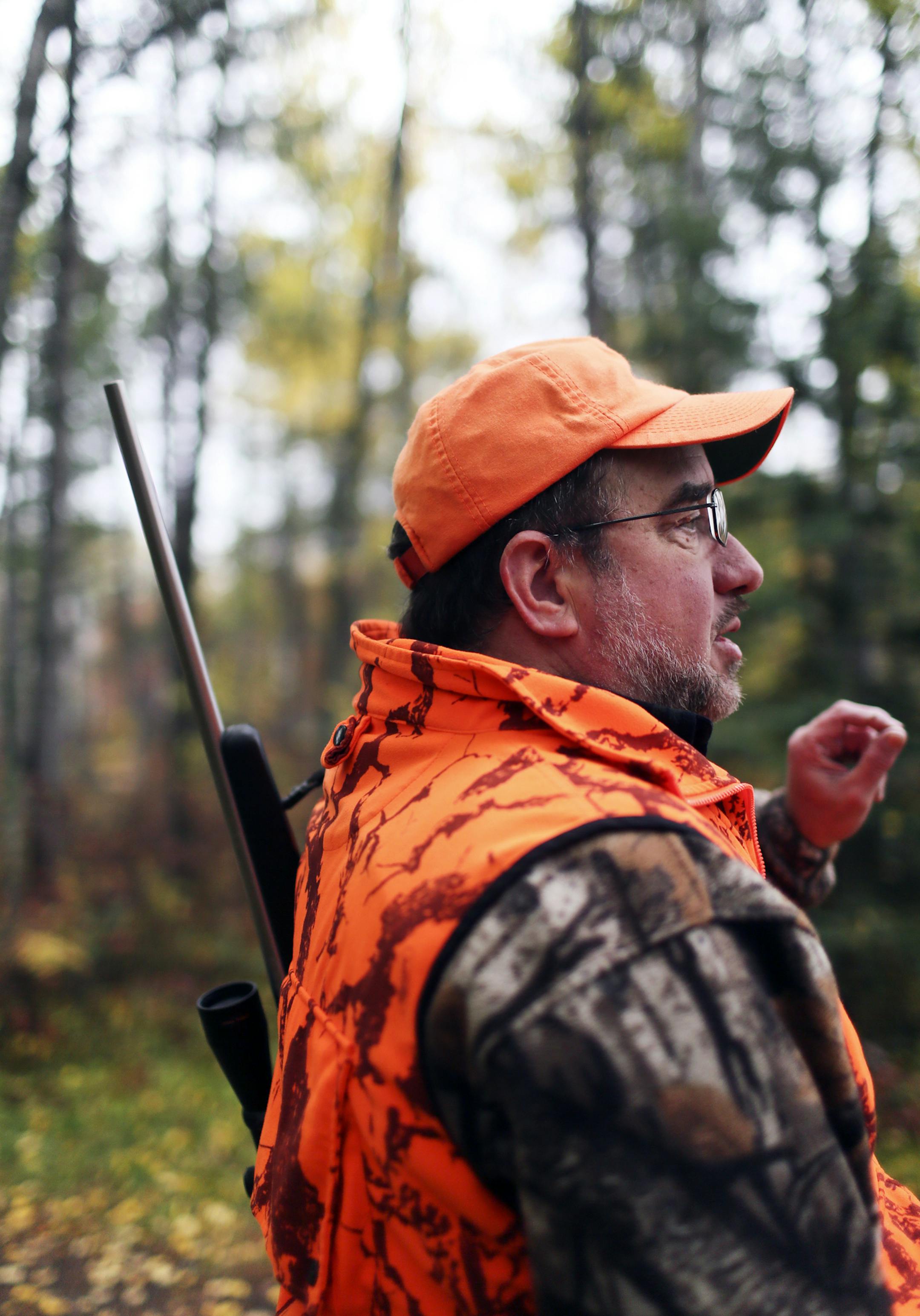
There are many ways to fail at deer hunting. Of the more than 400,000 hunters who will take to woods and fields when Minnesota's firearms deer season opens on Nov. 9, about 280,000 will not kill a deer before the season ends. Many will simply be unlucky. Others will put themselves in poor locations or will shoot badly. Quite a few will pass up opportunities to take a doe or a smaller-antlered deer while waiting for a monster buck to show up — and go home with nothing to show for their choosiness.
One thing that won't factor into hunter failure is a scarcity of deer. There are plenty of deer.
"It's the single most impressive thing about the North American whitetail," says Wisconsin writer Al Cambronne. "There are just so many of them.
This wasn't always the case, says Cambronne, whose new book, "Deerland" (Lyons Press) is an expansive and penetrating exploration of the territory of the whitetail — both literally and philosophically. From a total population of only 300,000 a century ago, U.S. deer numbers have swollen to 30 million. "How many deer are too many?" says Cambronne. "That depends on who you ask."
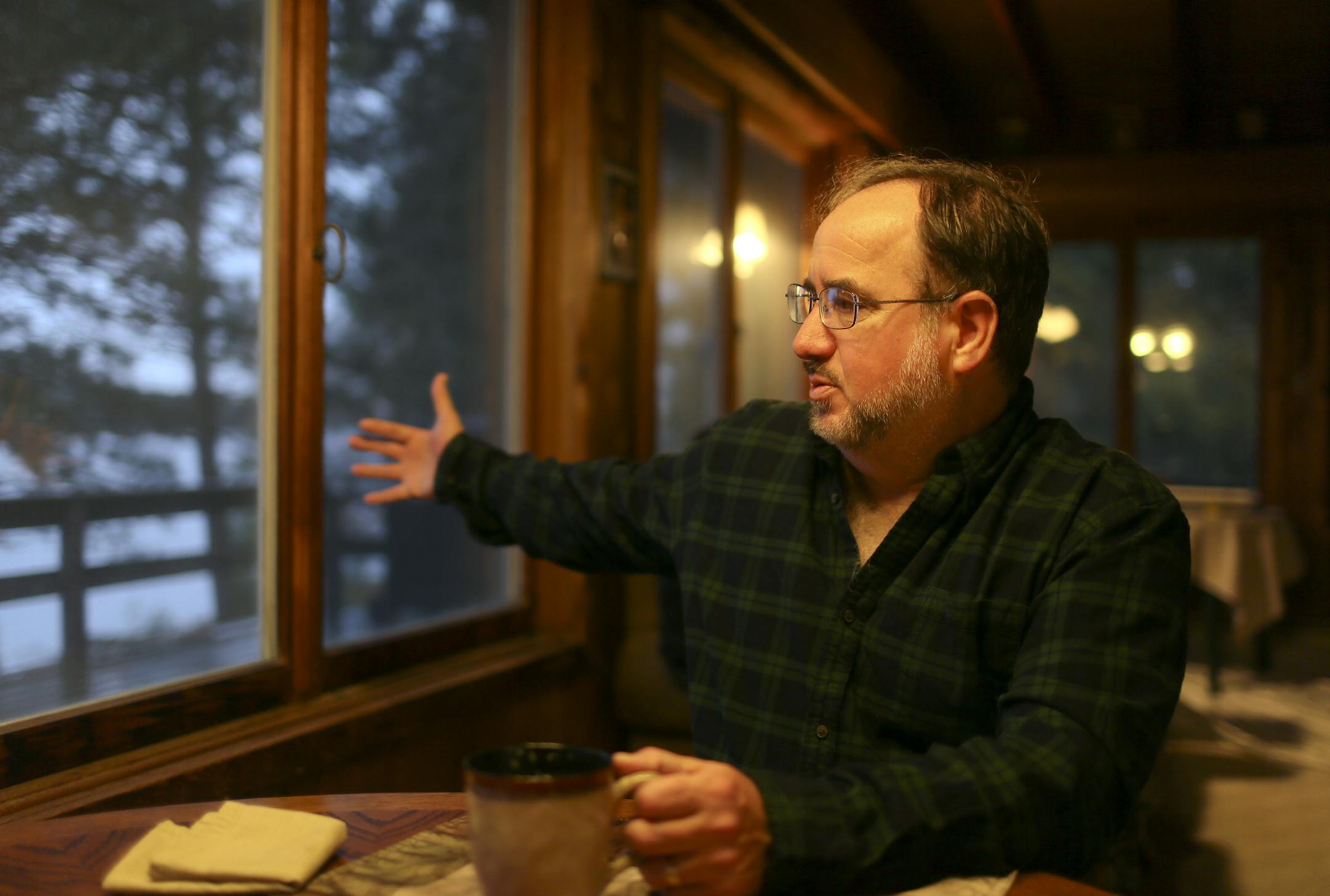
Originally from River Falls, Cambronne, 55, spent his early career studying Chinese and teaching English in Taiwan. For the past few decades, he's worked in corporate training programs and logged his time in the Twin Cities. In 2003, Cambronne and his wife moved to Solon Springs, Wis., where he became an "adult-onset hunter." He started out walking the woods for grouse and within a year began learning to hunt deer. Cambronne was immediately hooked. "The whole experience is great," he says, "but what I really love is venison."
Cambronne says he understands why many hunters are obsessed with trophy bucks — but says he isn't. He's more interested in what's in his freezer than what might go up on the wall. Besides, shooting does is essential.
"Hunting is our best tool for keeping deer numbers in check," says Cambronne, "but only if hunters are willing to harvest does, not just bucks. Some hunters still believe shooting does is wrong. But it's a tradition that has outlived its usefulness."
"Deerland," though it has plenty to say about deer hunting, is not only for deer hunters. Exhaustively researched, it's a thoughtful and engaging hunt for a different kind of quarry: balance in a natural world that we are perpetually unbalancing. Cambronne's investigation of our relationship with an animal that has always symbolized wilderness and that now thrives in the midst of human civilization takes him into every corner of what he calls "the deer-industrial complex," an enterprise so vast, writes Cambronne, that if deer hunting were a single corporation it would be larger than the majority of companies listed on the Fortune 500. Hunters spend more than $30 billion annually on gear and licenses, and most of them are deer hunters.