

With February fast approaching and the state's coldest and snowiest month (January) nearly in the rearview mirror, Minnesota's much-scrutinized pheasant and deer populations have "wintered the winter" quite well throughout the state — at least so far, according to the Department of Natural Resources.
"Last year the winter was definitely a lot more severe all around, in terms of cold and especially snow," said Pete Boulay, a DNR climatologist. "The biggest difference this year is the snow depth. Just about the entire state, save parts of northeast Minnesota, are running below average. We've had stretches of cold weather, but we just haven't had the snow cover."
The "mild winter" is good news for pheasants and deer, as well as hunters who pursue both species, wildlife officials say. That's in stark contrast to last year, when deer and pheasants suffered losses from prolonged bitter cold and, in many areas, deep snow — particularly in much of eastern Minnesota.
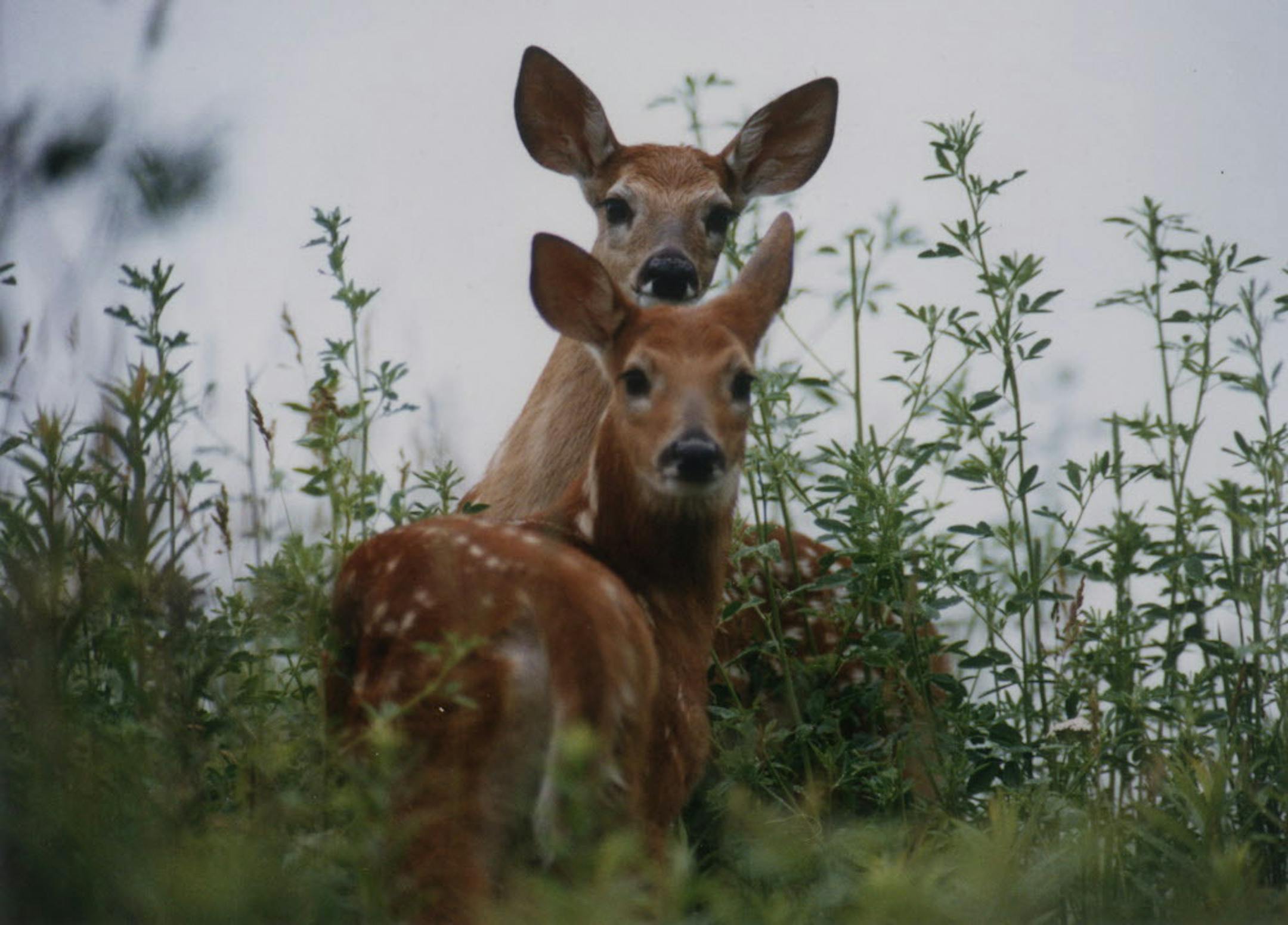
"Last year most of the state had a real tough winter, but this year so far we're faring much better, and that's good for pheasants and deer," said Steve Merchant, DNR wildlife population and regulations manager. "Assuming nothing changes, the table is set for deer for a good spring and lots of fawn production. The same is true for pheasants, though a mild winter isn't enough to offset habitat losses. But a mild winter never hurts reproduction."
The wild card is a late-winter blizzard. "That's the biggest threat, not as much for deer but for pheasants," said Merchant, adding that cold temperatures are less problematic for deer and pheasants than deep snow. "One major snowstorm with high winds can have direct mortality on pheasants."
Pheasants
For Minnesota's languishing pheasant population, a mild winter could set the table for a strong spring breeding effort, said Nicole Davros, upland game project leader for the Minnesota DNR in Madelia. She said hen pheasants that come through the winter in "good body condition" typically lay their eggs sooner (around mid- to late April) and hatch during the summer when insects are most abundant, which can bolster chick survival. "Insects are great sources of protein, and chicks need protein for feather development and building muscle," she said.
During a severe winter with deep snow and cold, pheasants have to abandon winter cover (cattail sloughs and shelterbelts) to search for food, leaving them exposed to the elements and predators. Such activity also depletes their fat and muscle reserves. "Pheasants can hunker down and can go up to two weeks without eating, but they can also lose 50 to 60 percent of their body weight, which makes them less healthy and more susceptible to predators and adverse weather," she said.
Davros said pheasants rarely starve to death during severe winters. "Pheasants aren't like native bird species that have adapted to winter," she said. "Pheasants can die of hypothermia when they're exposed to a significant weather event, oftentimes while they're searching for food. Ice will build up under their feathers and they'll die. Starvation is rarely the cause."


