Anyone got a hankering for some pig brains? Calf blood? Fungus from the fur of a Chinese caterpillar?
For decades, some elite athletes have pushed beyond extreme to the downright bizarre while looking for an advantage. They've ingested all sorts of animal extracts in a never-ending cat-and-mouse game with those who regulate the wild world of performance-enhancing substances.
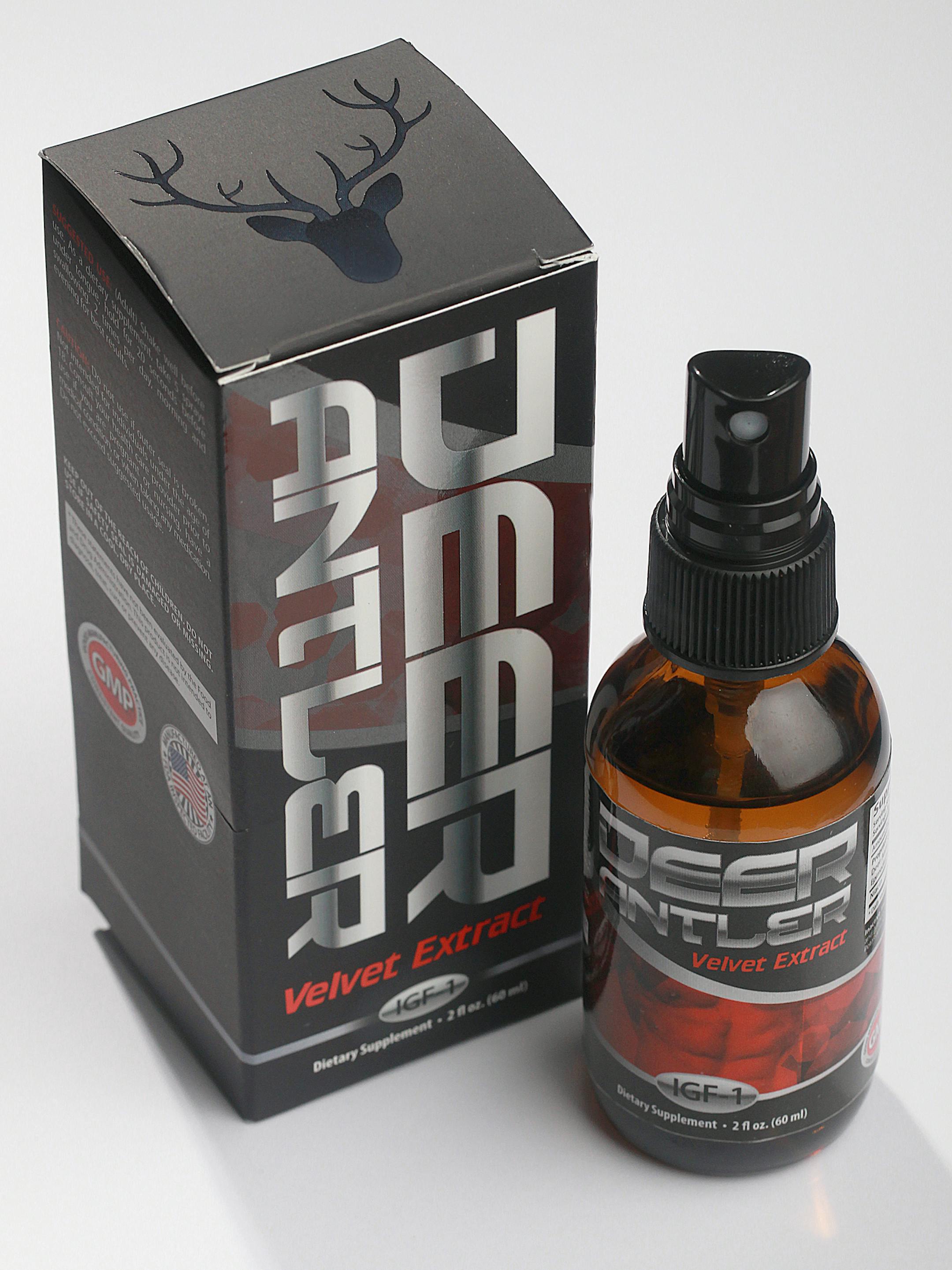
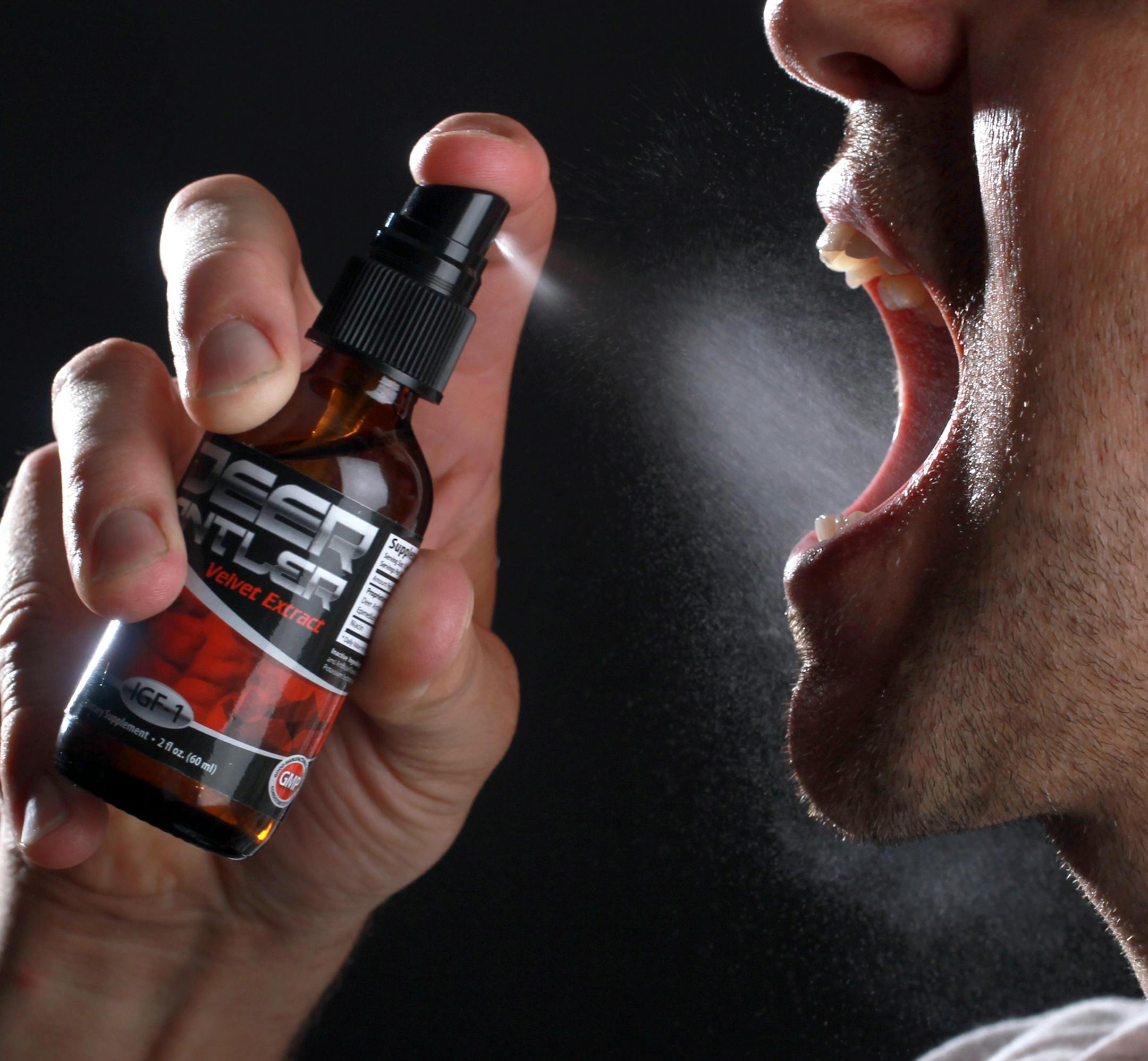
So it's no surprise deer antlers became this year's, um, thorny issue when Sports Illustrated reported during Super Bowl week that Ravens linebacker Ray Lewis might have used deer-antler spray, which contains a growth hormone banned by the NFL. Three months later, on the eve of the PGA Tour's Players Championship, professional golfer Vijay Singh sued the Tour, claiming he suffered "public humiliation and ridicule" after admitting in the same article that he uses the spray, which was banned by the PGA Tour at the time.
Meanwhile, a spike in future use of deer-antler spray and the potential for even more controversy might have been triggered by a new and confusing stance taken by the World Anti-Doping Authority (WADA). In light of its review of the Singh case, WADA said it, "no longer considers the use of deer-antler spray to be prohibited unless a positive test results." The spray's primary performance-enhancing substance — insulin-like growth factor, or IGF-1, a precursor to producing human growth hormone (HGH) — remains on the banned list, but WADA examined deer-antler spray and decided it isn't potent enough to trigger a positive test result.
"We've already seen a spike in usage," said Rick Lentini, Ph.D, CEO of Nutronics Labs and the man credited with introducing deer-antler spray to the United States in the late 1980s. "When WADA and the PGA Tour said it was OK to use, guys ran out the next day and started buying the product."
Taking its lead from WADA, the PGA Tour removed deer-antler spray from its banned list and dropped its sanctions against Singh. IGF-1 remains banned by the PGA Tour, but can be detected only through blood testing, something the PGA Tour doesn't do.
"We ban and test for substances, not products, and IGF-1 is on our banned substance list, as it is on WADA's," NFL spokesman Greg Aiello wrote in an e-mail to the Star Tribune. "Players are advised that they take supplements at their own risk."
On Monday, it appeared the NFL and the players' association were closer to agreement on testing players for HGH. Players were informed by e-mail that they will be given blood tests for HGH when they take their training camp physicals. No discipline would result from the tests, which will be used to determine if players have higher HGH levels. The e-mails were first reported by USA Today.