

Opinion editor's note: Editorials represent the opinions of the Star Tribune Editorial Board, which operates independently from the newsroom.
•••
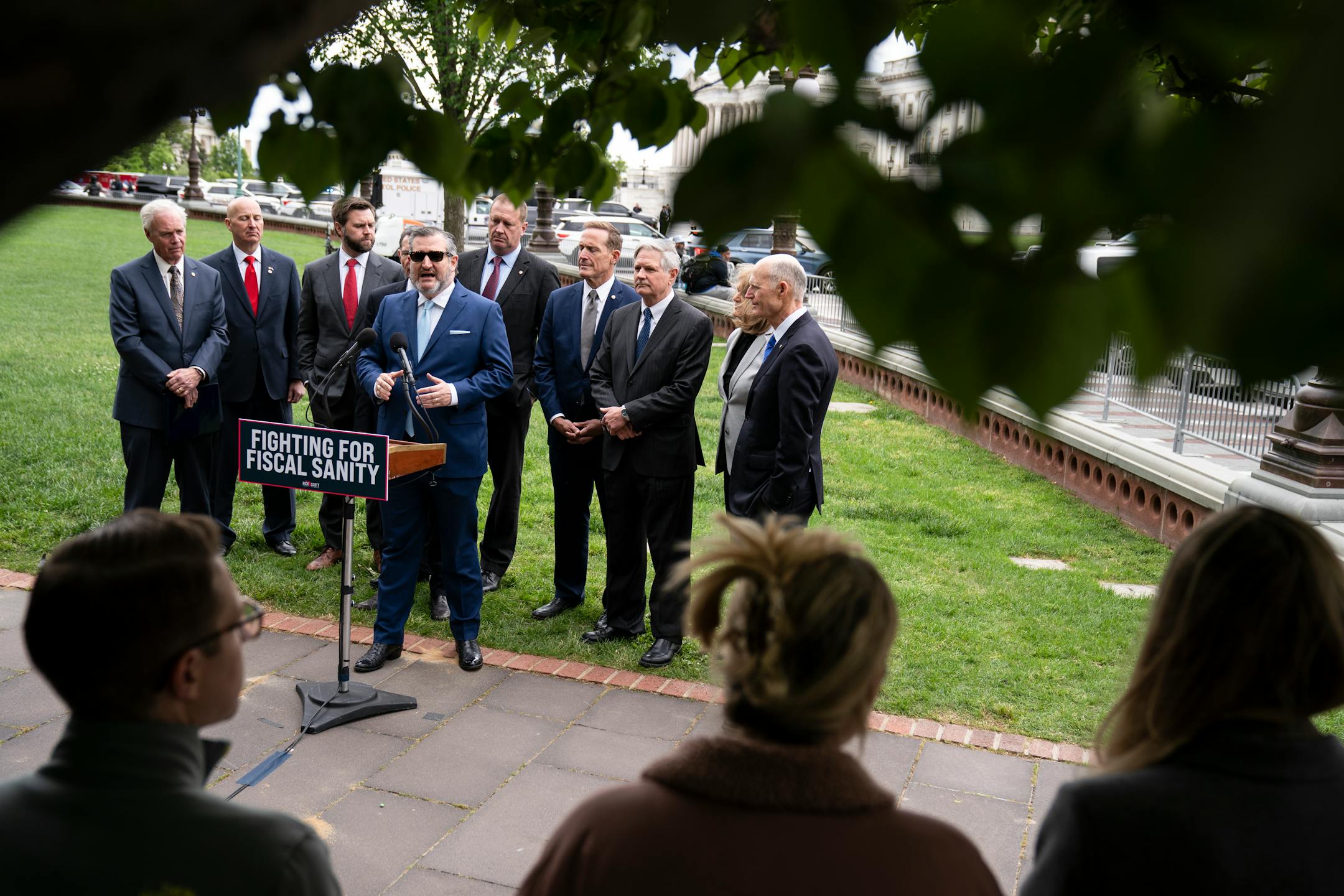
It is possible that within weeks, the unthinkable could happen — the United States could default on its debt.
Think about the implications of that for a moment. That means the wealthiest nation in the world would not pay the money it owes for our collective expenses — spending approved by Congress.
U.S. Rep. Dean Phillips, D-Minn., compared that scenario to "dine and ditch" in an interview with an editorial writer. The nation, he said, "simply cannot allow this to happen. U.S. debt is never questioned. That's what makes it the safest investment in the world."
The reason it's never questioned, said Louis Johnston, an economist and professor at the College of St. Benedict and St. John's University, is because of the 14th Amendment. That legislation was passed in the wake of the Civil War and was intended, among other things, to ensure that the U.S. would never default on its obligations.
"That has made us the foundation for the entire global financial system," Johnston said. "We are the benchmark for everybody around the world. If that goes, it throws a wrench into the entire international financial system." Because it's never happened before, the consequences are hard to predict. But, he said, "Interest rates would shoot up dramatically. The gains made on inflation could be wiped out. There would be a big slowdown in business and consumer spending, leading to certain recession, to say nothing of the worldwide impact."
Johnston said there has always been a direct conflict between the 14th Amendment's public debt section and the statutory ceiling law, enacted during World War I to assuage isolationists about the war's cost. But the ceiling, with a few high-stakes bumps, has always been suspended, allowing the nation to pay for expenses already incurred and avoiding a collision with the Constitution.


