

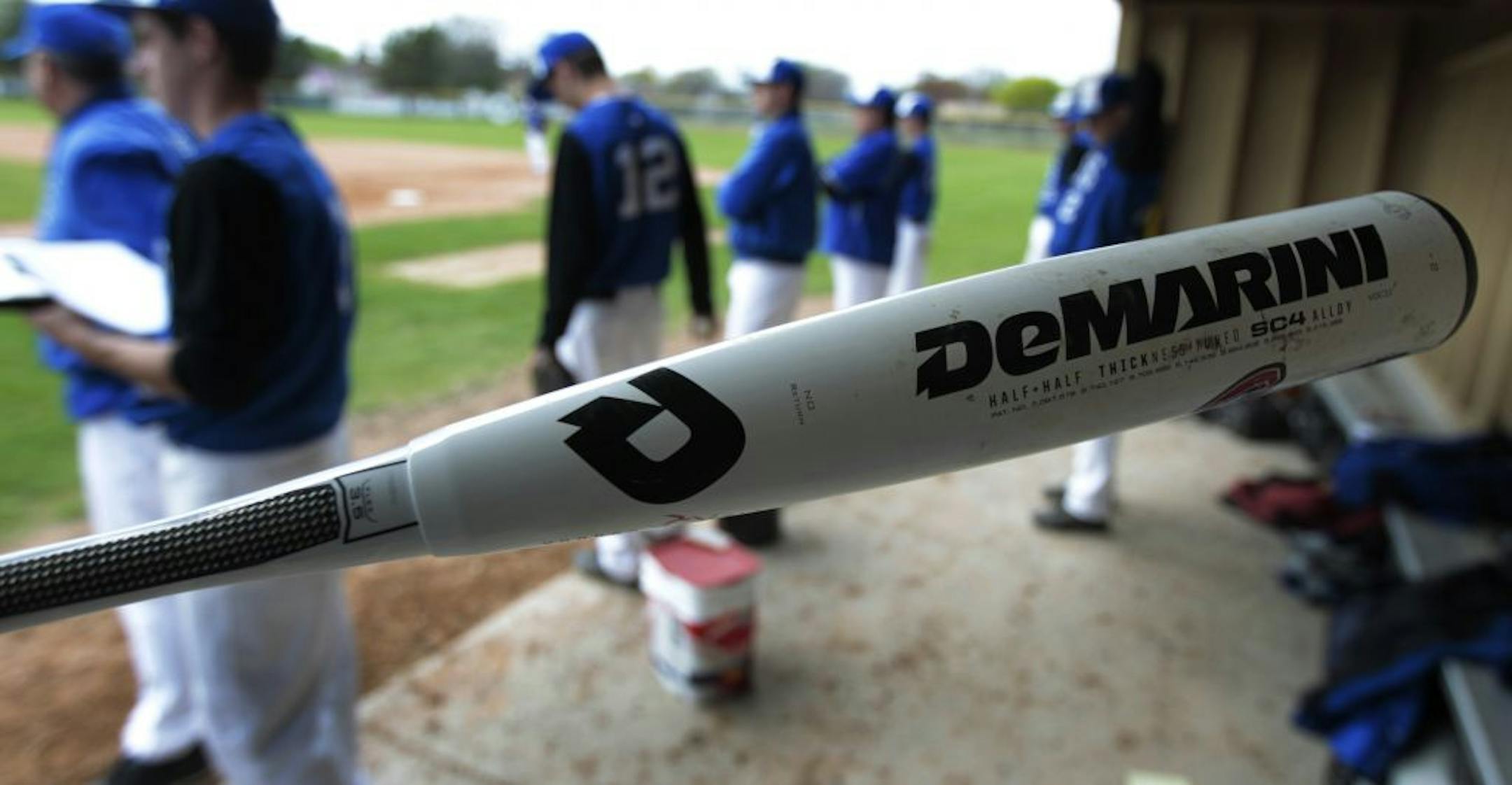
It doesn't take long to recognize what has changed this spring in high school baseball. The sound of the bat gives it away.
At the moment of contact, an unfamiliar sound fills the air. It rings like a mix of metal and wood on diamonds throughout Minnesota and the rest of the country. But what happens next is the real change.
Baseballs travel shorter distances and at slower speeds than they did a year ago. Taking the sometimes lethal edge off wicked line drives is the intended result of the new BBCOR-certified bats, first introduced at the college level last year, in the latest effort to improve player safety.
There's no argument: The game is different. Subdued hitting statistics and boxscores with fewer runs scream change.
"We've scored eight runs in three games and we are undefeated," Minnehaha Academy coach Josh Thurow said after his team's third victory of the season. "And we've only given up one run. It's tough to score."
Balls hit in the gap are no longer certain extra-base hits, St. Anthony Village coach Troy Urdahl said. Deep flies are falling into outfielders' gloves instead of over the fence, Minneapolis Washburn coach Jim Clancy added.
Bunting and base stealing have become more prevalent as teams try to manufacture runs. Finding ways to score has left some coaches perplexed, and the lower scores have put a premium on defense. Pitchers have benefitted.
"It's definitely on the forefront of our minds," Eastview coach Tom Strey said. "[The players] are used to playing the game with the old bats. Now they come in and say, 'Oh, that would have gone out last year.' So we're trying to adjust."


