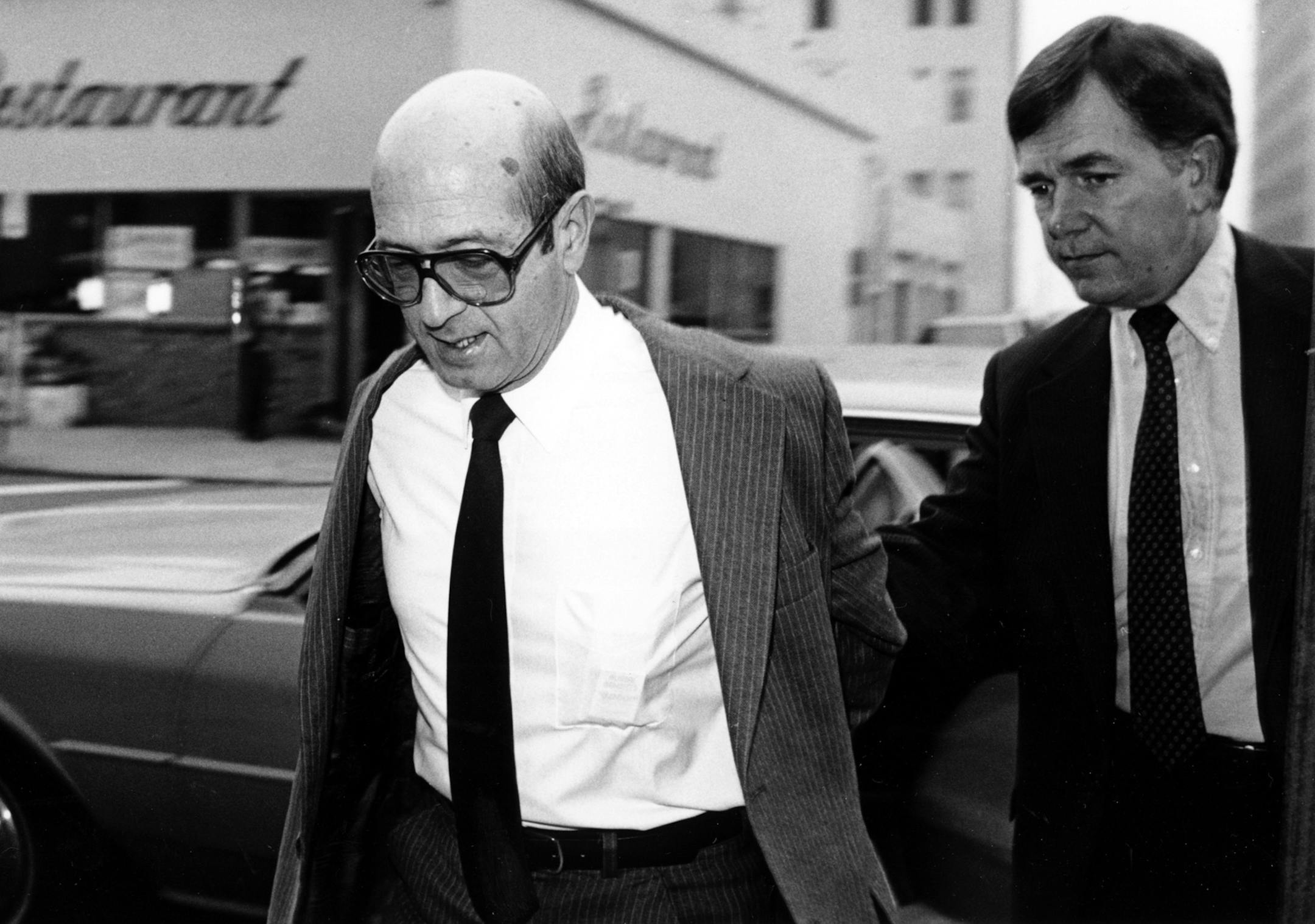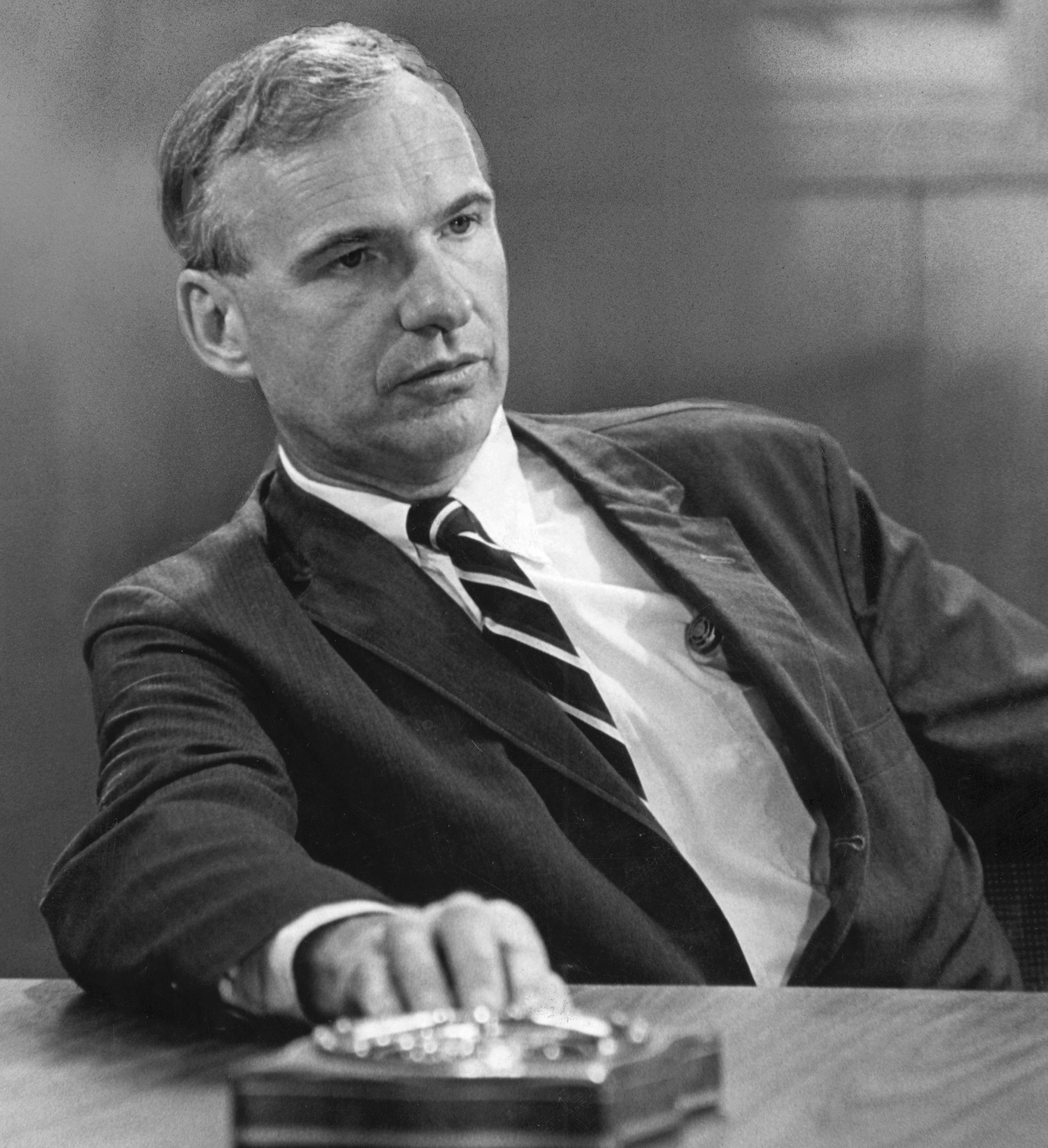
Arthur J. Walker, 79, was a conspirator in one of the biggest U.S. spy cases since World War II and a surprisingly trusting soul.
When FBI agents wanted to talk to him in 1985 after arresting his brother John on suspicion of espionage, Walker voluntarily chatted for a total of 32 hours — without a lawyer.
When a prosecution witness had a hard time identifying him in a Virginia courtroom, he helpfully raised his hand. He had been wearing a hairpiece when the witness last saw him.
And even after U.S. District Judge J. Calvert Clarke Jr. took all of 16 minutes to convict him of espionage, Walker asked his astonished attorney, "What do you think, maybe a two-year suspended sentence? I won't have to go to prison, will I?"
He was given a life term, but under federal sentencing guidelines that were stiffened after his conviction, he was eligible for parole. Another hearing was set for August.
Walker, who made $12,000 for selling classified documents to Soviet agents through his brother, died July 5 in a federal prison in Butner, N.C. His death was confirmed by the Federal Bureau of Prisons. No cause was disclosed.
When the family espionage ring was uncovered, John was cast by authorities as its amoral mastermind, a manipulator who got his son Michael, his older brother Arthur and his best friend Jerry Whitworth to join him.
Arthur, a retired Navy lieutenant commander, seemed to be a small fish. He was convicted of stealing two sets of documents, both with the government's lowest classified designation, from a Virginia defense contractor that employed him as an engineer.