

By Patrick J. McDonnell Los Angeles Times
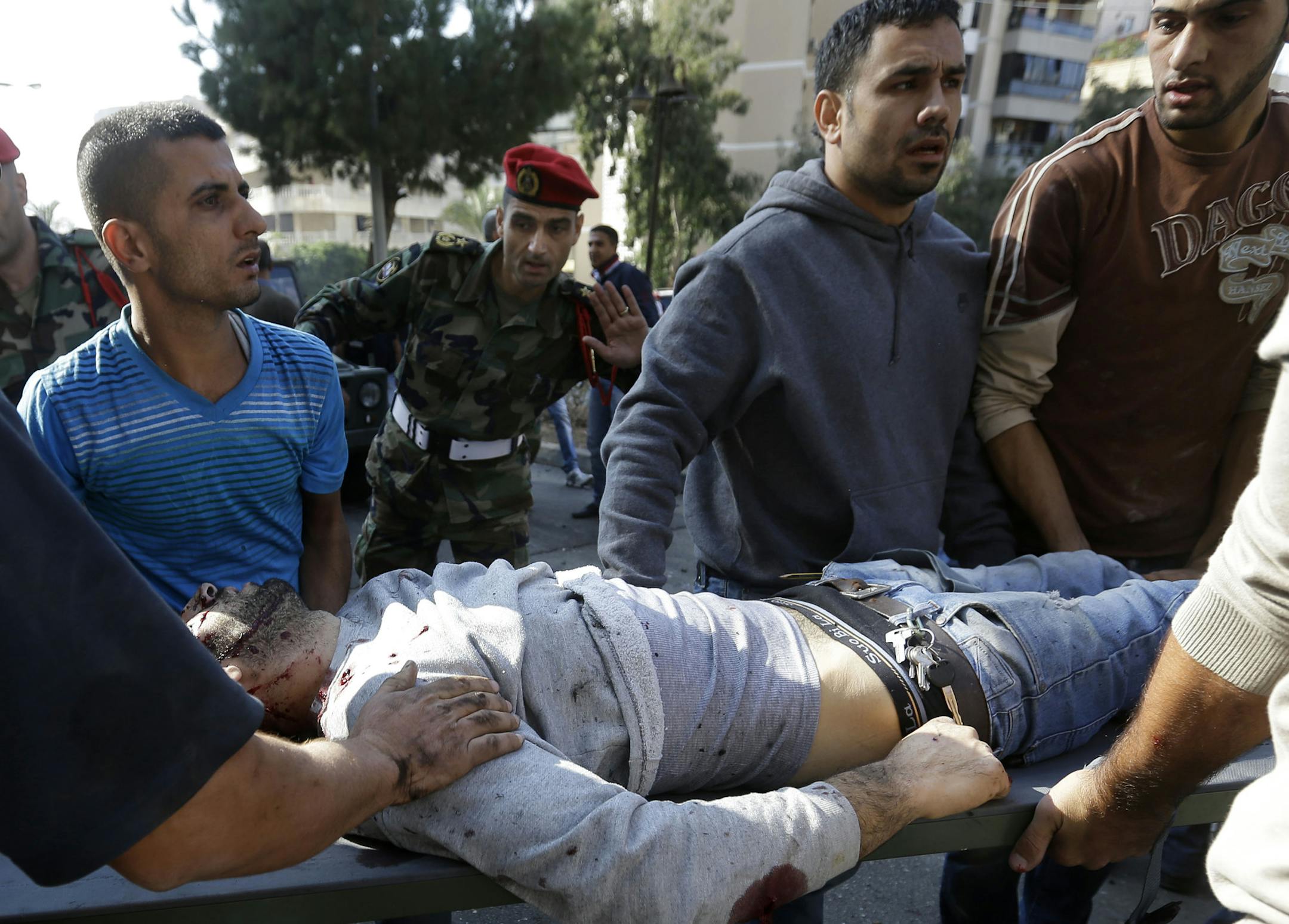
BEIRUT – A pair of suicide bombings at Iran's embassy that killed an Iranian diplomat and at least 24 other people underscored how the violence in Syria has traversed borders and fanned sectarian tensions across the Middle East.
Lebanon has long been a secondary theater of the Syrian conflict, but Tuesday's twin blasts in Beirut were notable as a blow aimed directly at Iran, one of the major foreign backers of the embattled government of Syrian President Bashar Assad.
Beginning with peaceful protests that challenged Assad's autocratic rule, Syria's strife has devolved over the past 32 months into a regional proxy war stoked by sectarian malice. It has cost tens of thousands of lives, forced millions from their homes and left broad swaths of Syria in ruins — while exporting instability into neighboring nations.
Tuesday's attack was just the latest signal that the war raging inside Syria cannot be contained within its borders.
"Once we see a flare-up of the tension that is boiling in Syria, there will be hardly a possibility of stopping it at the Syrian border [or] even within the Middle East," Iranian Foreign Minister Mohammad Javad Zarif said.
The attack was the fourth bombing in Lebanon since July linked to the war in Syria. Violence tied to the conflict has also erupted in Turkey and Iraq. Tensions between Islam's two major branches, Shiite and Sunni, have come to a head inside Syria, with Shiite Iran supporting the government of Assad, a member of the Alawite sect, considered a Shiite offshoot. On the other side, Saudi Arabia, Turkey and other Sunni nations back the mostly Sunni rebels, whose ranks include ascendant Al-Qaida-linked groups.
Iranian officials vowed that the bombing would not deter their support for Assad or for Tehran's Lebanese ally, Hezbollah, which has dispatched militiamen to Syria to fight alongside Assad's forces.


