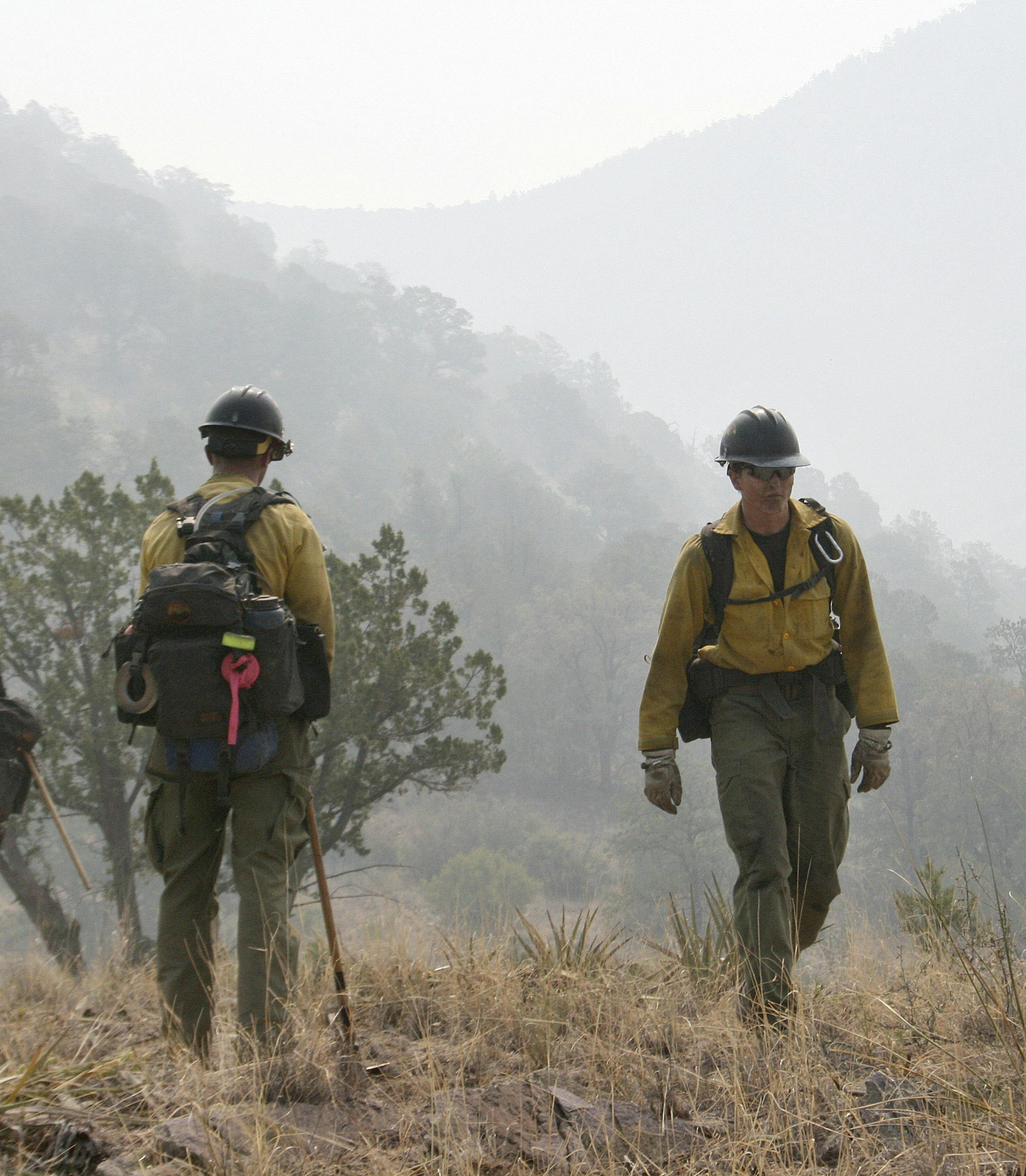
A few seasons ago, on a smoke-tinted evening in a fire camp in northern California, I wept. Didn't expect to, but a lone bagpiper sighed into "Amazing Grace," and I didn't see an unstained cheek among 150 people. The previous week, a wildland firefighter had been burned over and killed on the incident. I never met him and wasn't in the vicinity, but when the pipes lay into you …
I was unsure who or what I was crying for: the dead man, his survivors, myself, firefighters in general, the unforgiving nature of life and death for all?
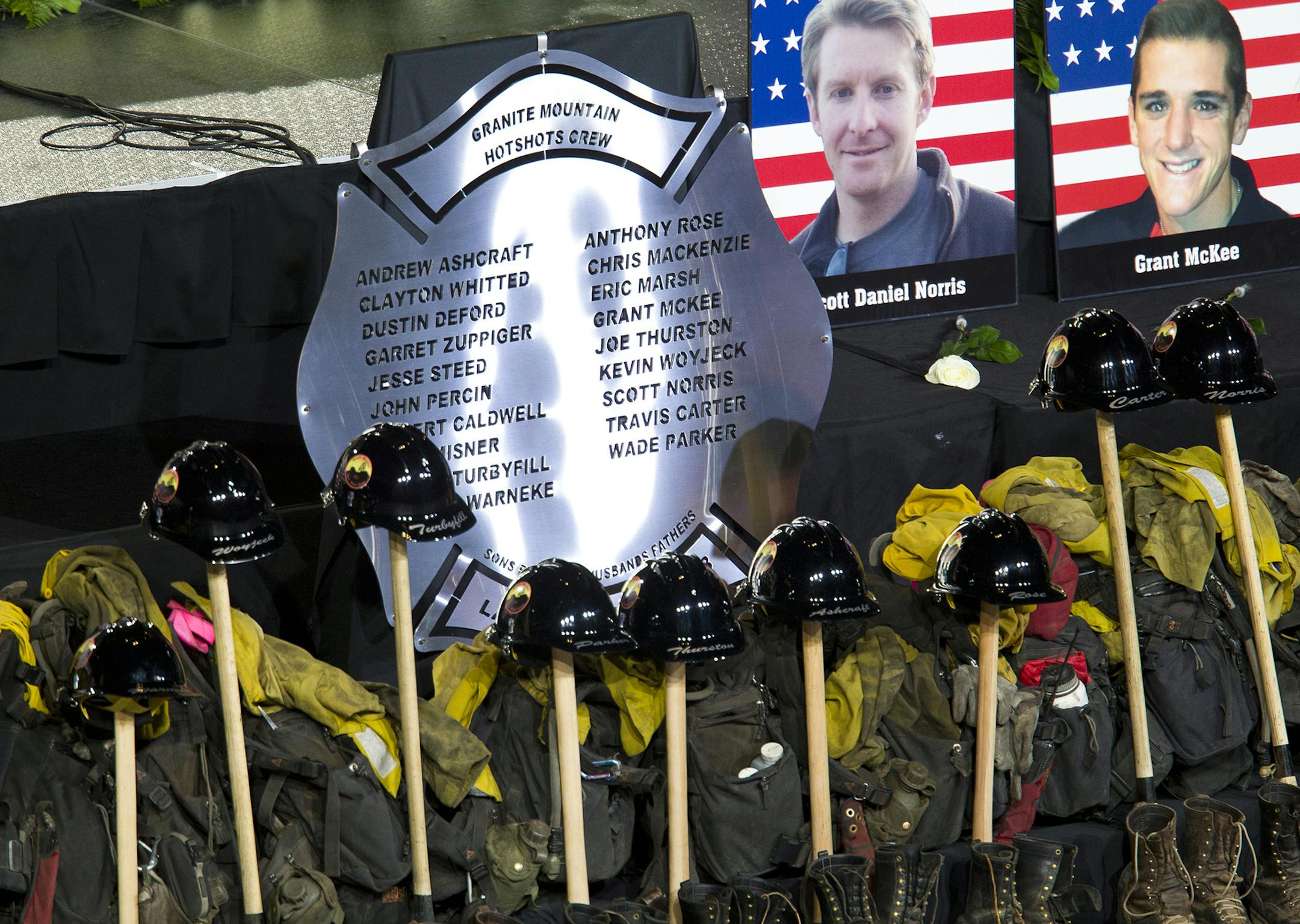
Similarly, two weeks ago, when I heard about the 19 members of the Granite Mountain Hotshots who were entrapped and killed in Arizona, one of my first reactions was an undifferentiated anger. At what? At whom?
There's history here. On Aug. 5, 1949, at Mann Gulch in Montana, 13 U.S. Forest Service firefighters were caught on a 75 percent slope in fine, flashy fuel, and lost an uphill race to relative safety on the lee side of the ridgetop. On July 6, 1994, I remember standing in our living room when I heard a radio report that 50 of my colleagues were missing on a wildfire at Storm King Mountain near Glenwood Springs, Colo. My knees actually softened, and I sat heavily on the sofa. Soon it was clear that 14 had died, caught on a steep slope in volatile fuel, losing a race to the crest of the ridge.
The wildland fire community was stunned. Similarities between the two events prompted a question: Did we learn nothing in 1949, or if we did, had it been forgotten?
Two weeks later, I was dispatched to a large fire in Washington state, and the altered mind-set was palpable. One reason that particular fire got big was because leaders on the incident were suddenly risk-averse, with crews held back from aggressive suppression tactics that would have been par for the course the month before.
In 1995, in response to the slaughter at Storm King (and remembering Mann Gulch), the Forest Service convened the "Human Factors Workshop" in Missoula, Mont. In addition to veteran fire ground leadership, participants included psychologists, sociologists and military trainers. Their purpose was neatly encapsulated by a headline in a local newspaper: "After 80 Years of Studying Fire, The Forest Service is Now Studying Fire Fighters."
In other words, why do fire personnel under stress react, decide and think the way they do? And how may human behavior be modified when need be? One example: Firefighters trying to outrun the flames at Storm King did not jettison heavy packs and tools, when common sense (and later testing) indicate you can move up to 30 percent faster without the weight. Why?