WASHINGTON — Aaliyah Manning's dreams of becoming a psychologist ended abruptly during her freshman year at Potomac State in West Virginia when the cost of continuing her education became overwhelming.
"The money just wasn't there," said Manning, 25. "I knew I wasn't going to finish so I just had fun."
After a year, she was back in the nation's capital working fast food jobs. Now she lives largely on public assistance in a two-bedroom apartment with her boyfriend, his mother and his 9-year-old daughter from another relationship. She still has student debt and there's a baby boy on the way.
She sees a brighter future for that baby, thanks to a landmark social program being pioneered in Washington. Called "Baby Bonds," it will provide children of the city's poorest families with up to $25,000 when they reach adulthood — for use on multiple purposes, including education.
"It would be such a different opportunity for him, a lot different than what I had," she said.
The Baby Bonds idea has swiftly moved from a fringe leftist concept to actual policy — with the District of Columbia as first laboratory. Lawmakers from coast to coast are monitoring the experiment, one that proponents say could reshape America's growing wealth gap in a single generation if instituted on a federal level.
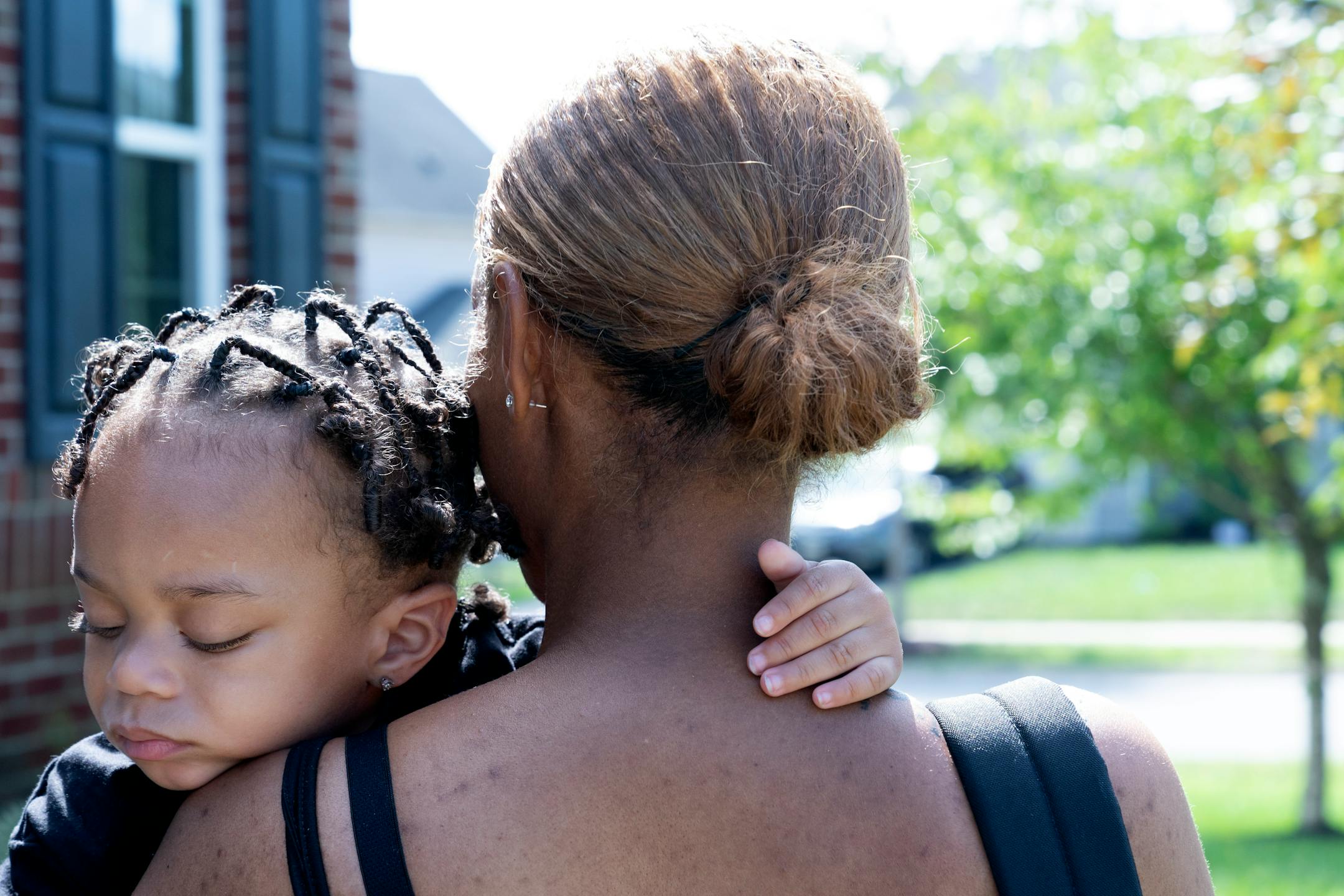
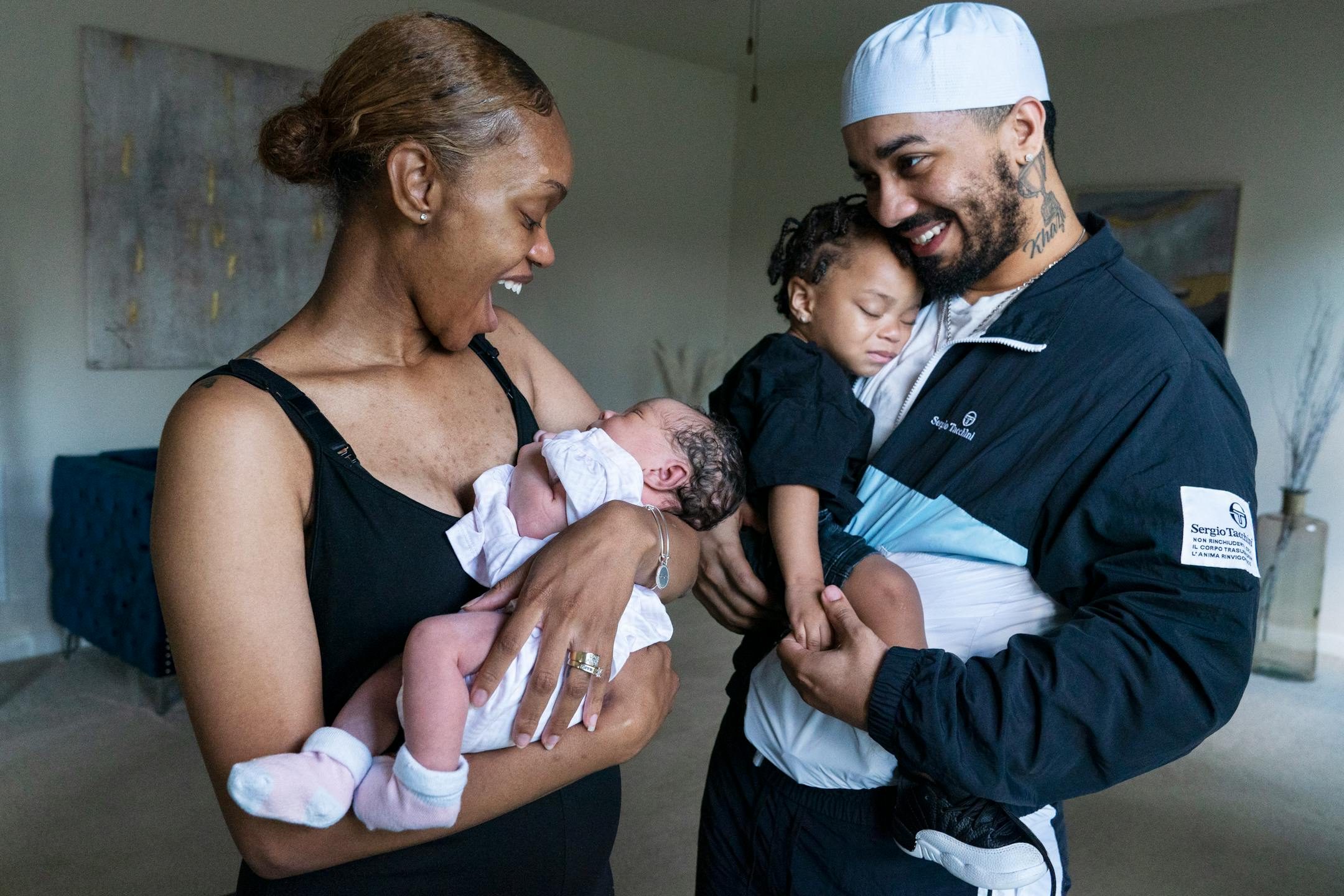
One week after giving birth to her second child, a daughter named Kali, Aaliyah Wright said she didn't anticipate having much savings to help her children when they reached adulthood, especially with about $80,000 in college loan debt.
She and her husband, Kainan, are on Medicaid despite steady jobs (she's a case worker at a nongovernmental organization and he's a barber) and an estimated annual income around $70,000.