

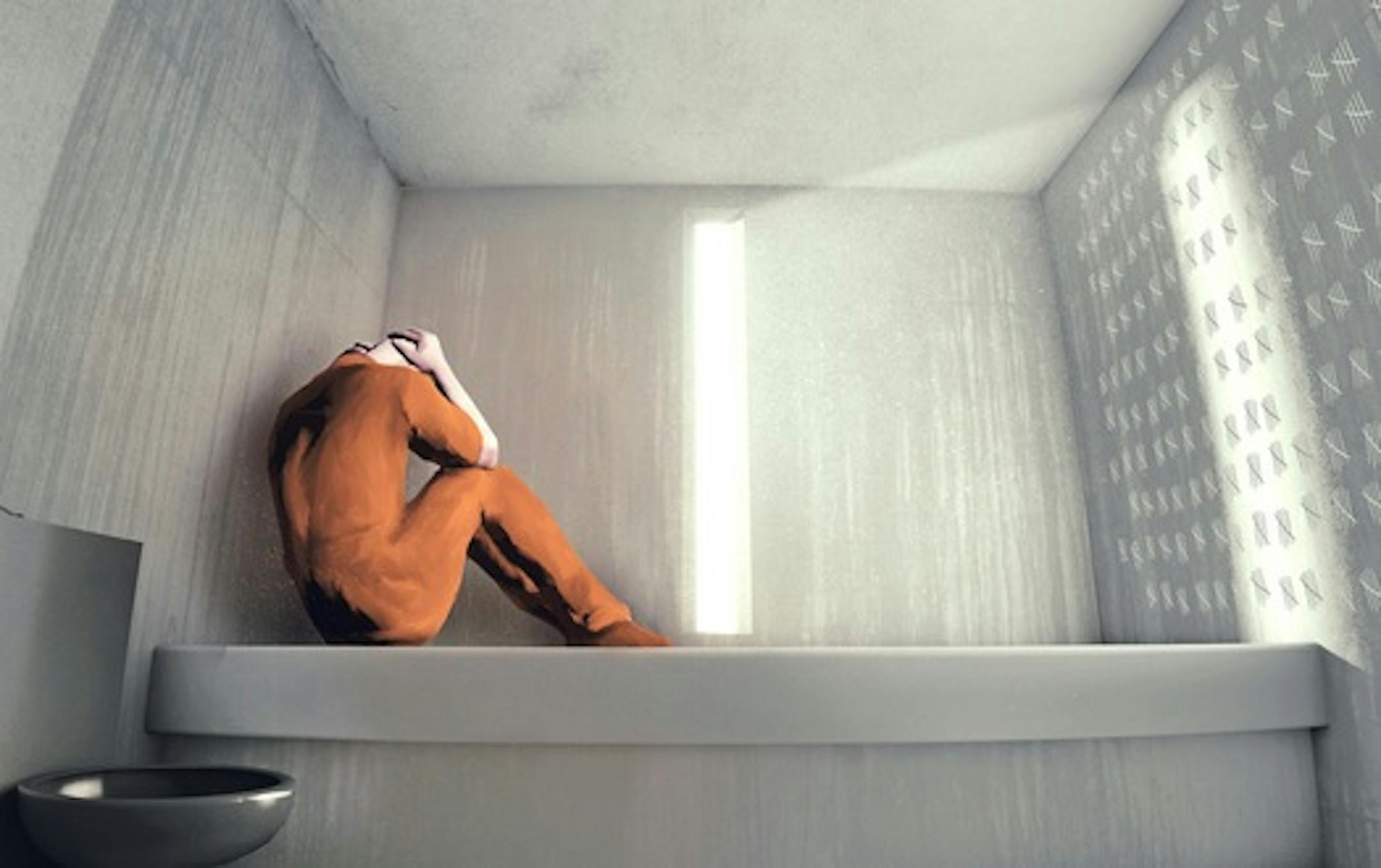
Gov. Mark Dayton and state corrections officials are at odds over how to implement solitary confinement reform in Minnesota prisons.
The Department of Corrections won't support the reboot of a bill brought last year that would mandate statewide changes, instead favoring new internal policies, said spokeswoman Sarah Fitzgerald.
But in a news conference Friday, Dayton said he backs a law change. "Absolutely I would support the reforms," said Dayton. "I'm not aware of the particulars, but I think it's brutal. And it may be necessary as an inmate control tool, but it's got to be used very, very selectively."
Minnesota is among a minority of states with no laws that address long-term isolation. In 2017, Rep. Nick Zerwas, R-Elk River, led the charge on a bill that would have limited the length of solitary confinement, banned the practice for mentally ill inmates and instructed prison officials to report yearly data to lawmakers about the practice. It would also have ended the practice of releasing people from prison directly from solitary — an issue Dayton expressed concern about Friday.
"To have people leave from solitary confinement right into society when they're paroled is just really asking them to make an almost impossible leap back into society," Dayton said.
A pared-down version of the bill passed the House last year, but failed in final negotiations. Zerwas said the bill still has Republican support in the House, and he's hopeful to move a measure forward this year that would create checks on how frequently the department uses the punishment of isolation, which the United Nations has labeled torture after 15 days.
"I think this is really an important discussion we continue to have at the Legislature," said Zerwas. "I'm not here to micromanage how the Department of Corrections operates their solitary confinement or segregation program. What I'm here to ensure is that we have accountability and we have transparency in how it's being used. And, quite frankly, right now we have neither."
The push for reform came after a December 2016 Star Tribune investigation on prisoner isolation in Minnesota.


