

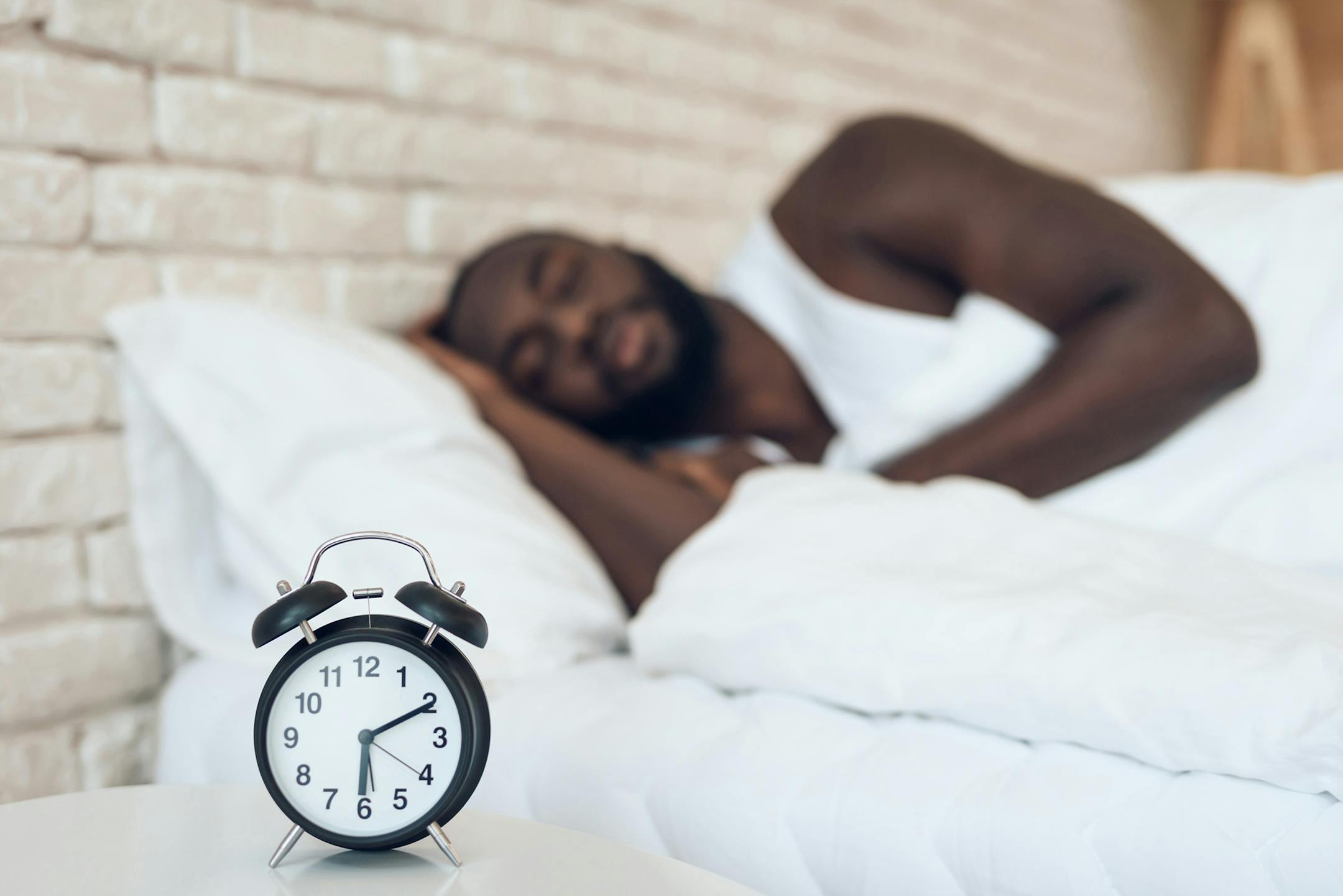
Daylight saving time changes have a knack for wrecking people's sleep schedules, but they don't have to, according to the Farmers' Almanac.
The U.S. has once again nearly reached the end of another daylight saving time.
The annual tradition this year is set to end at 2 a.m. on Sunday, requiring Americans to set their clocks back one hour. Daylight saving time has been ongoing since March 13 this year.
The practice of moving clocks ahead or back one hour each year has deprived many Americans of sleep for decades — so much that some state and federal lawmakers have tried to stop it. So far, their efforts have not been exactly fruitful.
Here are five tips the Almanac suggests people try to stave off daylight saving fatigue.
Good bedtime habits
In the days after the time change, stop drinking caffeinated beverages four to six hours before bedtime. Avoid alcohol in the evening. Also, if you exercise, avoid workouts within four hours of bedtime. Working out raises your body temperature temporarily, which can make it harder to fall asleep.
Get consistent sleep

