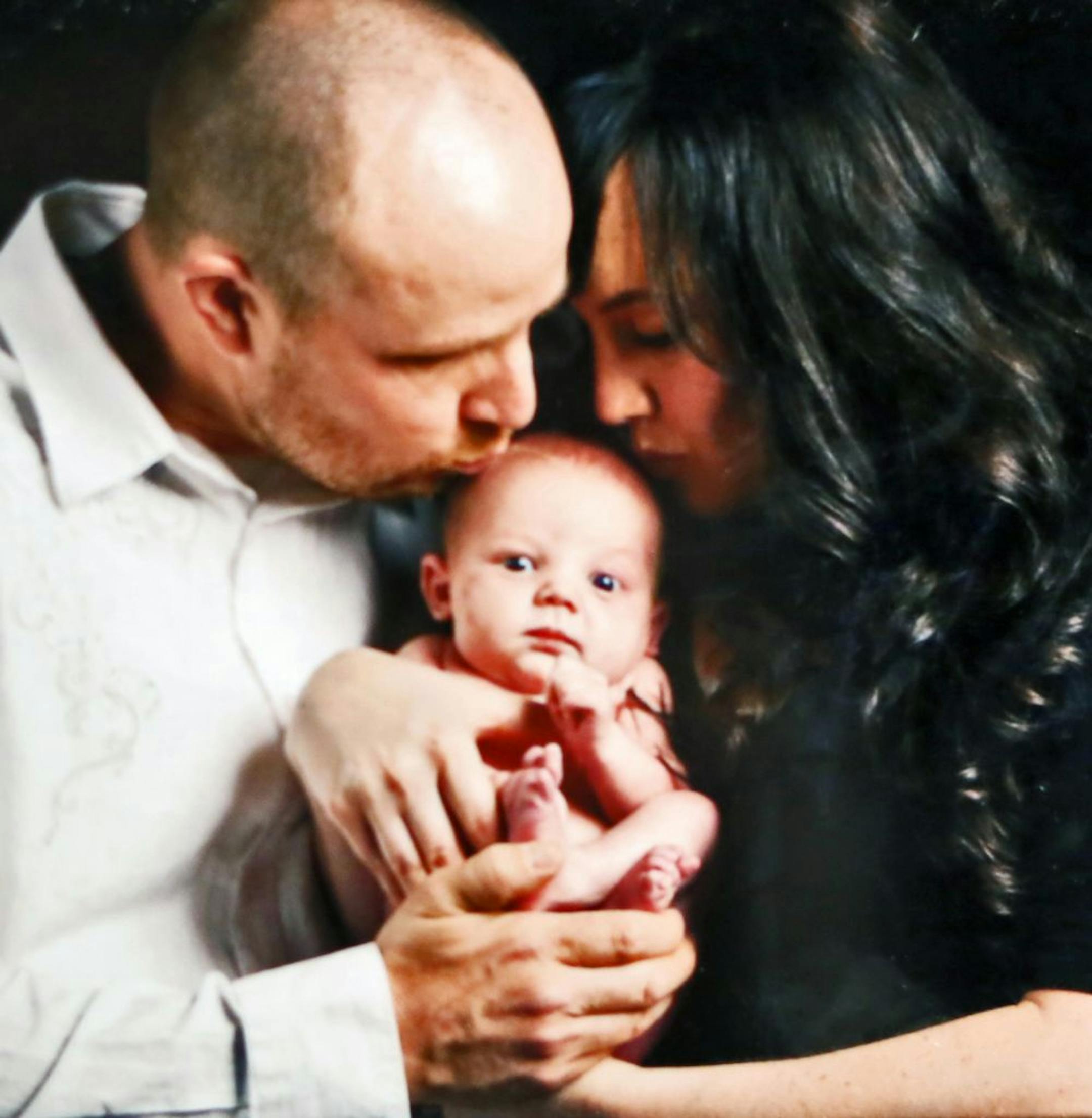
A 64-year-old Eagan day-care provider has been charged with manslaughter and trying to mislead investigators in connection with the death of a 3-month-old child in her care last summer.
Beverly Greenagel was charged Tuesday in Dakota County with felony manslaughter and three misdemeanors related to the Aug. 18, 2011, death of Dane Ableidinger -- a death authorities believe was preventable.
The infant died after Greenagel placed him face down on a heavy blanket on a bedroom floor for a nap, and then didn't check on him for as much as an hour as she looked after 19 other children, according to court records. The arrangement violated numerous safe-sleep standards required by state licensing authorities to reduce the risk of infant deaths.
"It is always disturbing to see children die under any circumstance," Dakota County Attorney James Backstrom said, "and it appears that proper monitoring and care could have avoided this tragedy."
Ableidinger's death contributed to a sharp increase in Minnesota child-care deaths in the past five years. The state has recorded 82 deaths in licensed day-care homes since 2002, with about two-thirds occurring since 2007. A Star Tribune investigation of the trend has prompted the state to review the deaths and its child-care safety standards.
Jerry Kerber, inspector general for the Minnesota Department of Human Services, said Wednesday that his agency hopes that criminal prosecution in the Greenagel case "will help all child-care providers recognize the serious nature of complying with safe sleep requirements for infants and the importance of not exceeding licensed capacity."
Criminal charges against child-care providers are unusual in Minnesota, in part because there are no witnesses to explain why sleeping infants die. In many cases, providers have lost their licenses; some were even cited for maltreatment by licensing authorities but not charged by prosecutors.
In the Eagan case, Backstrom said the charges are supported by physical evidence from Greenagel's home, along with medical testing that ruled out diseases or genetic defects as contributors to the death.