"So what do you think of New York City?"
Toss out this little query and you are guaranteed an earful of anything but ambivalent responses. Some will turn all Frank Sinatra on you, crooning about the town as if you haven't lived until you experience the bright lights and big energy of Gotham. Others, however, will twist their face as if they've just swallowed a lemon and deplore, "Interesting place to visit, but couldn't wait to get out of that concrete jungle."
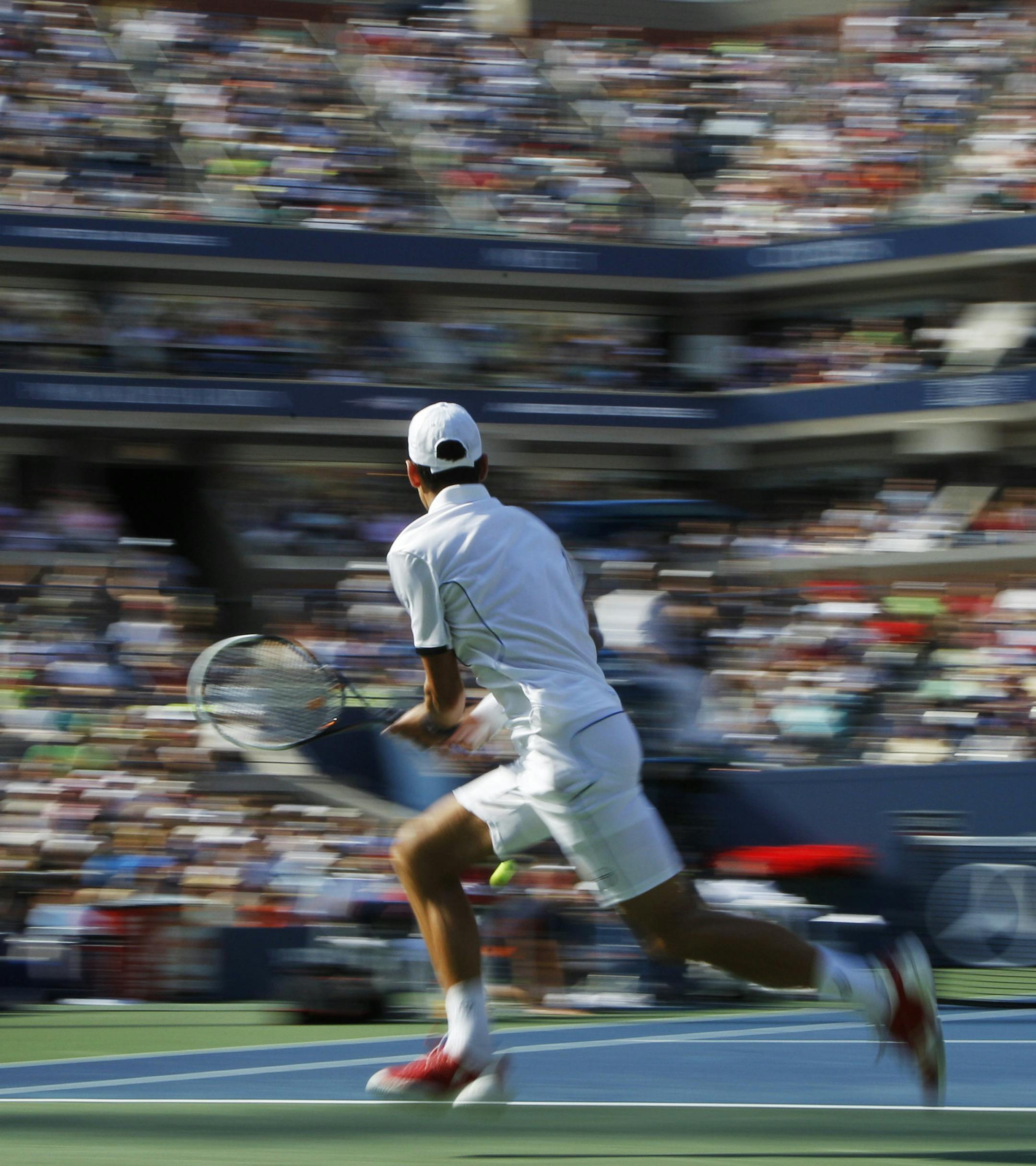
So it shouldn't be too surprising that the U.S. Open, held just across the East River from Manhattan in New York City's easternmost borough of Queen's on Long Island, elicits the same kind of boon or bane reaction from players.
Some see the year's final major as a kind of obligatory drudgery. The cacophony of the city and site makes for a distasteful experience. To them, Wimbledon and Roland Garros inspire, but the U.S. Open just tires. And yet they make their way to Flushing Meadows nonetheless — there is too much prestige and prize money at stake to do otherwise. This grin-and-bear-it attitude usually results in a flight home to more comfortable environs before the end of the first week.
Others, though, view the commotion as their calling. Boisterous crowds, late-night matches, noisy planes, congested roads and practice courts — these are opportunities to overcome, not obstacles to avoid. For them, it's a matter of discipline in the midst of distraction, of mind over Manhattan. Only this outlook will give one the chance of being in the hunt after Labor Day.
Where both sides would agree is the U.S. Open presents the sternest of tests. By this time of year, players are bruised physically and drained mentally after eight months of tournaments and travel. The hard courts and heat only exacerbate the adversity. Winning seven consecutive matches over two weeks in these conditions is not possibile for the faint of heart.
It's been a summer of surprise heading into America's Grand Slam event. Almost as shocking as Serena Williams losing in the fourth round of Wimbledon was 28-year-old Frenchwoman Marion Bartoli winning the title and then retiring from the sport last week after a first-round loss in Cincinnati, citing chronic injuries. Talk about going from the top of the game to out of it in a very short period of time.
World No. 1 Williams, nearing 32 years old, has no such exit strategy. The four-time Open winner and defending champ enters New York with a 60-4 record on the year, including one title and a runner-up finish in the two hard-court events she has played since Wimbledon.