

If Minnesota Nice is the favored descriptor for the people and culture in the Land of Lakes, then let me suggest a contrasting label -- New York Hard -- for life in the Big Apple.
With that in mind, it should come as no surprise that the biggest tennis tournament in America held in the biggest city in America would be any different. Indeed, the U.S. Open is hard, very hard.
The court surface is hard and jarring to the body. The timing is hard as the final major in a long season. The conditions are hard in the late-summer sun. The schedule is hard with late-night matches and the semifinals and final being played back-to-back. The city is hard with congestion and crowds. Even the venue is hard, all concrete and steel.
And this year, the U.S. Open will be even harder.
In normal years, players would have seven weeks after Wimbledon to get some rest and then rev up for the arduous hard-court season.
But this year, smack dab in the middle of those seven weeks, a "fifth major" was played in London -- at the Olympics. If you thought the Triple Crown of horse racing goes snap-snap-snap, then maybe this summer's tennis tour goes snap-crackle-pop ... fall over. When you throw in the Olympics, players never had more than three weeks between majors beginning with the French Open.
That must be how Spain's Rafael Nadal is feeling right about now having fallen over, so to speak, with a bum knee that caused him to pull out of the Olympics and the U.S. Open.
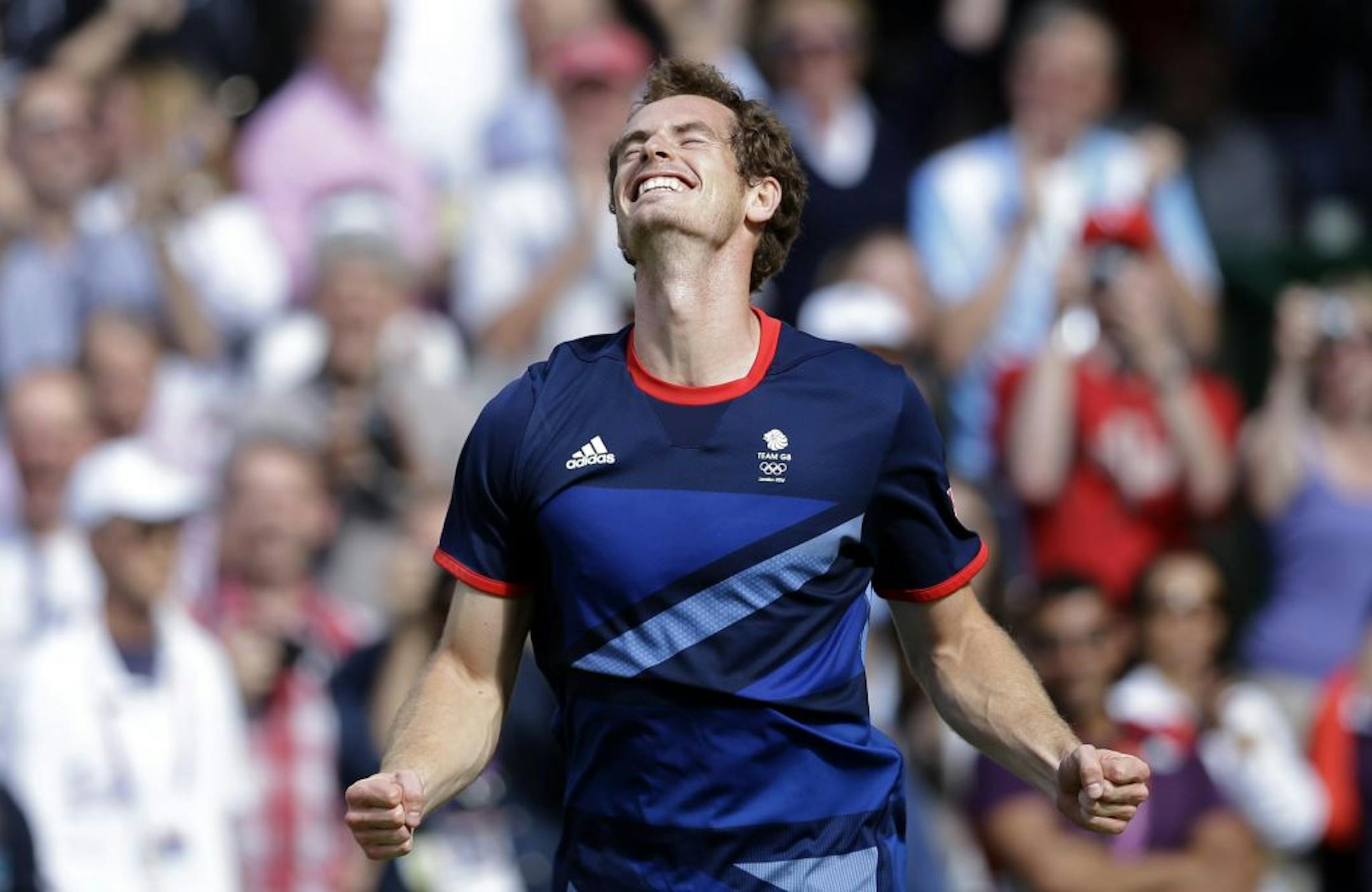
It's a pity as the men's game has been parity personified this year with the top four players each winning one major -- Novak Djokovic Down Under, Nadal at Roland Garros, Roger Federer at Wimbledon and Andy Murray garnering Olympic gold and glory in his home country. The story line on Super Saturday in New York was setting up to be all symmetrical, but now it reads like a question from Mensa: "Which of the three will get two?"


