

Opinion editor's note: Star Tribune Opinion publishes a mix of national and local commentaries online and in print each day. To contribute, click here.
•••
Increased use of renewable energy is a wonderful idea, provided the full limitations are understood and aptly accounted for. Everybody acknowledges the nighttime shutdown of solar panels and a degree of storage necessary to compensate. However, a much more dire potential problem exists.
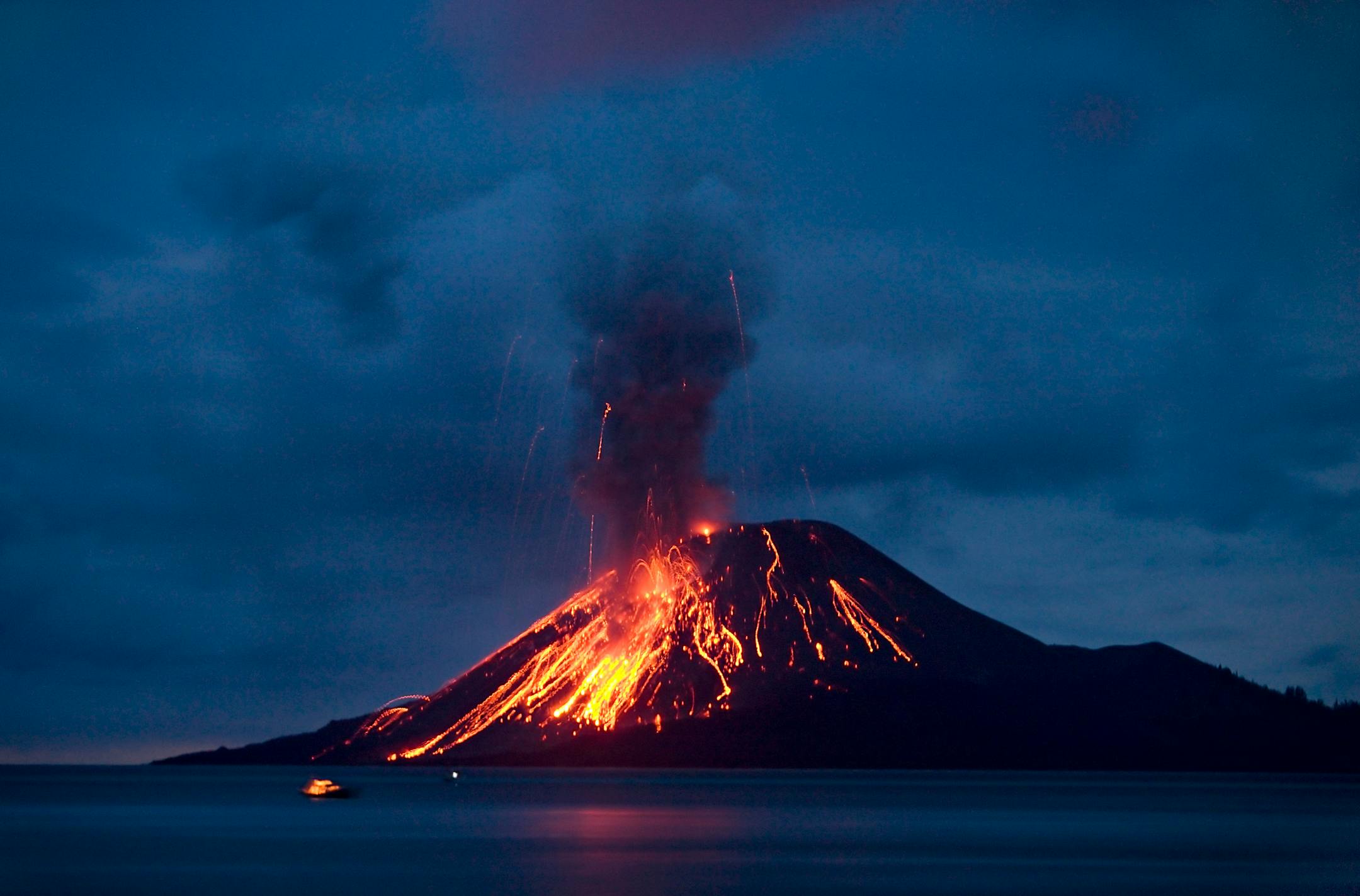
A look at history reveals a condition far worse than twilight's reduction in solar output. Two dates in particular should be considered: 1815 and 1883.
People alive in those years were not so profoundly affected by nature's wrath as we would be today, for the simple reason that they did not tie their lives so completely to an energized electrical grid.
One modern government (California) is proud of the accomplishment of 100% solar powering the electrical grid, albeit for a brief moment on a clear weekend afternoon last year when electrical demand was minimal. But to be clear, complete reliance on solar power would be a classic example of having "all your eggs in one basket" if not for the fact several fossil and nuclear electric stations were on standby with spinning reserves to kick in once the clouds moved in, or dusk approached.
The short power outages most of us have experienced could be described "irritating" at most. Longer outages represent a serious reduction in the quality of life, and in winter even an existential threat. Most would consider an electrical outage of several days or certainly several weeks to be unbearable. So how about a year or two?


