Dark Days But No Wintry Smacks

Winter is still largely AWOL east of the Rockies. In fact this is as cold as it's going to be anytime soon. Big, sloppy storms detour well south of Minnesota, while a temperate Pacific flow dominates. Models hint at 60F early next week and NOAA's GFS guidance shows a few 50s into the third week of November. Check the blog for more details. -Todd Nelson

November 1, 2021 at 3:00AM
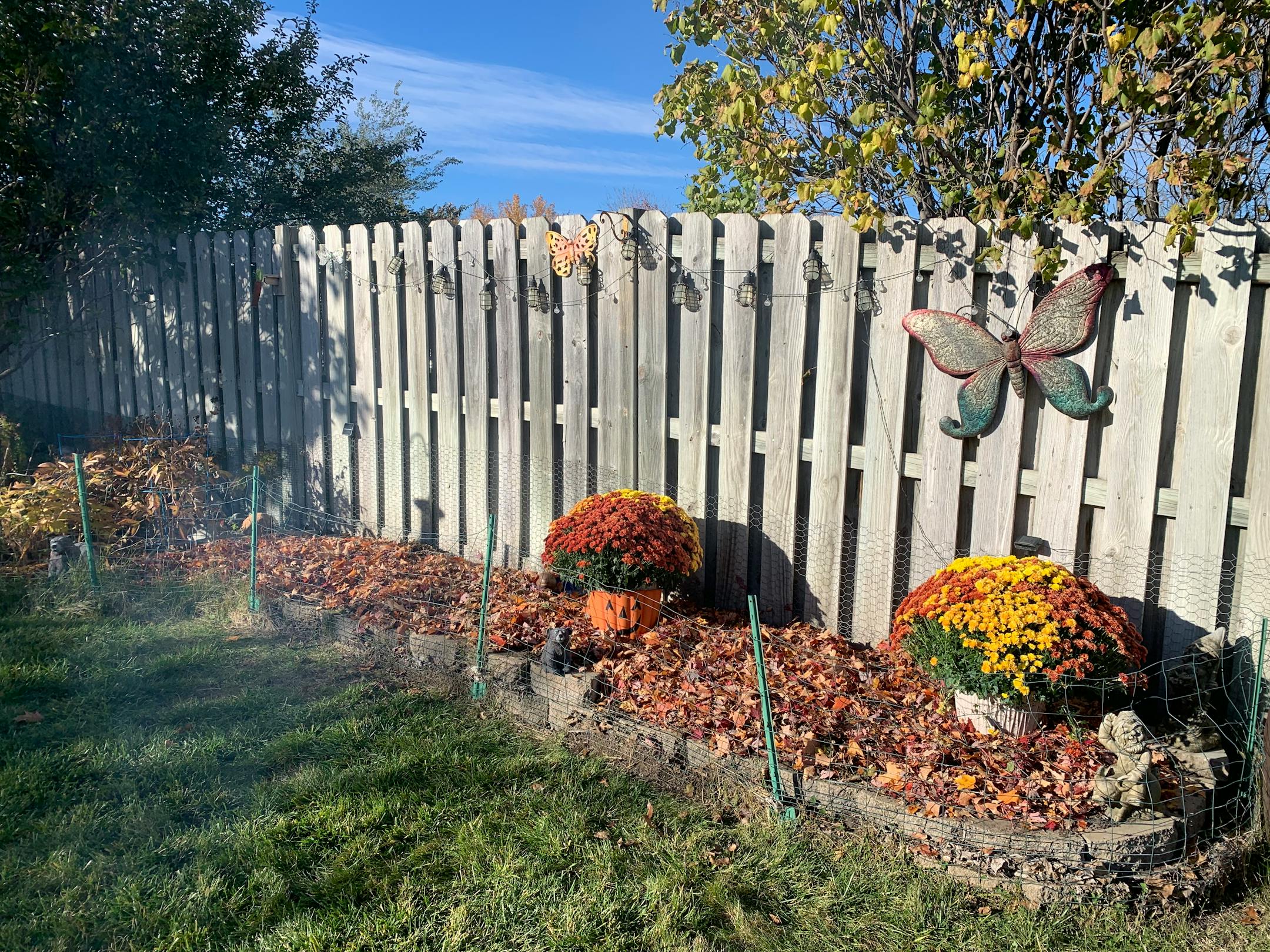
Halloween Weekend (@TNelsonWX/The Minnesota Star Tribune)

MN Fall Color Tracker

According to the MN DNR, it appears that much of the state is past peak color. However, there is still some good color in spots around the state, so enjoy it while you can before much of the landscape turns brown. Note that foliage likely won't arrive until sometime in May, which is nearly 7 months from now.
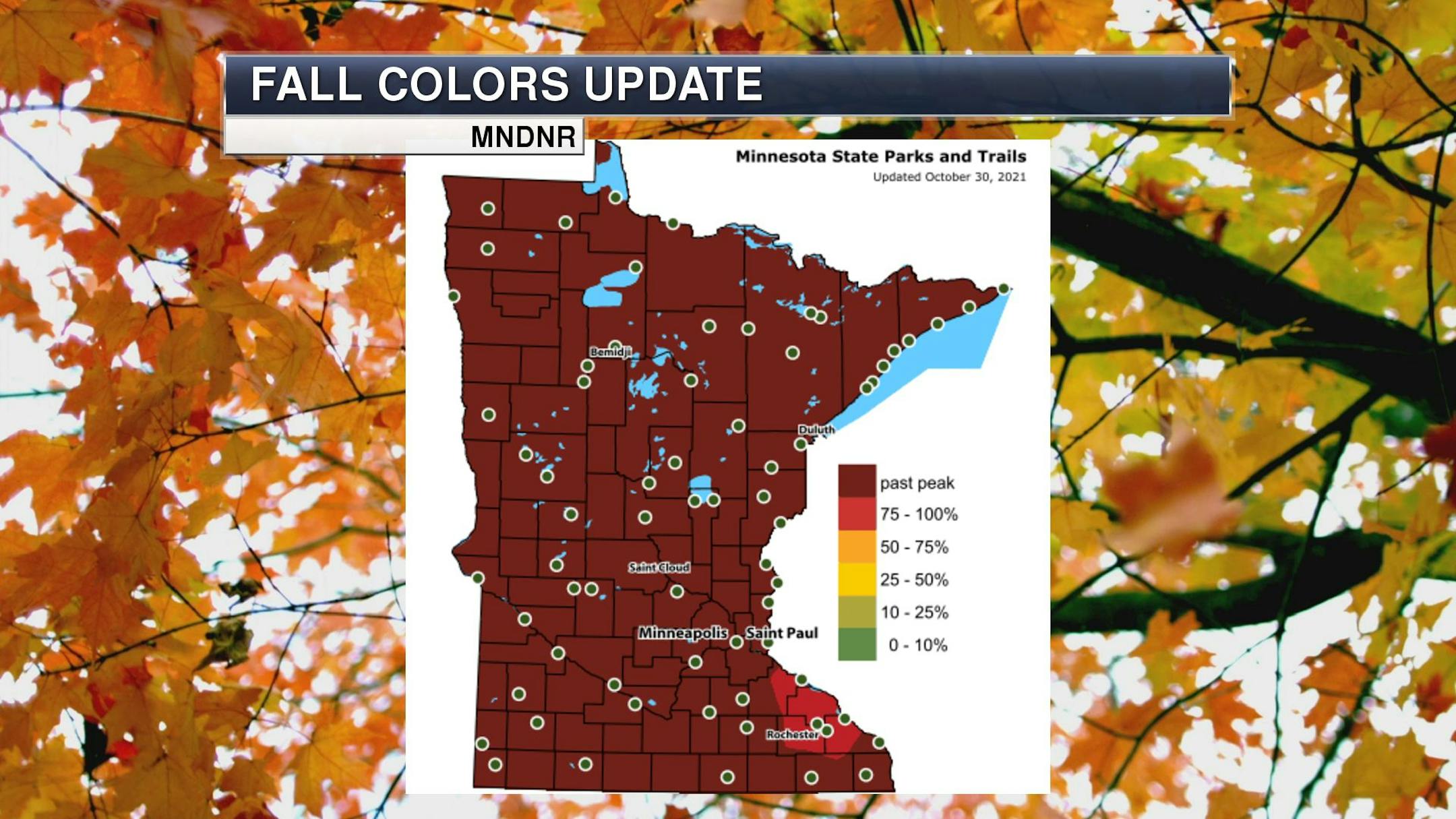
MN Fall Color Update (MN DNR/The Minnesota Star Tribune)

Simulated Radar From AM Monday to AM Saturday

Here's the weather outlook through the first full week of November, which keeps quiet weather conditions in place across much of the Upper Midwest. However, temps will be cold enough for some lake effect snow across the Great Lakes Region.
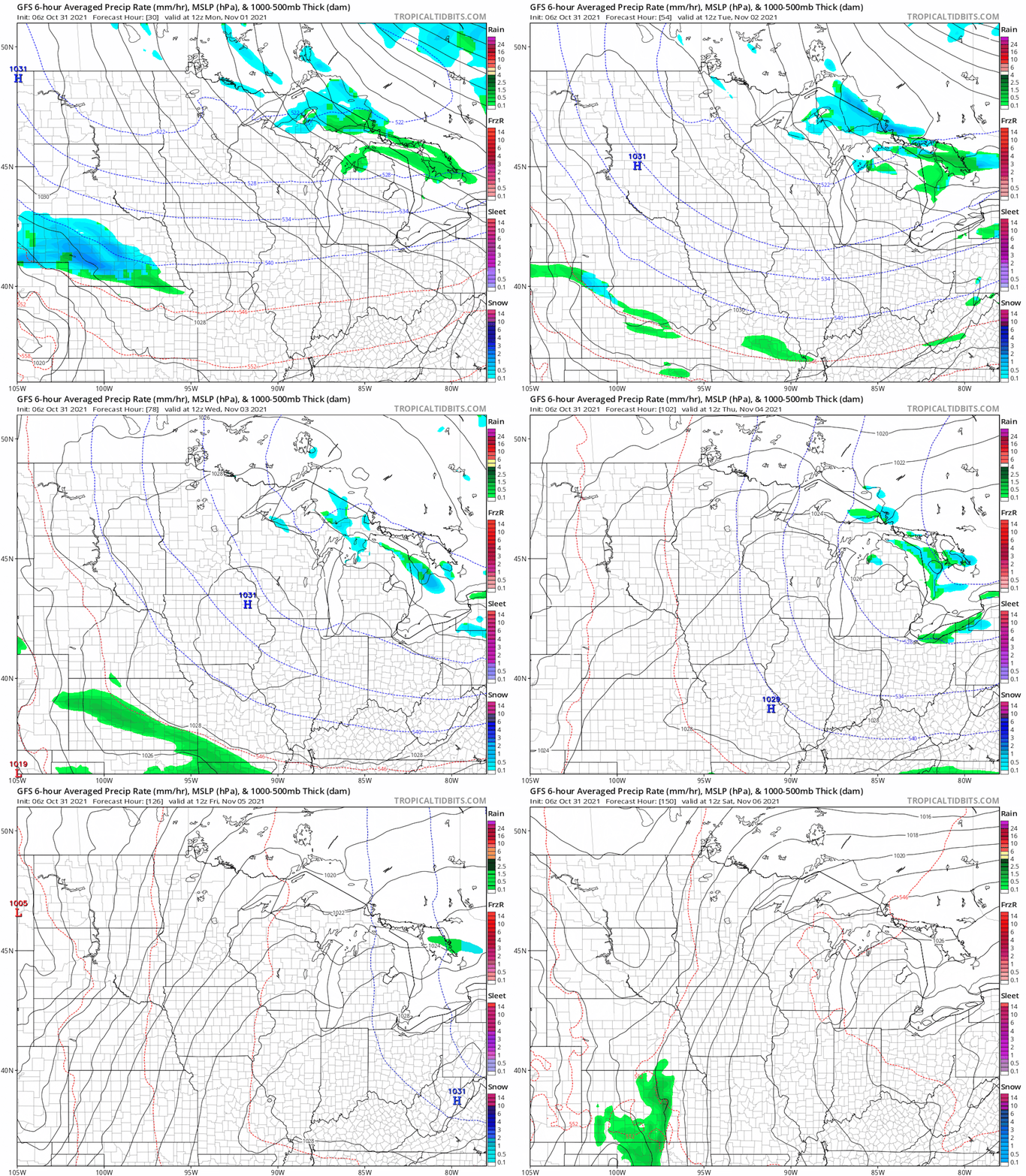
Weather Outlook From AM Monday to AM Saturday (Tropical Tidbits/The Minnesota Star Tribune)

Precipitation Outlook Through Next Week

The precipitation outlook through the next several days keep much of the state dry. There could be a few light rain/snow showers across the northern tier of the state.
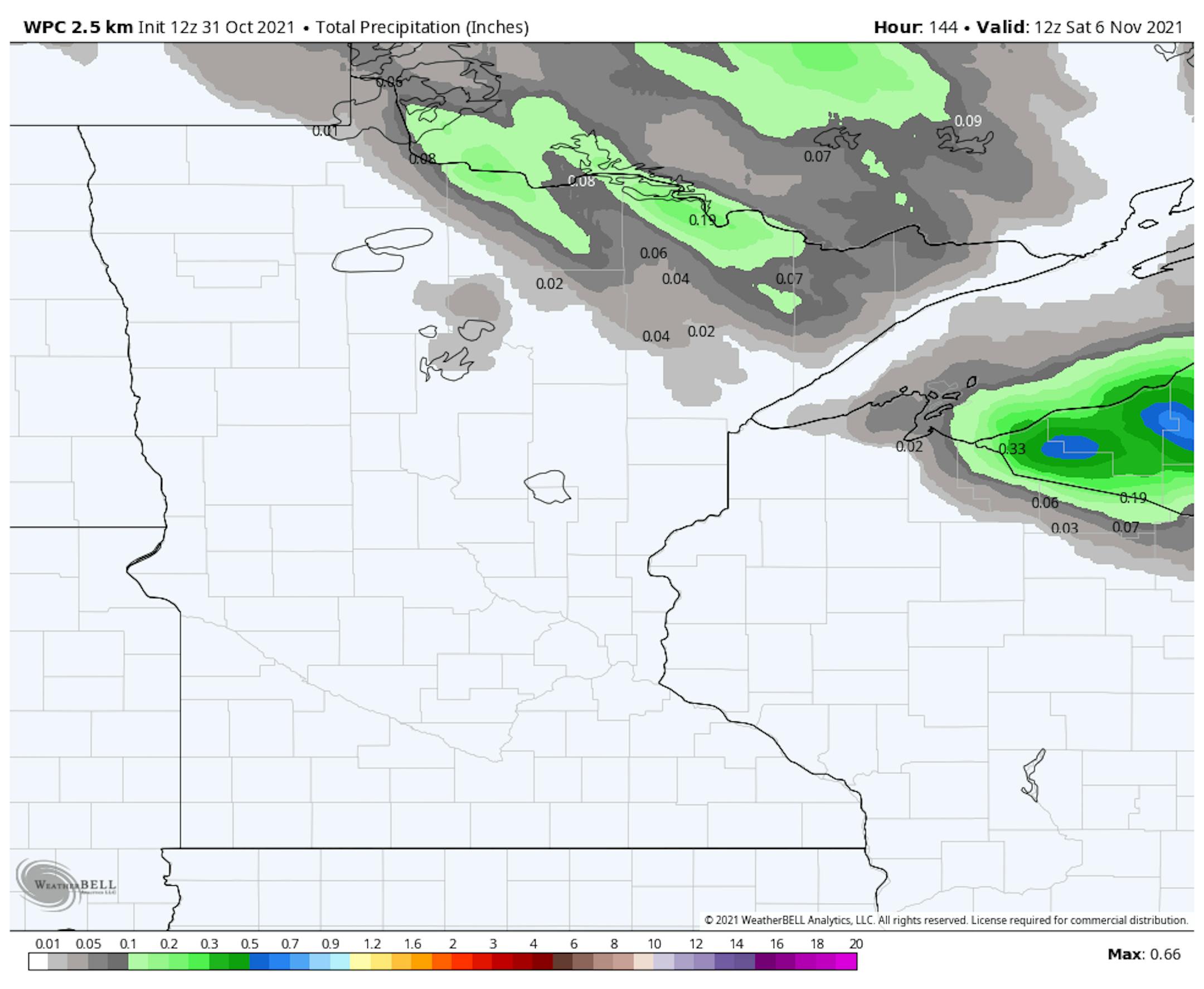
Precipitation Outlook Through The Week Ahead (WeatherBell/The Minnesota Star Tribune)

Drought Update For Minnesota

According to the US Drought Monitor, nearly 7% of the state is still considered to be in an extreme drought (in red across northern Minnesota), which is down from nearly 22% from 3 months ago. There has been a slight improvement in Severe Drought, which is at 36%, down from 75% 3 months ago. Nearly 62% of the state is still under a Moderate Drought, which includes much of the Twin Cities Metro.
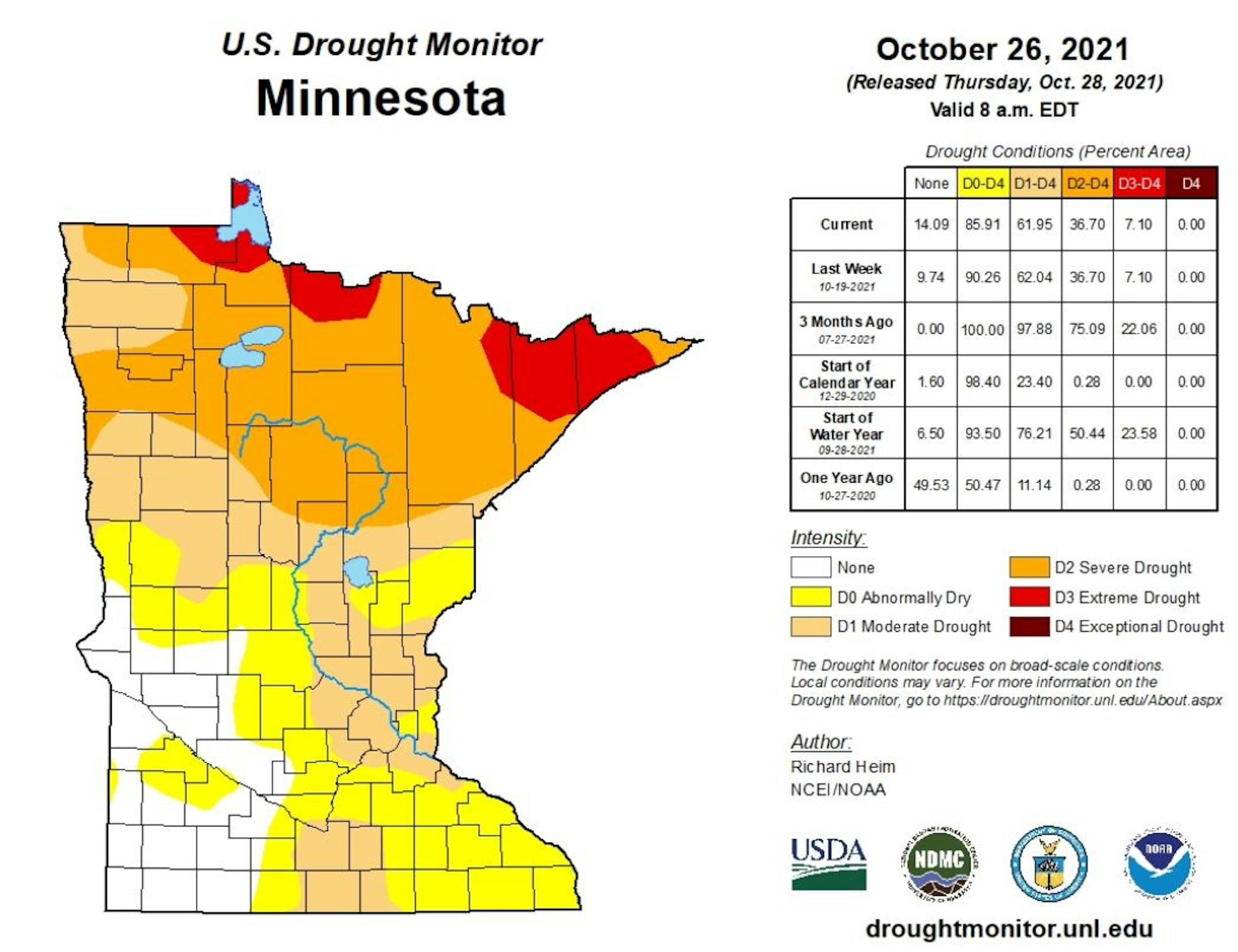
MN Drought Update (US Drought Monitor/The Minnesota Star Tribune)

Precipitation Departure From Average Since January 1st

Here's a look at the precipitation departure from average since January 1st and note that most locations are still several inches below average. The Twin Cities The metro is still nearly -5.55" below average since January 1st, which is the 52nd driest January 1st - October 29th on record.
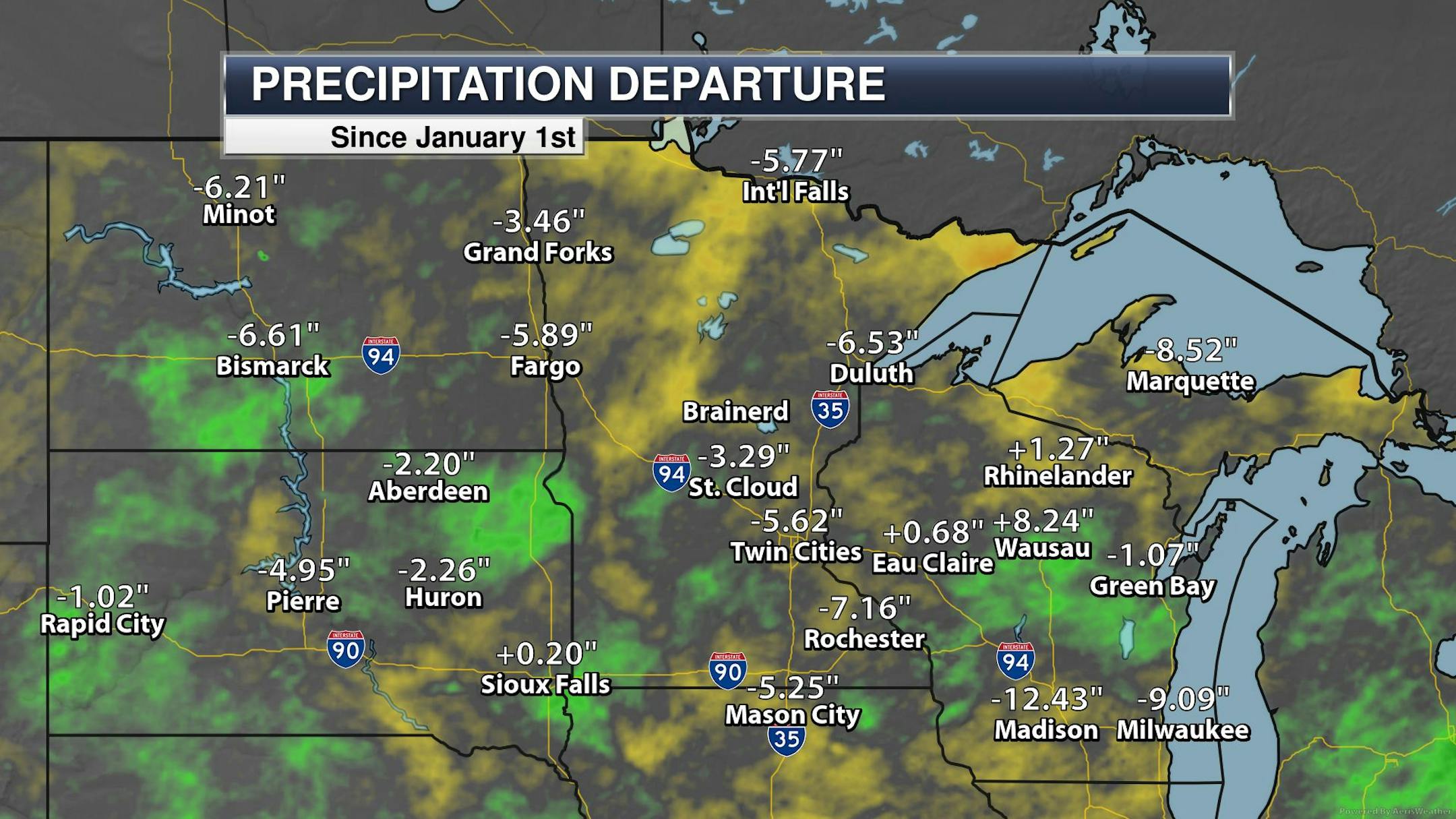
Precipitation Departure From Average Since January 1st (Praedictix/The Minnesota Star Tribune)

Monday Weather Outlook

Monday will be a dry and sunny day, but temps will be much cooler with highs only warming into the low/mid 40s, which will be nearly -5F cooler than average for this time of the year. WNW winds will be a bit breezy, which will make it feel more like the 30s through the day.
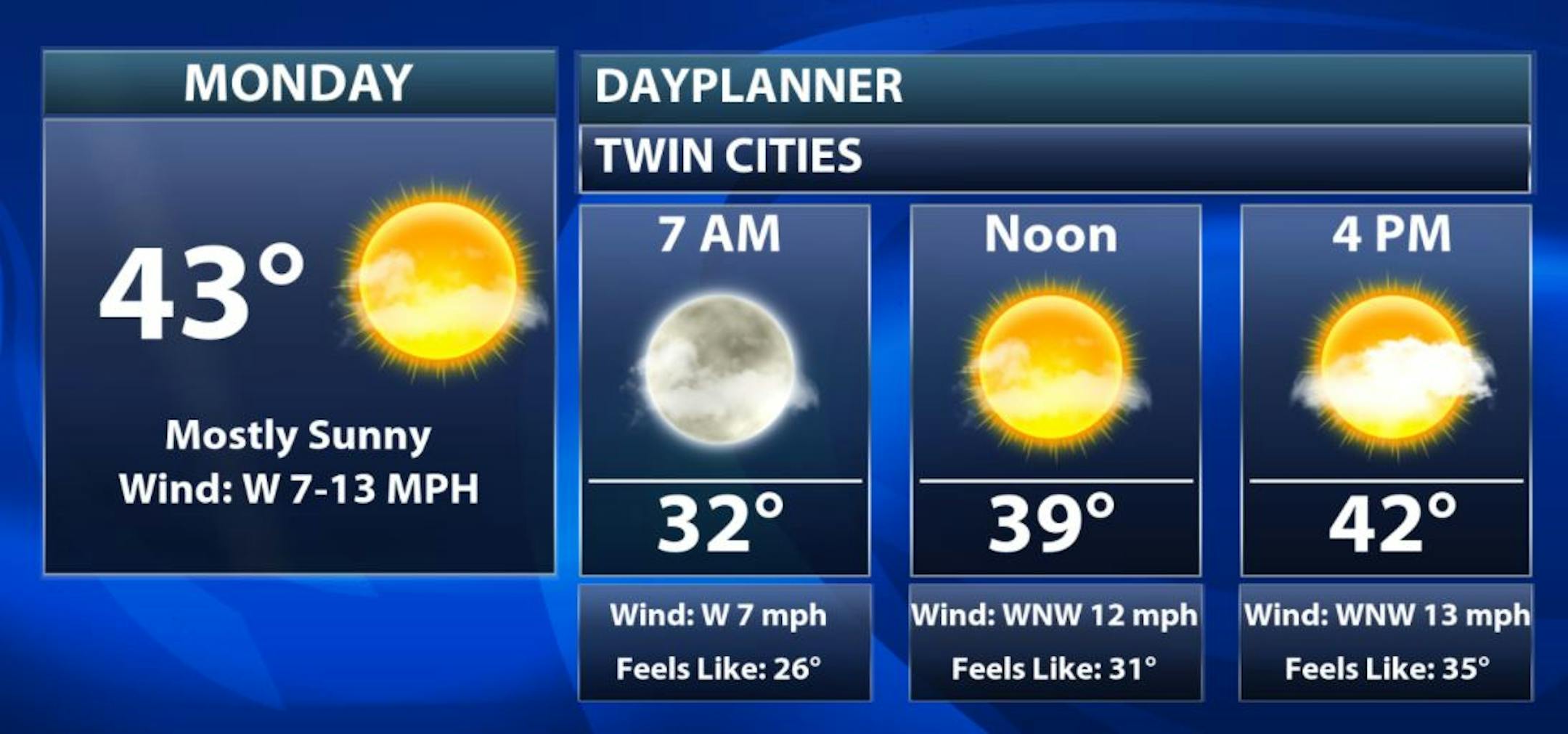
Monday Weather Outlook For Minneapolis (Praedictix/The Minnesota Star Tribune)

Meteograms for Minneapolis

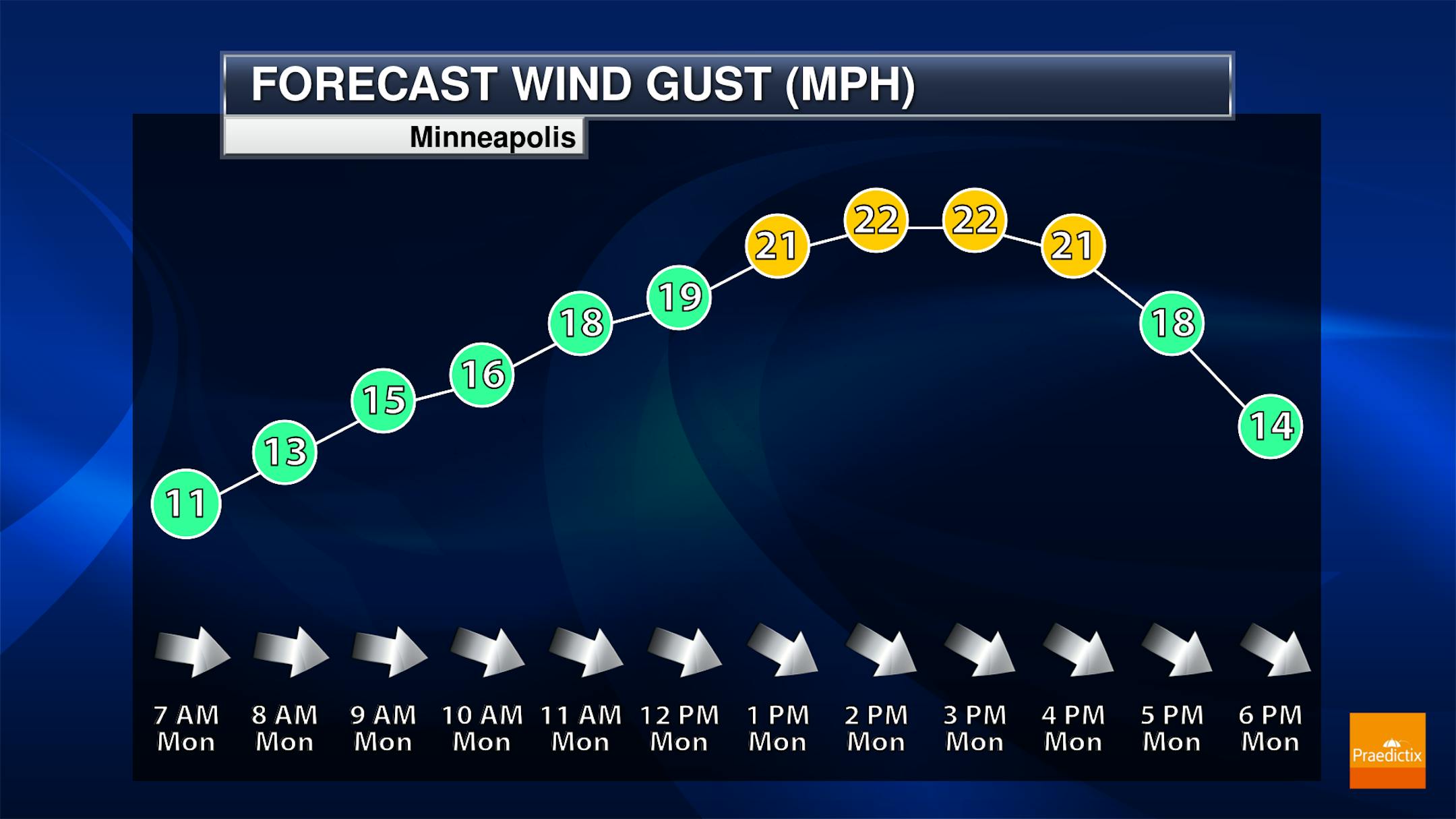
The hourly temps for Minneapolis on Monday, shows readings starting in the lower 30s and warming into lower 40s by the afternoon. Sunny skies will be mainly sunny through the day with WNW winds gusting close to 20mph through the day.
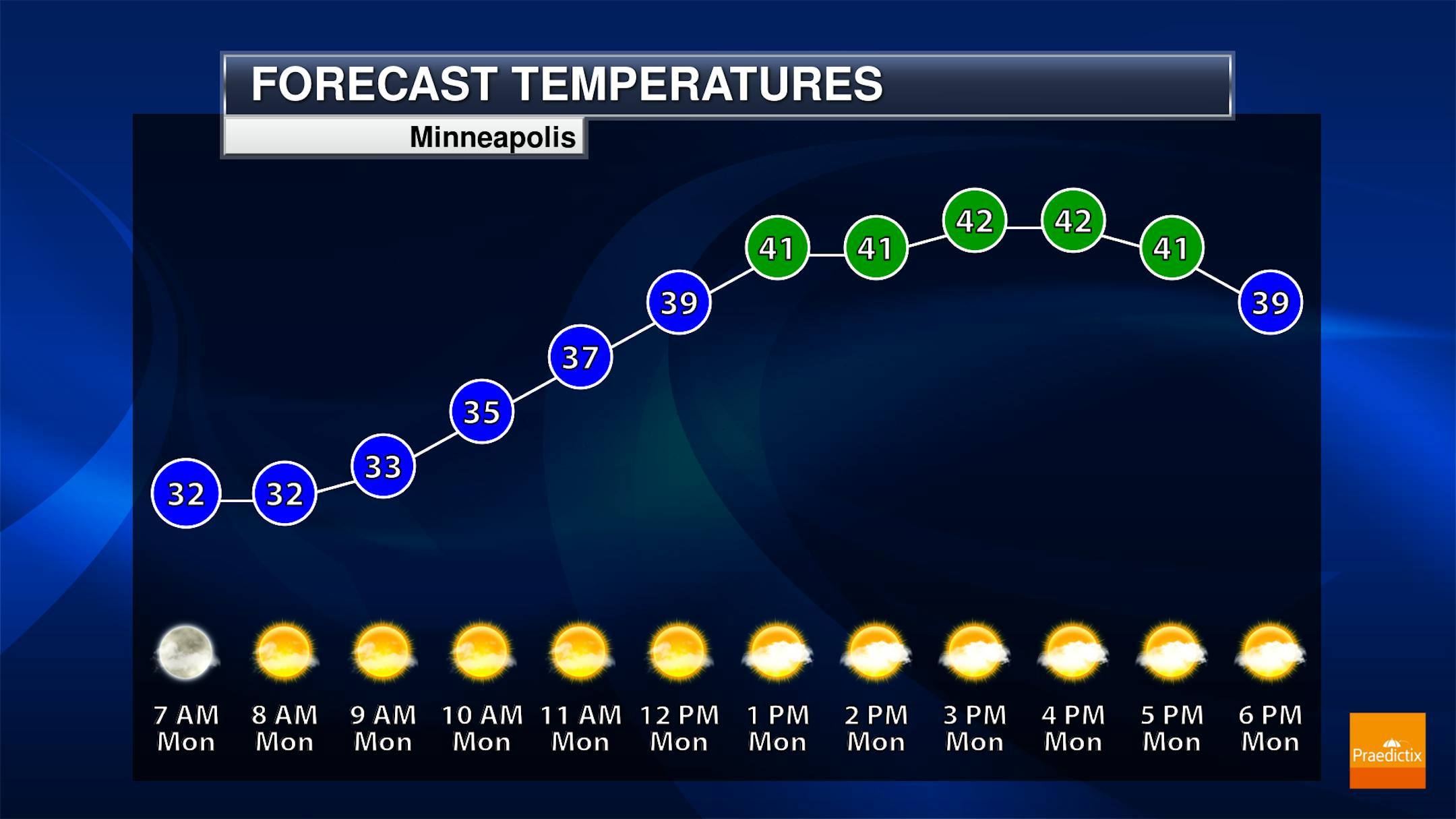
Hourly Temps & Sky Conditions For Minneapolis on Monday (Praedictix/The Minnesota Star Tribune)
Hourly Sky Wind Gusts & Direction For Minneapolis on Monday (Praedictix/The Minnesota Star Tribune)

Weather Outlook For Monday

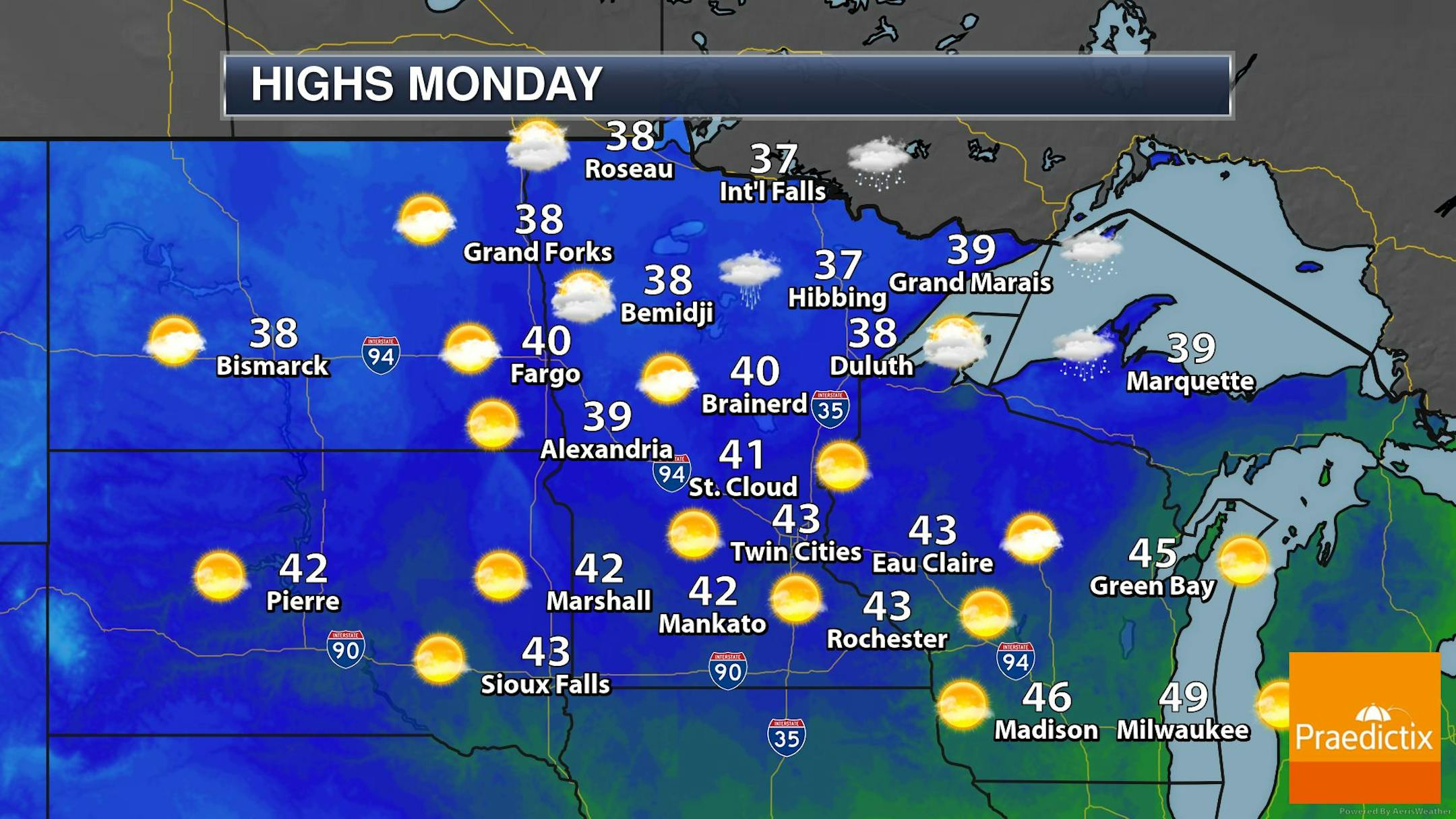
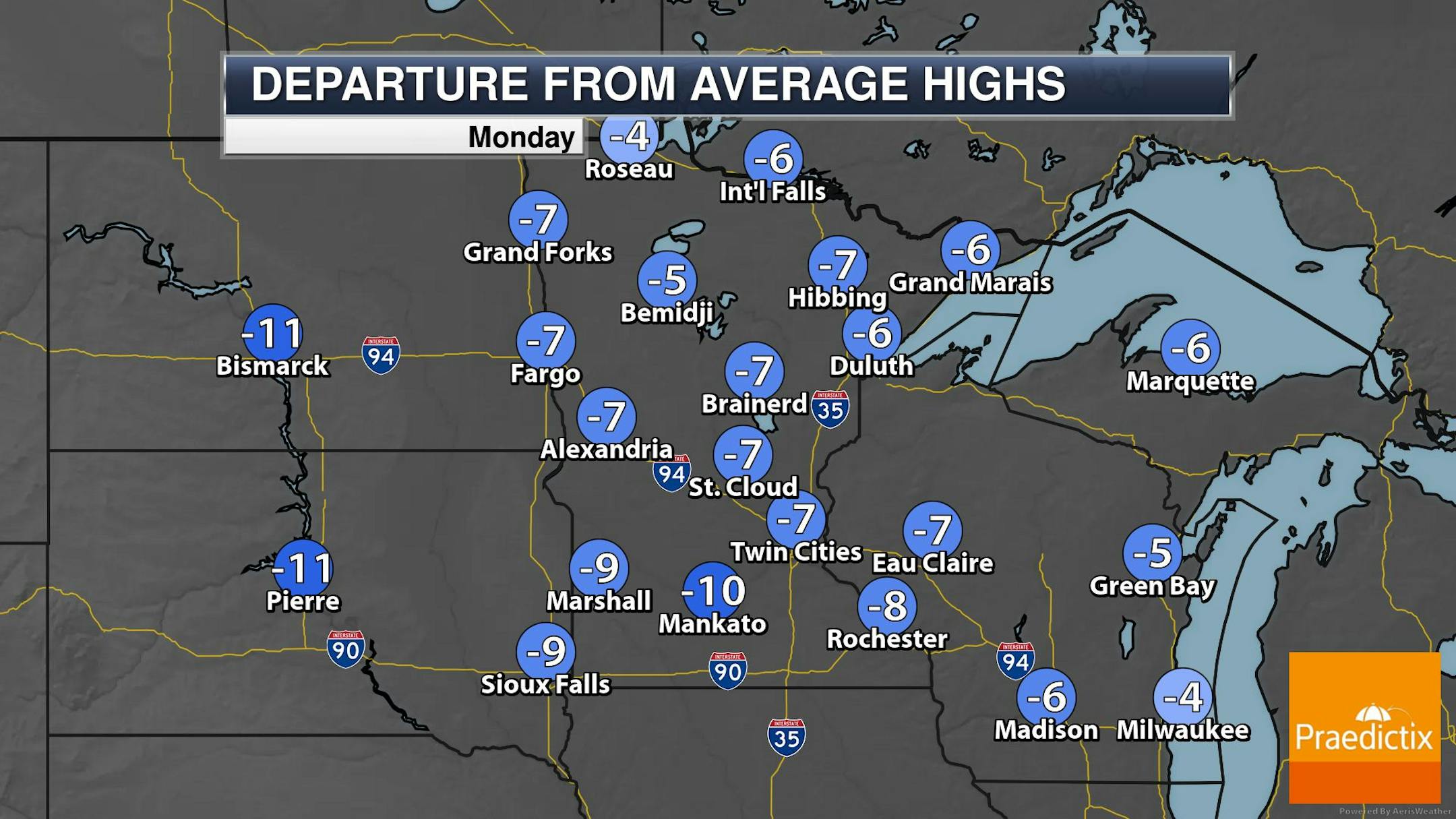
High temps across the region on Monday will only warm into upper 30s and the lower 40s, which will be nearly -5F to -10F below average for early November. There could be a few light rain/snow showers across the northeastern part of the state.

Weather Outlook For Monday (Praedictix/The Minnesota Star Tribune)
Highs From Average on Monday (Praedictix/The Minnesota Star Tribune)

Extended Temperature Outlook For Minneapolis

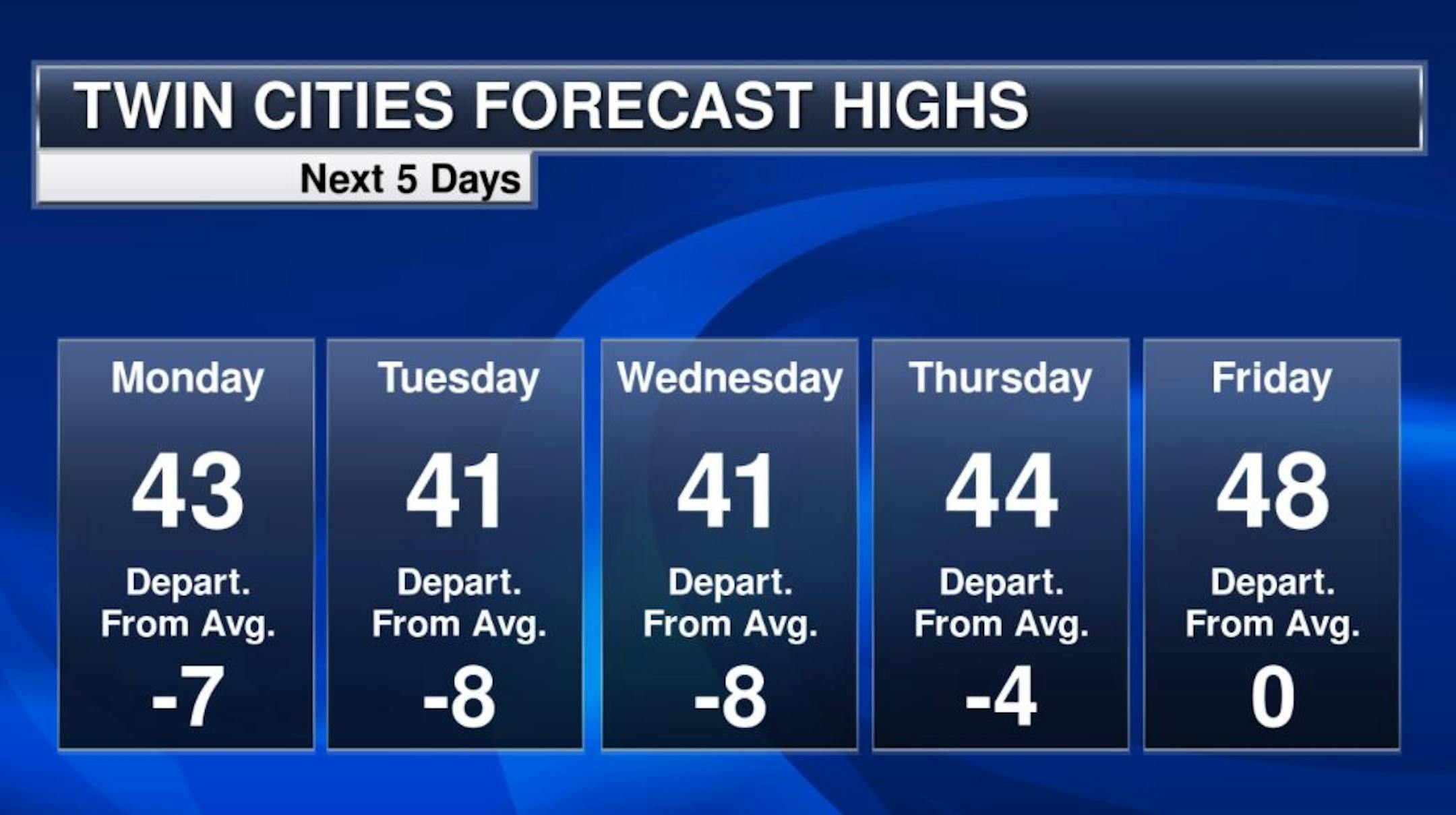
The extended temperature outlook shows cooler than average temps in place through the first full week of November. Highs on Tuesday and Wednesday may be nearly -10F below average with readings struggling to get to 40F.

5 Day Temperature Outlook For Minneapolis (Praedictix/The Minnesota Star Tribune)

Extended Weather Outlook For Minneapolis

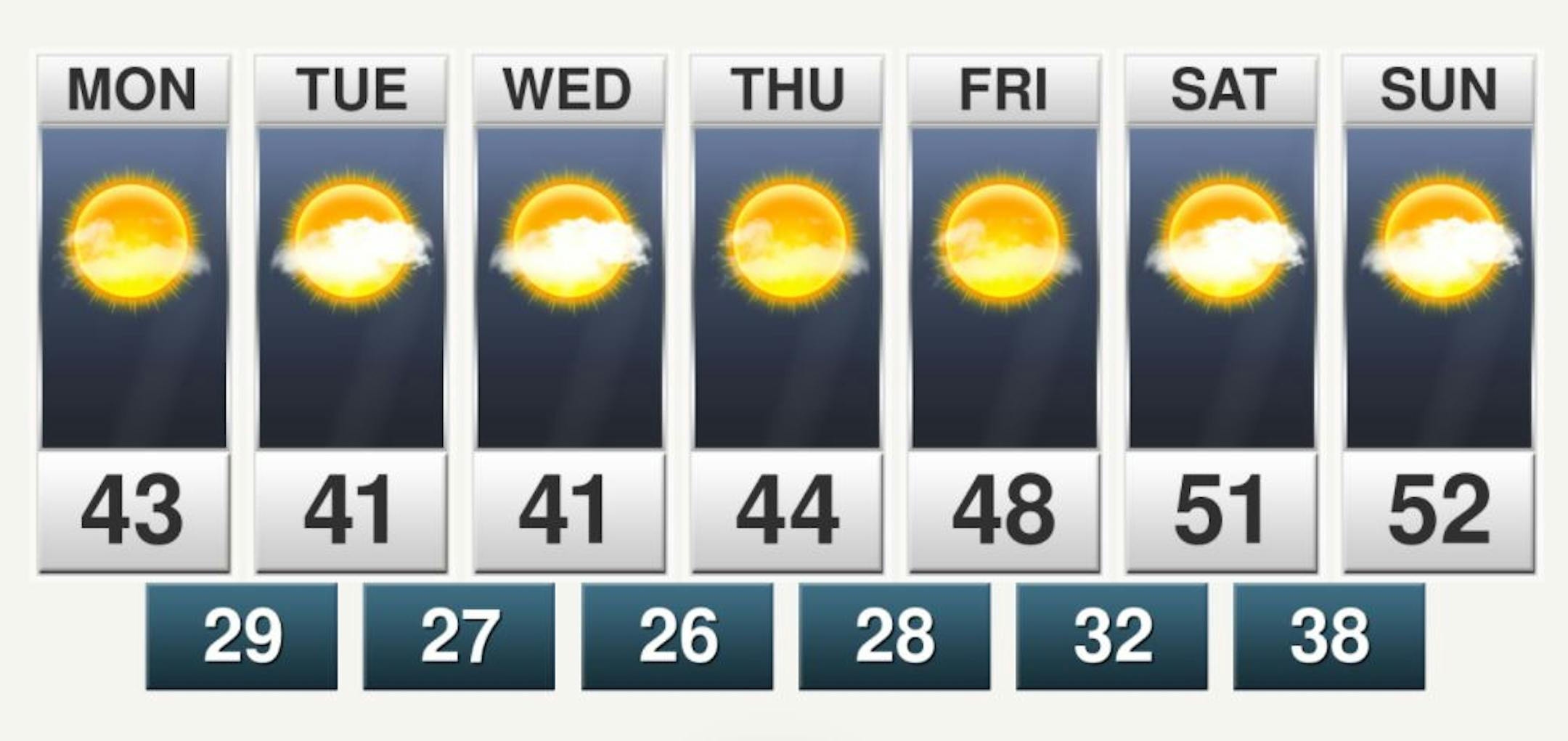
The extended weather outlook through the 1st full week of November suggests cooler than average temps with highs running nearly -5F to -10F below average.

7 Day Weather Outlook For Minneapolis (Praedictix/The Minnesota Star Tribune)

Extended Temperature Outlook For Minneapolis

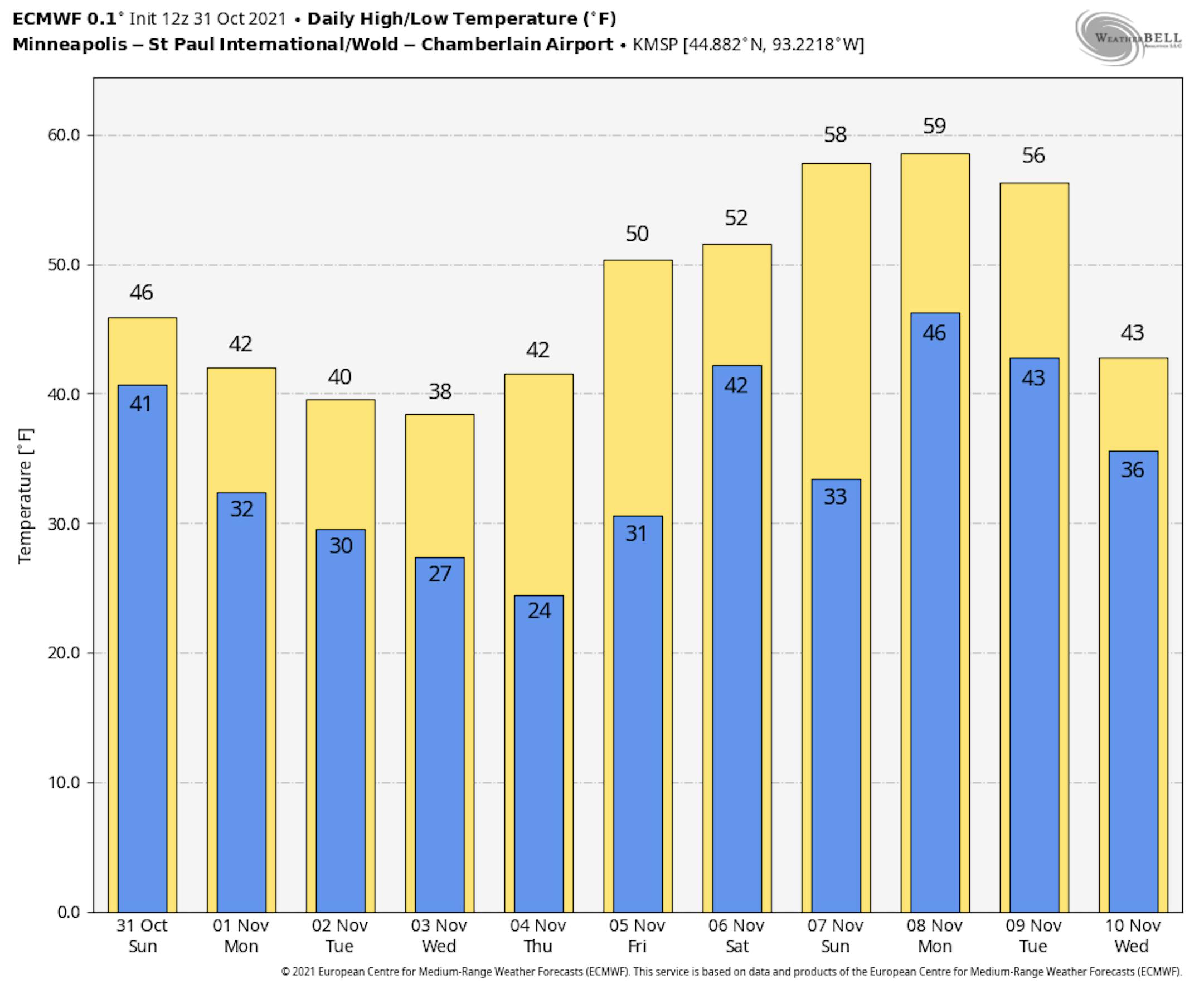
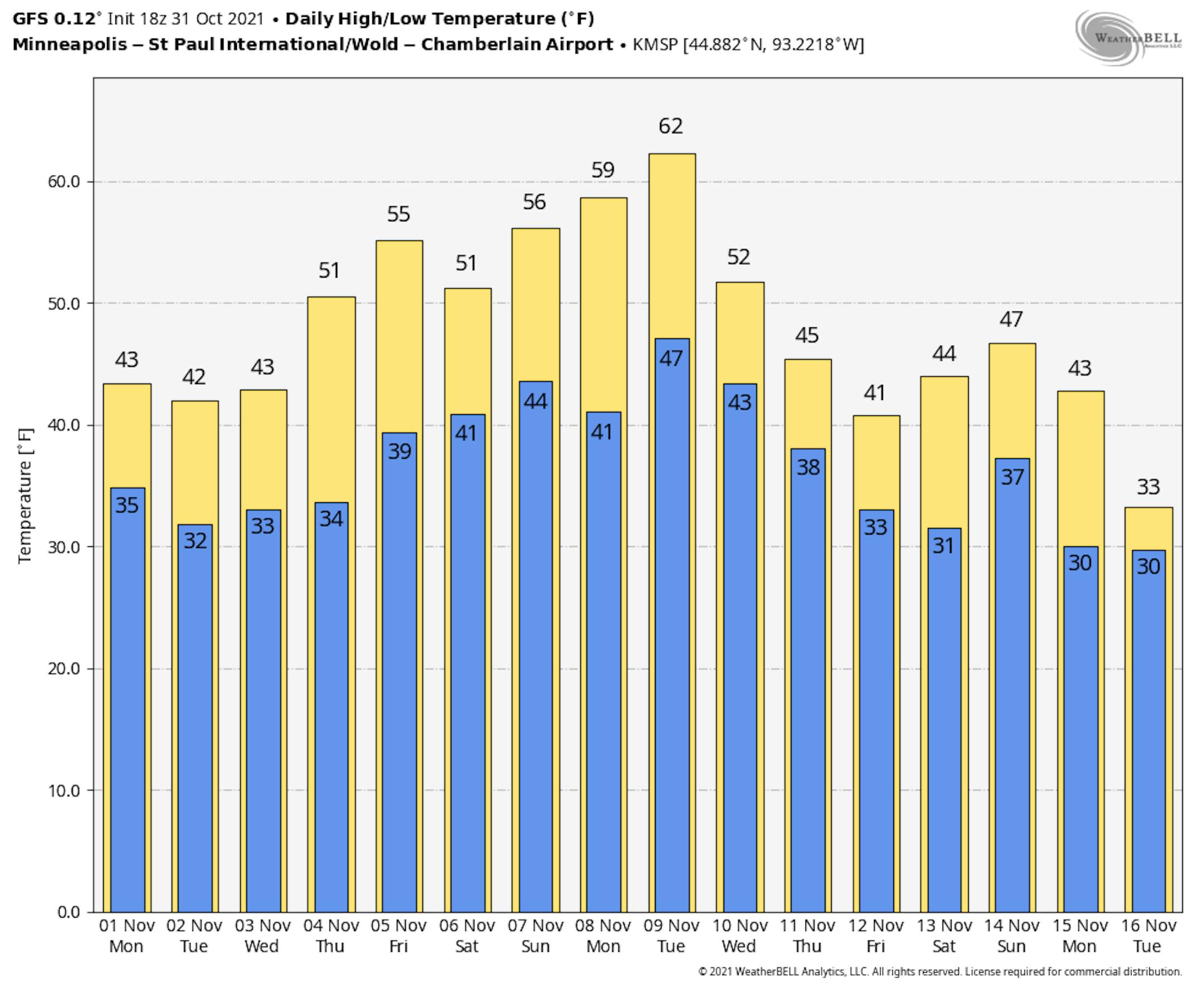
According to the ECMWF & GFS extended temperature outlook, temps through the week ahead will be quite chilly, but we should warm up fairly quickly by the weekend and early next week with highs warming back into the 50s.

ECMWF Extended Temperature Outlook (Praedictix/The Minnesota Star Tribune)
GFS Extended Temperature Outlook (WeatherBell/The Minnesota Star Tribune)

8 to 14 Day Temperature Outlook

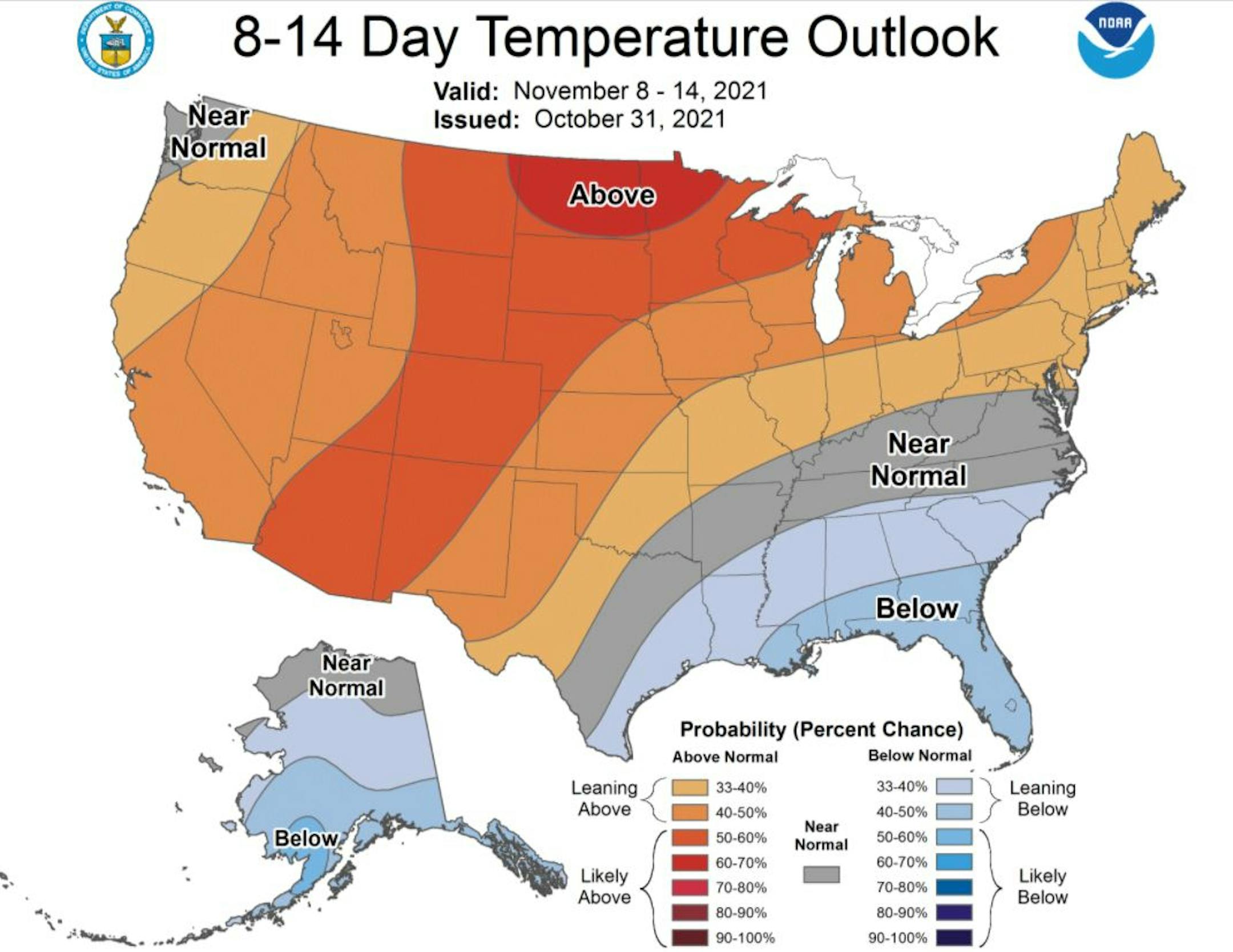
According to NOAA's Climate Prediction Center, the 8 to 14 day temperature outlook shows warmer than average temps returning across the Upper Midwest and across the Plains.

8 to 14 Day Temp Outlook (NOAA Climate Prediction Center/The Minnesota Star Tribune)

8 to 14 Day Precipitation Outlook

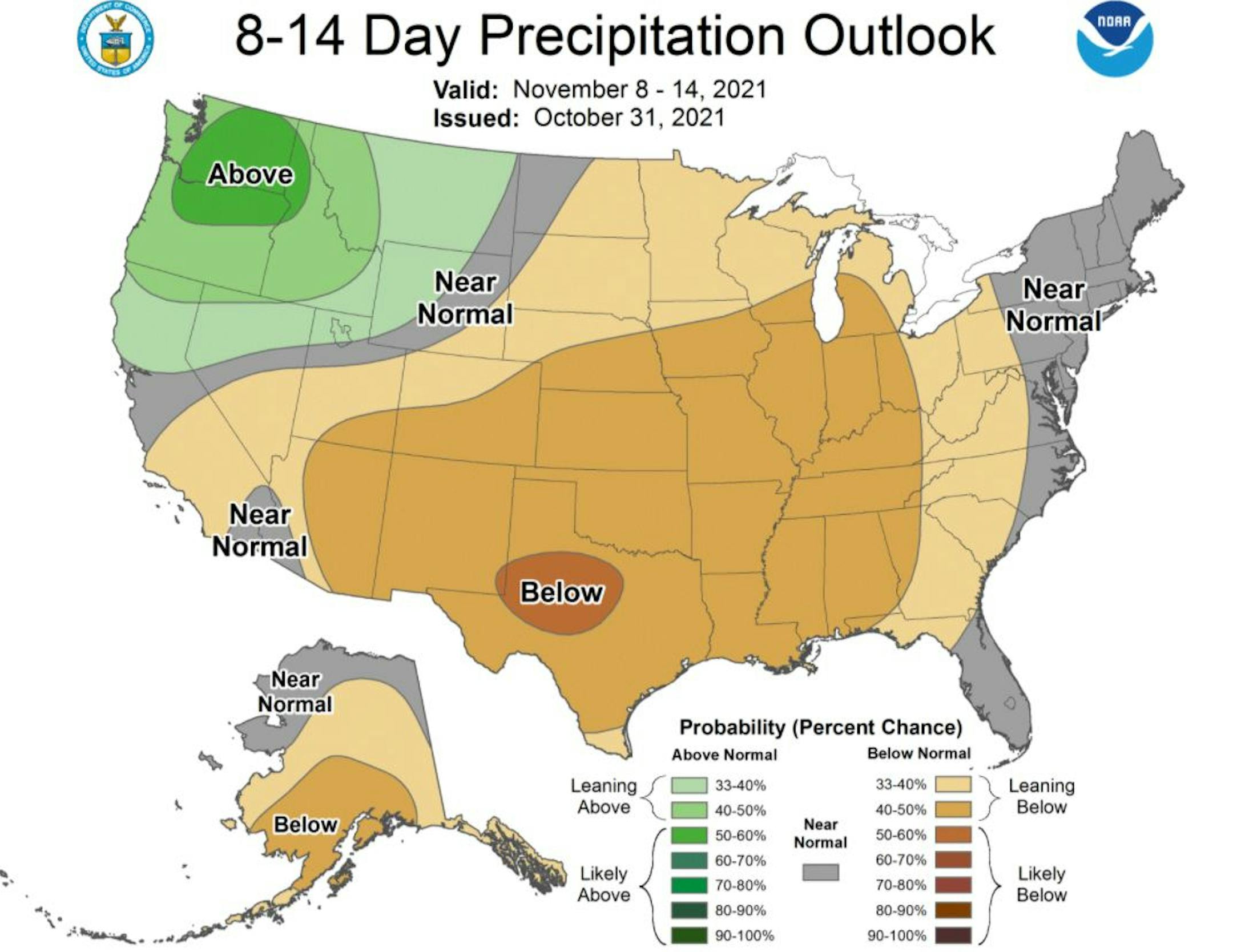
According to NOAA's Climate Prediction Center, there will be an increase in precipitation chances across the Northwest. However, it'll be mainly dry across the Central and Southern US.

8 to 14 Day Precipitation Outlook (NOAA CPC/The Minnesota Star Tribune)

Dark Days But No Wintry Smacks
By Paul Douglas

"People don't notice whether it's winter or summer when they're happy" wrote Russian play wright Anton Chekhov. If you don't get out of the house much...maybe.

We all have winter coping skills, but for me perpetual darkness is a bigger negative than the cold. I can always slap on a few more layers of clothing. A lack of daylight is more problematic. Tom Dixon reminded me on Twitter that because of a late end to Daylight Saving Time, we experience the latest sunrise of the year this week (7:58 AM), not in late December. "Tough on us early risers" Dixon wrote. I too feel an urge to sleep in 'til the crack of noon.

Winter is still largely AWOL east of the Rockies. In fact this is as cold as it's going to be anytime soon. Big, sloppy storms detour well south of Minnesota, while a temperate Pacific flow dominates. Models hint at 60F early next week and NOAA's GFS guidance shows a few 50s into the third week of November.

No snow. Just frost on green lawns. And box elder bugs. Autumn just won't let go.

Extended Forecast

MONDAY: Partly sunny, brisk. Winds: NW 15-25. High: 43.

MONDAY NIGHT: Partly cloudy and quiet. Winds: WNW 5-10. Low: 28.

TUESDAY: Chilly with intervals of sunshine. Winds: NW 10-20. Wake-up: 30. High: 41.

WEDNESDAY: Peeks of chilled sunlight. Winds: N 7-12. Wake-up: 29. High: 40.

THURSDAY: Sunnier with less wind. Winds: S 7-12. Wake-up: 28. High: 45.

FRIDAY: Partly sunny, breezy and milder. Winds: S 10-20. Wake-up: 34. High: 52.

SATURDAY: Mostly cloudy and quiet. Winds: S 7-12. Wake-up: 42. High: 53.

SUNDAY: Sunnier and milder. Winds: S 7-12. Wake-up: 36. High: 58.

This Day in Weather History

November 1st

2000: An F1 tornado touches down on a farm east of Prinsburg in Kandiyohi County destroying a small storage shed. It also tipped another shed on its side, and ripped off a portion of the roof of a third shed.

1999: High winds are reported in central Minnesota. The St. Cloud State University Meteorology Department in Stearns County recorded a 65 mph gust. The Morris AWOS in Stevens County posted a 62 mph gust and the Willmar AWOS in Kandiyohi county recorded a 59 mph gust. Area-wide sustained winds of 40 mph occurred, with gusts in the 45 to 50 mph range.

1991: Classes are canceled across the state due to the Halloween Blizzard. Three foot drifts are measured across I-94 from the Twin Cities to St. Cloud. MSP airport records its all-time record daily snowfall total of 18.5 inches.

Average High/Low for Minneapolis

November 1st

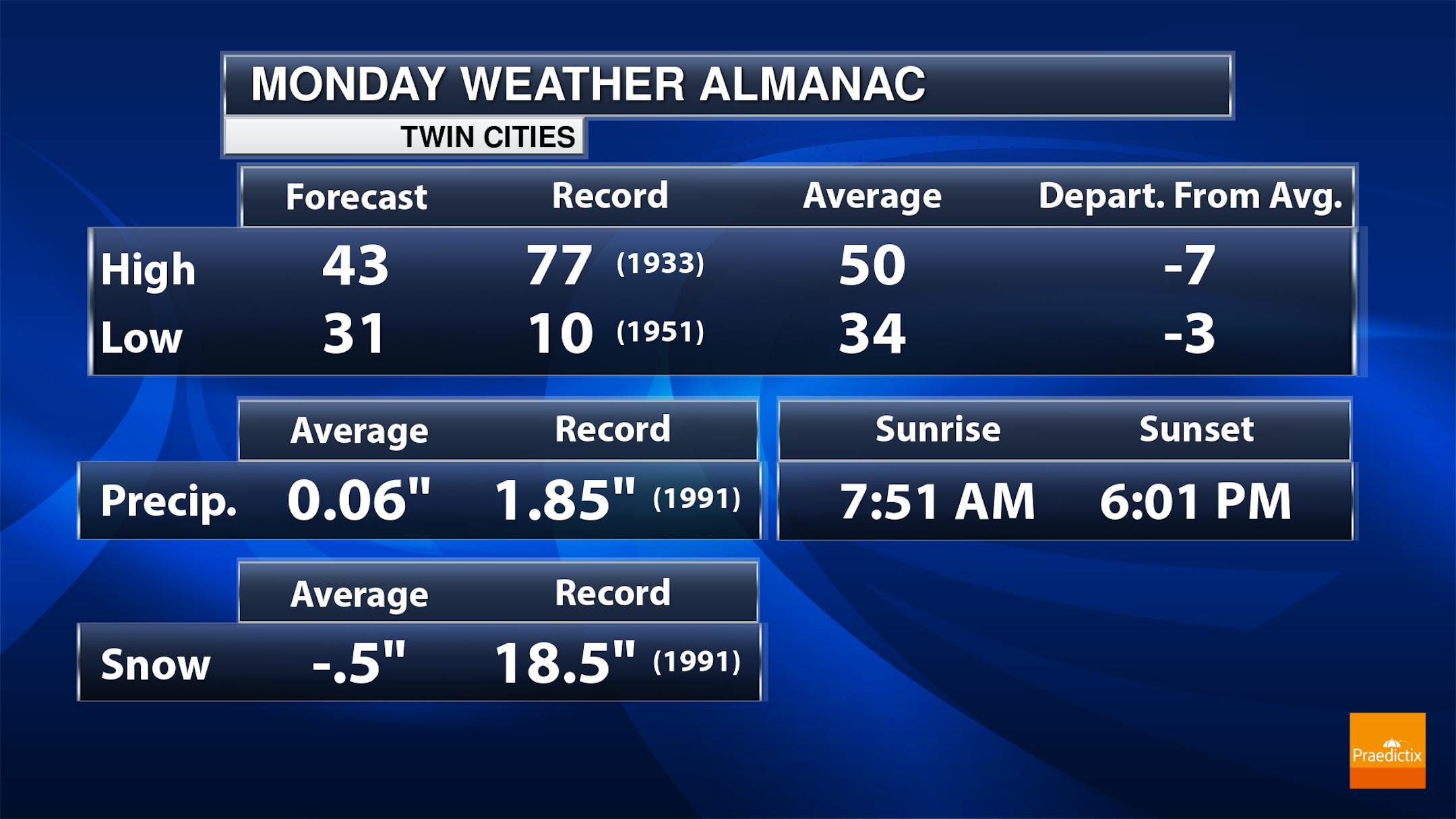
Average High: 50F (Record: 77F set in 1933)

Average Low: 34F (Record: 10F set in 1951)

Record Rainfall: 1.85" set in 1991

Record Snowfall: 18.5" set in 1991

Twin Cities Almanac For November 1st (Praedictix/The Minnesota Star Tribune)

Sunrise/Sunset Times for Minneapolis

November 1st

Sunrise: 7:51am

Sunset: 6:01pm

Hours of Daylight: ~10 hours & 9 minutes

Daylight LOST since yesterday: ~ 2 minute & 46 seconds

Daylight LOST since Summer Solstice (June 20th): ~5 Hour & 41 Minutes

Moon Phase for November 1st at Midnight

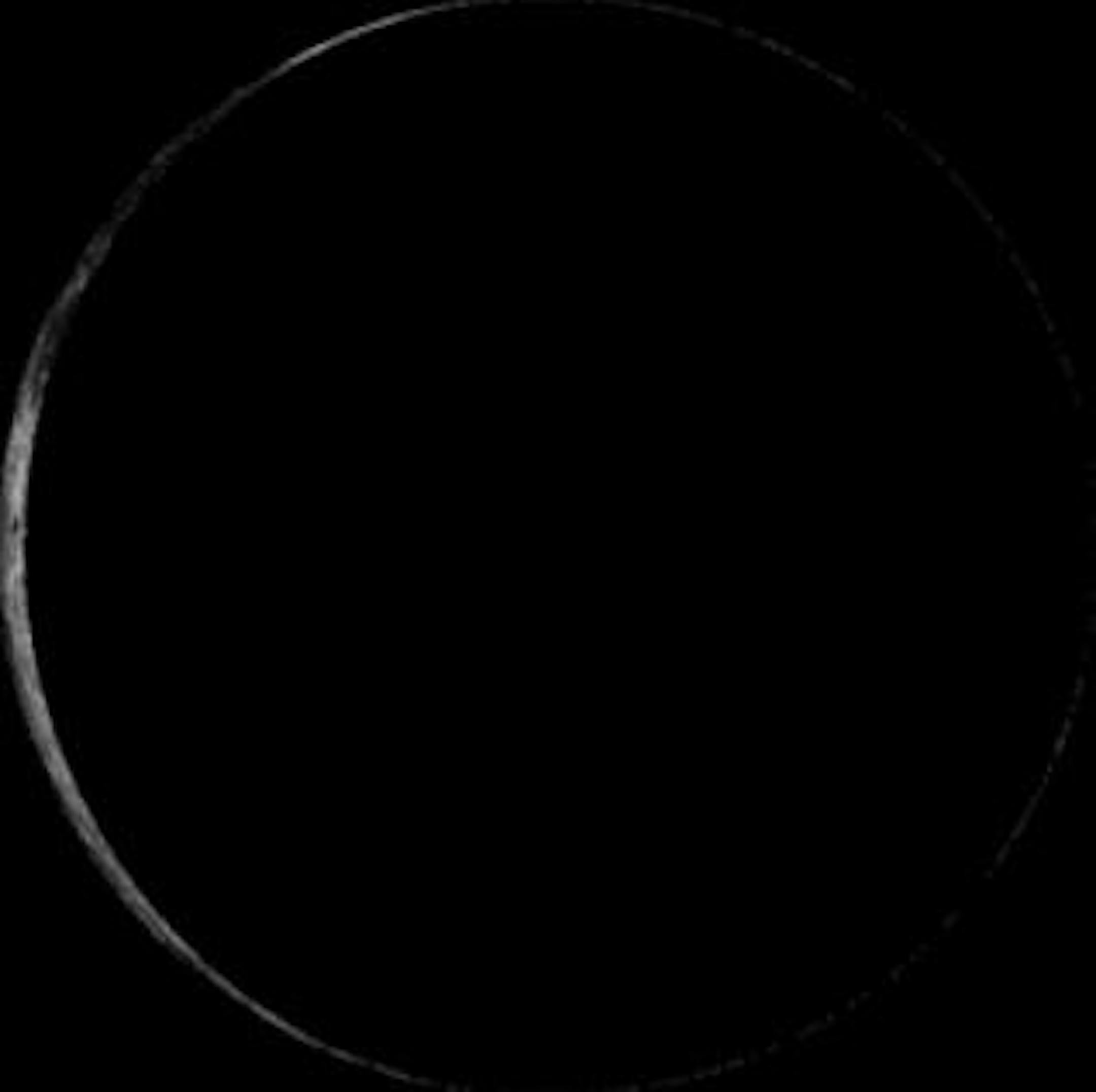
2.6 Days Before New Moon

Moon Phase For November 1st at Midnight (Praedictix/The Minnesota Star Tribune)

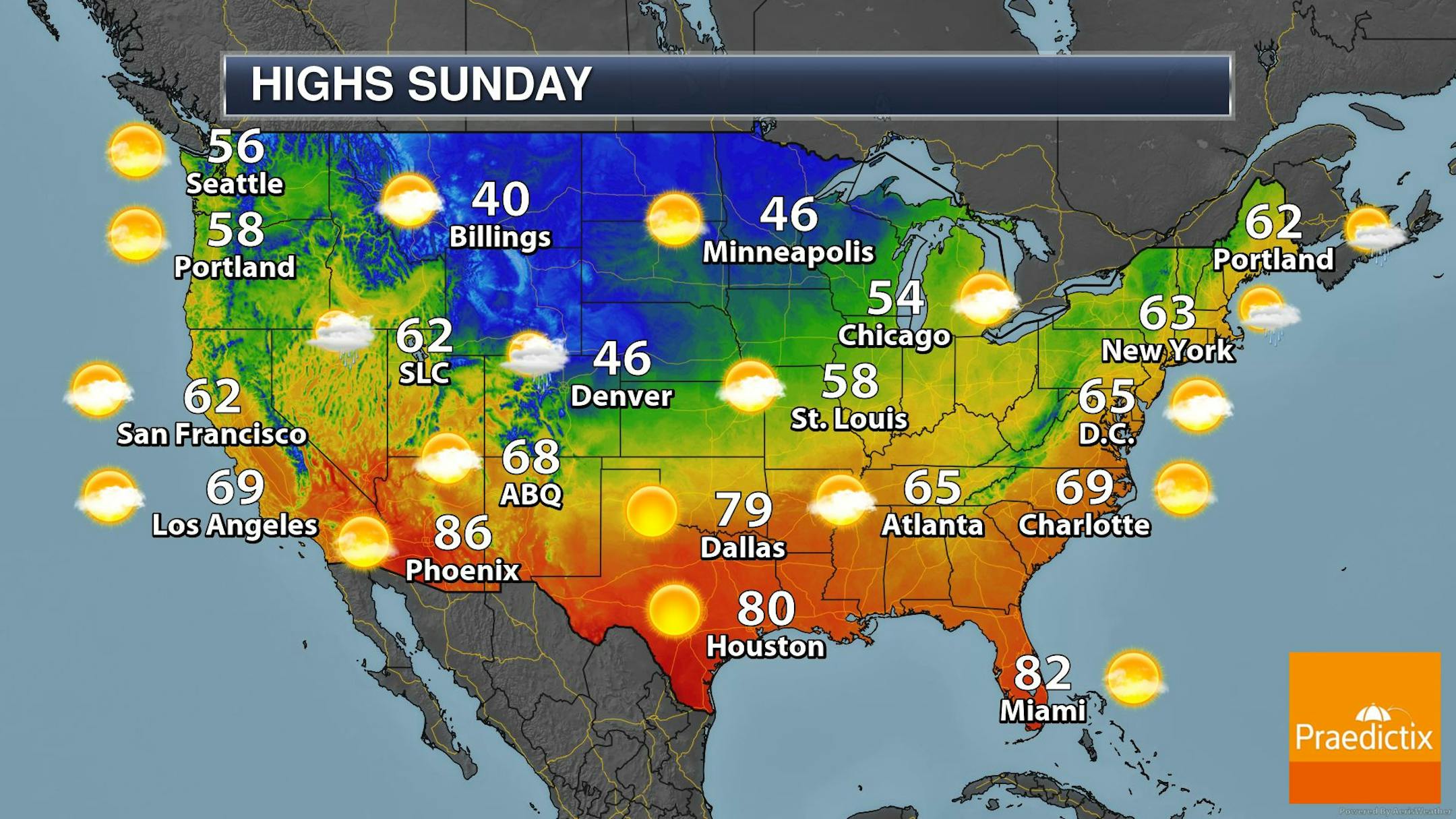
National High Temps Sunday

The weather outlook on Saturday shows quiet weather returning across much of the central US. Cloud skies and areas of heavier rain will be possible in the Northeast. Meanwhile, a cool front will work out of the Northwest with areas of rain & snow possible across the Front Range of the Rockies heading into the late weekend and early next week timeframe.

National Weather Outlook For Sunday (Praedictix/The Minnesota Star Tribune)
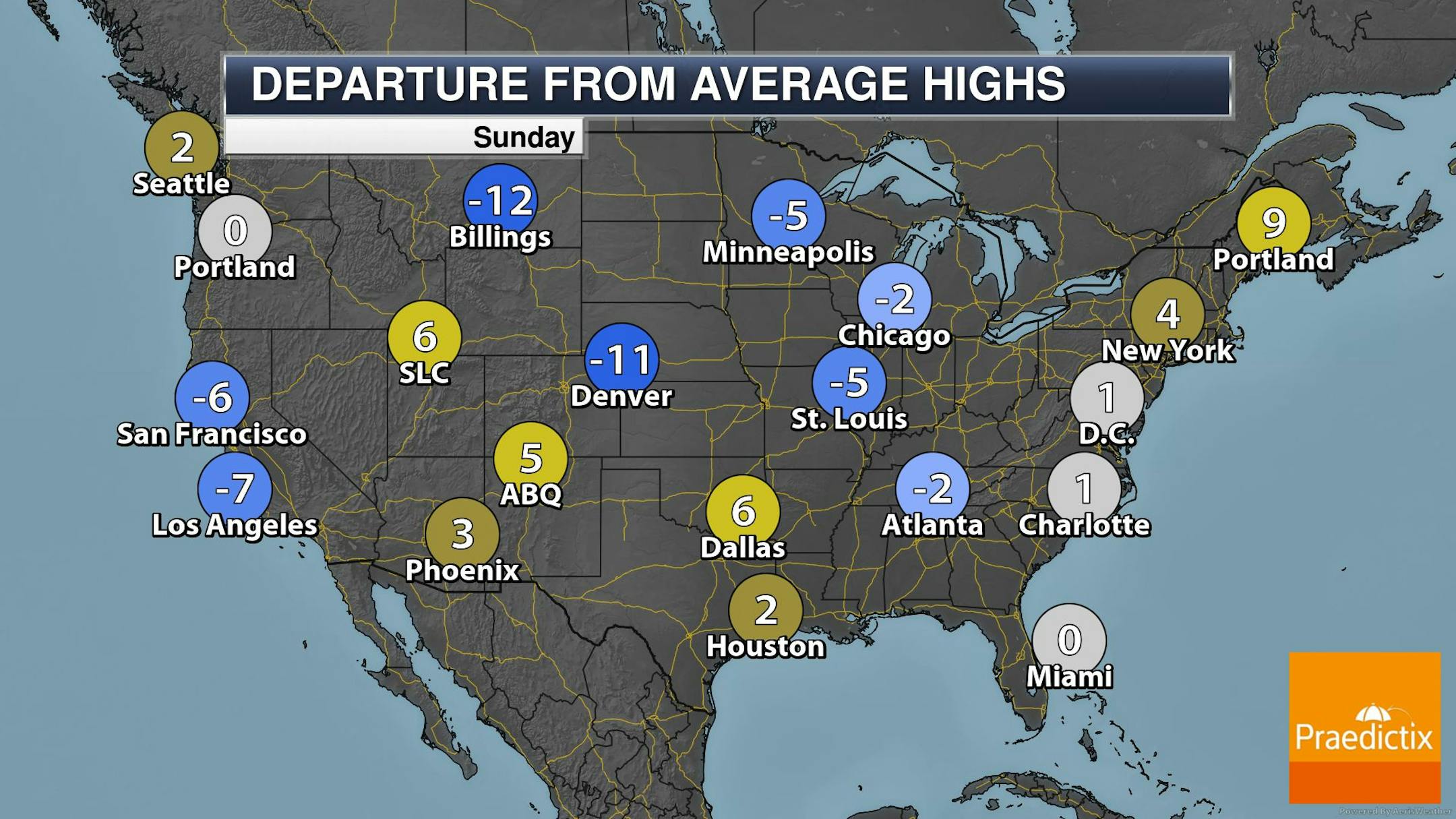
Highs From Average on Sunday (Praedictix/The Minnesota Star Tribune)

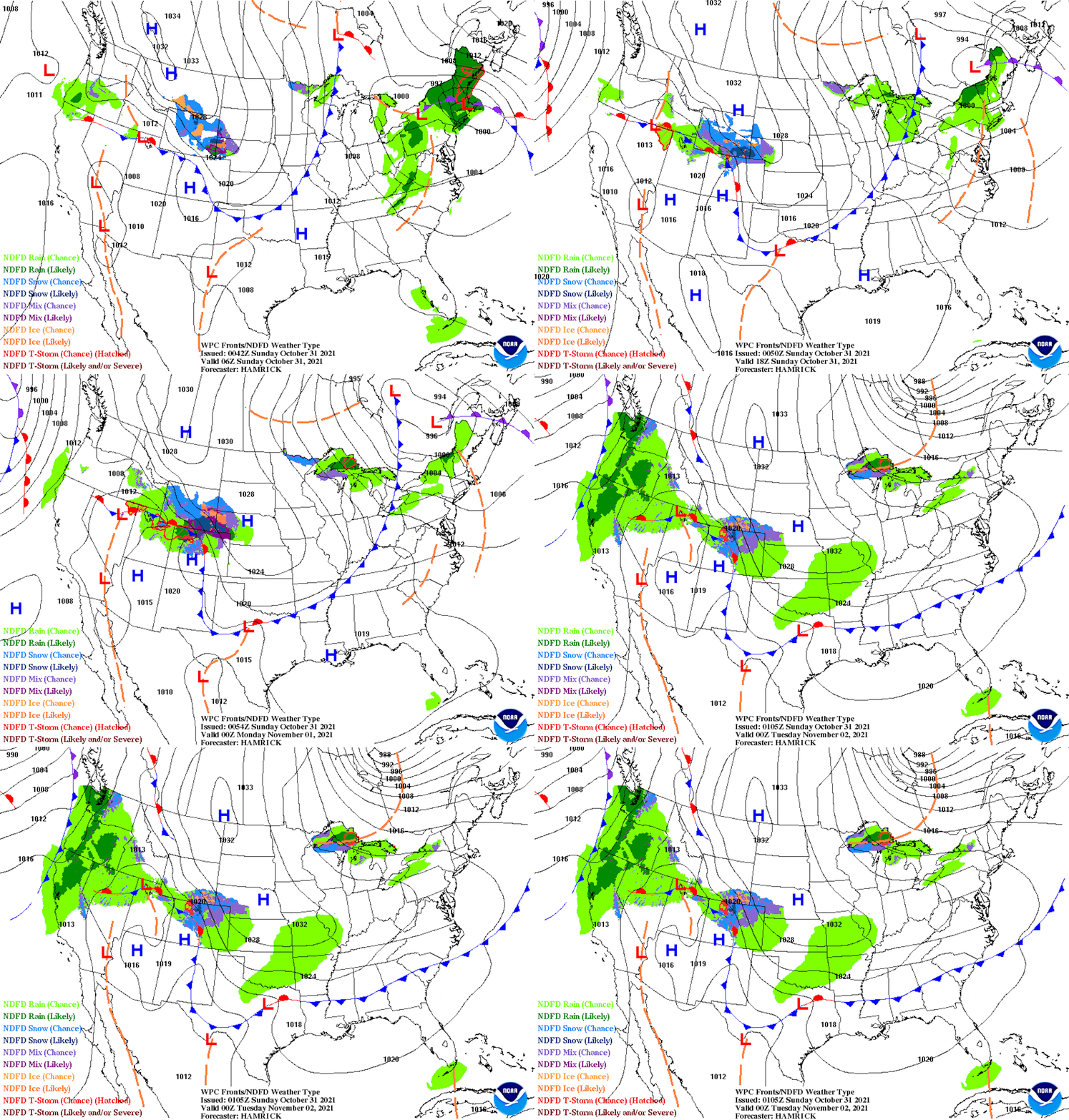
National Weather Outlook

The weather outlook through the weekend shows lingering rain across the Northeast, which could keep flood threats in place through Saturday. Meanwhile, a cold front will push through the Central US with much cooler air in the wake of the front. Temps will be cold enough for areas of snow across the Front Range of the Rockies.

Weather Outlook Through Sunday (NOAA WPC/The Minnesota Star Tribune)

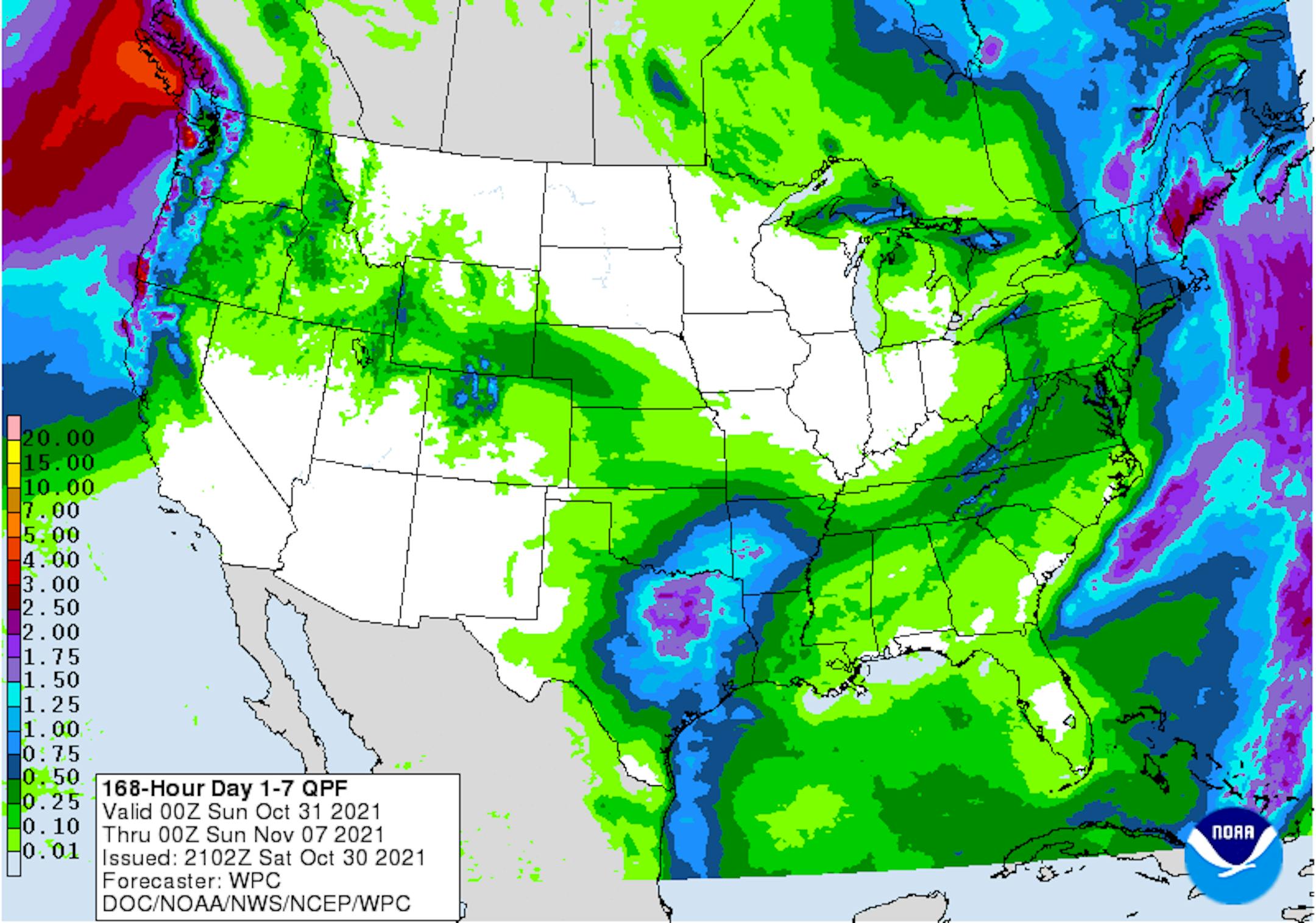
Extended Precipitation Outlook

According to NOAA's Weather Prediction Center, heavier rains will still be possible in the Northeast and along the West Coast. Another batch of heavier rain will be possible in the Southern US.

Extended Precipitation Outlook (NOAA WPC/The Minnesota Star Tribune)

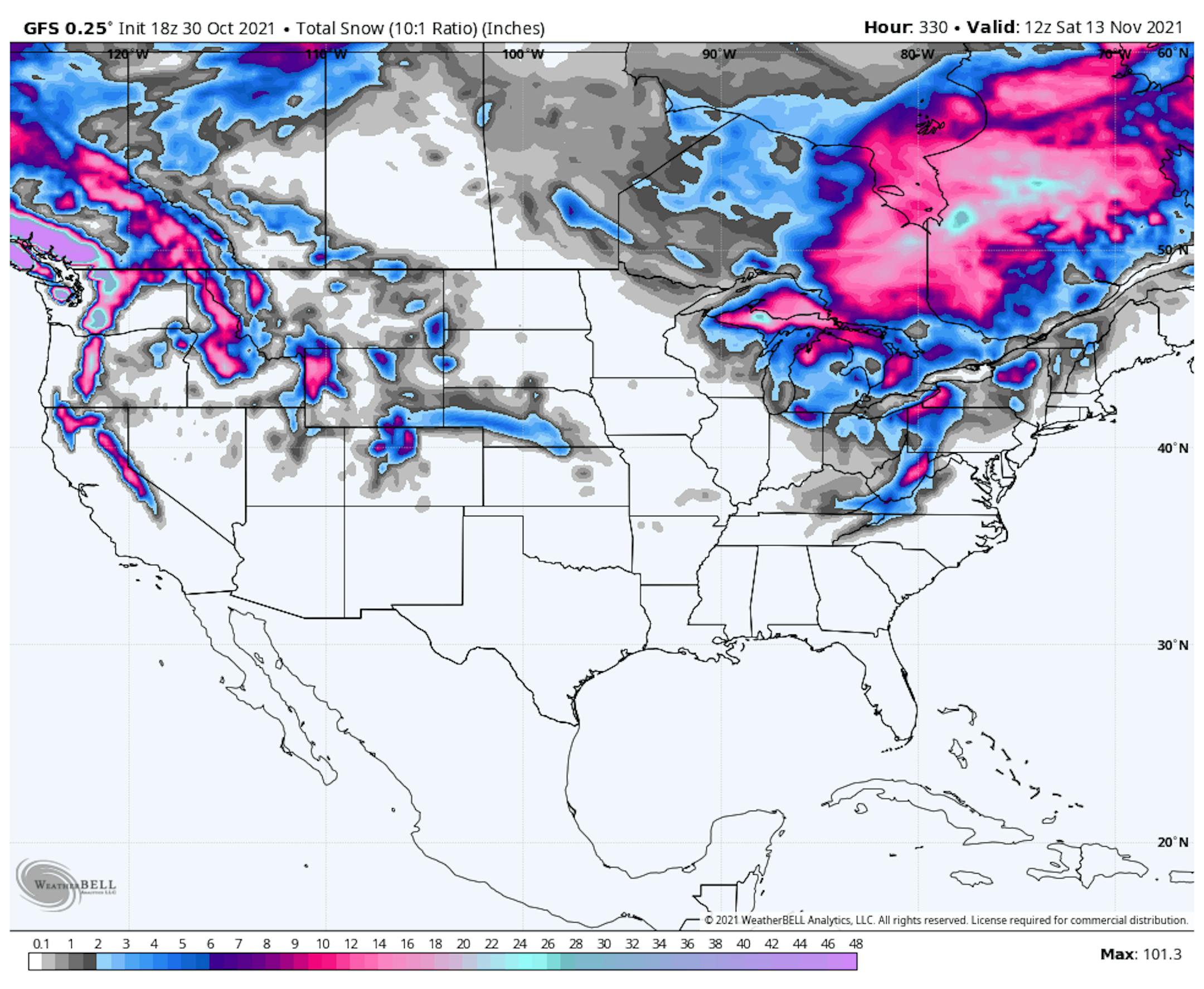
Extended Snowfall Potential

Here's the extended snowfall potential through the week ahead. It doesn't look like much, but there could be areas of heavier snow across the higher elevations in the Western US.

GFS Snowfall Forecast Through The Week Ahead (WeatherBell/The Minnesota Star Tribune)

Climate Stories

(NOAA/The Minnesota Star Tribune)

"Climate Change Fallout: Beer and Wine to Get More Expensive"

"The economic costs associated with climate change have been shown to be devastating. Large-scale climate change disasters grab the most headlines, but climate change is now becoming more responsible for the fast-rising prices of beer, wine, and other alcohol products. "All of these products depend on somebody making a bet on a crop," Dr. Andrew Pershing, a climate scientist with the nonprofit news organization Climate Central, told the Austin, Texas, news outlet KXAN. "That bet is getting harder to make as climate change is scrambling the odds." The news station added that "shifting rainfall patterns and hotter temperatures are changing growing zones for certain crops. Added variability in our climate is leading to longer periods without rainfall, intensifying droughts, and also more intense rainfall when it does come, which worsens floods."

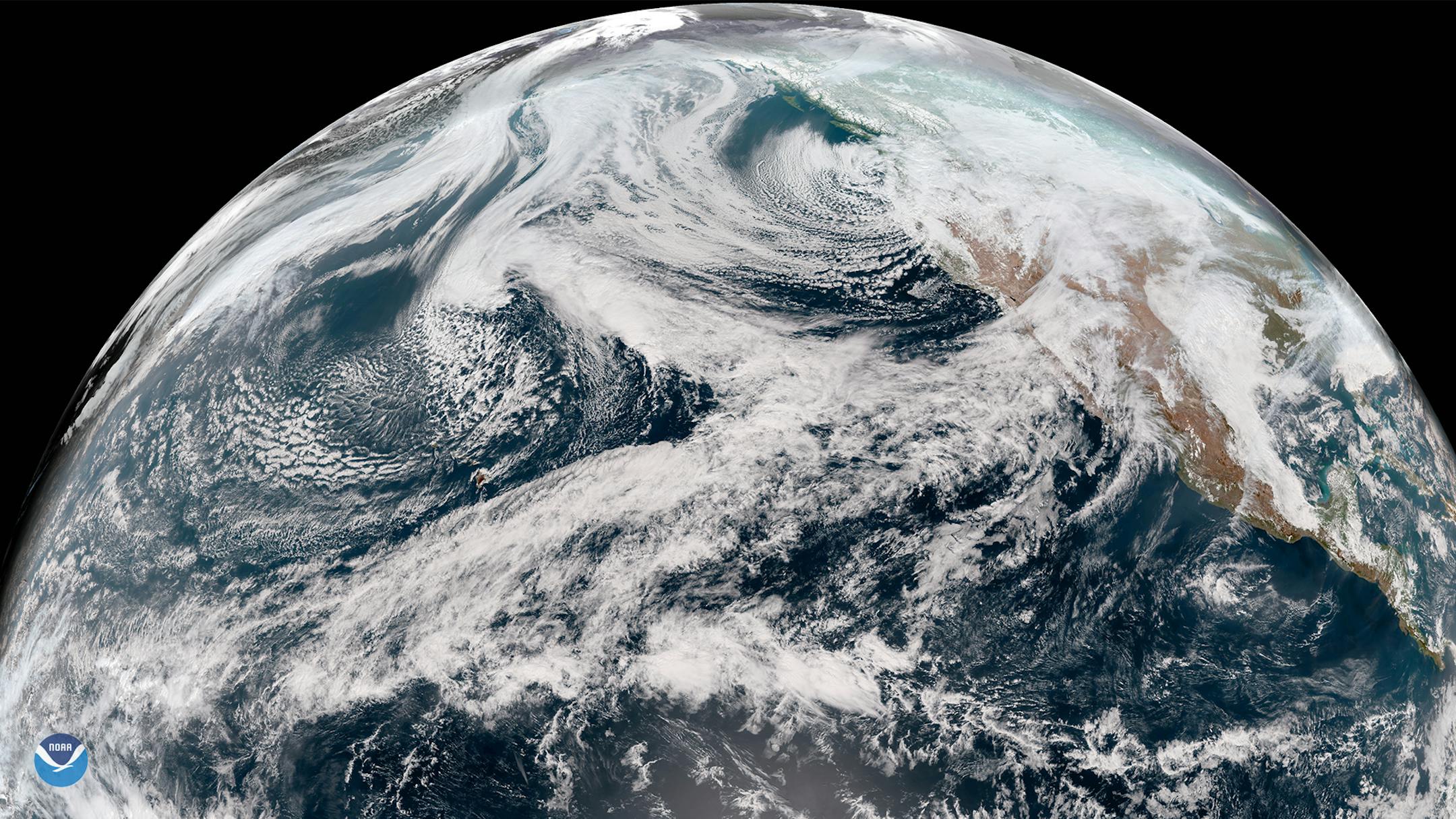
"HIDDEN ATMOSPHERIC RIVERS IN THE SKY ARE FUELED BY CLIMATE CHANGE"

ASK PEOPLE to name the world's largest river, and most will probably guess that it's the Amazon, the Nile, or the Mississippi. In fact, some of Earth's largest rivers are in the sky — and they can produce powerful storms, like the ones that drenched northern California. Atmospheric rivers are long, narrow bands of moisture in the atmosphere that extend from the tropics to higher latitudes. These rivers in the sky can transport 15 times the volume of the Mississippi River. In the past 20 years, as observation networks have improved, scientists have learned more about these important weather phenomena. Atmospheric rivers occur globally, affecting the west coasts of the world's major landmasses, including Portugal, Western Europe, Chile, and South Africa. So-called "Pineapple Express" storms that carry moisture from Hawaii to the U.S. West Coast are just one of their many flavors.

"Sun-Powered Prototypes That Harvest Water From The Air Could Help Billions of People"

"Even when there's not a cloud in the sky, there's always water circulating in the atmosphere. Compared to all the H20 on Earth, there isn't much up there – only about 0.001 percent – but in areas of high humidity, even that small amount of moisture could be enough to provide safe drinking water for a billion people. The hydration is there for the taking. All we need to do is figure out how to get it. If we can create a cost-effective, off-grid device that uses solar power to harvest liquid from the heavens, a new paper estimates we could produce 5 liters (1.3 US gallons) of water per day in regions lacking clean water sources. Alas, it won't work everywhere. There seem to be diminishing returns to atmospheric water harvesting devices in places that are too dry, specifically those regions that are below 30 percent relative humidity. In the tropics, however, such hypothetical devices could hydrate millions. Two-thirds of people without safely managed drinking water currently live in tropical areas, especially in Africa, South Asia, and Latin America."

Thanks for checking in and don't forget to follow me on Twitter @TNelsonWX

@TNelsonWX (The Minnesota Star Tribune)
about the writer

about the writer

Todd Nelson

See Moreicon