

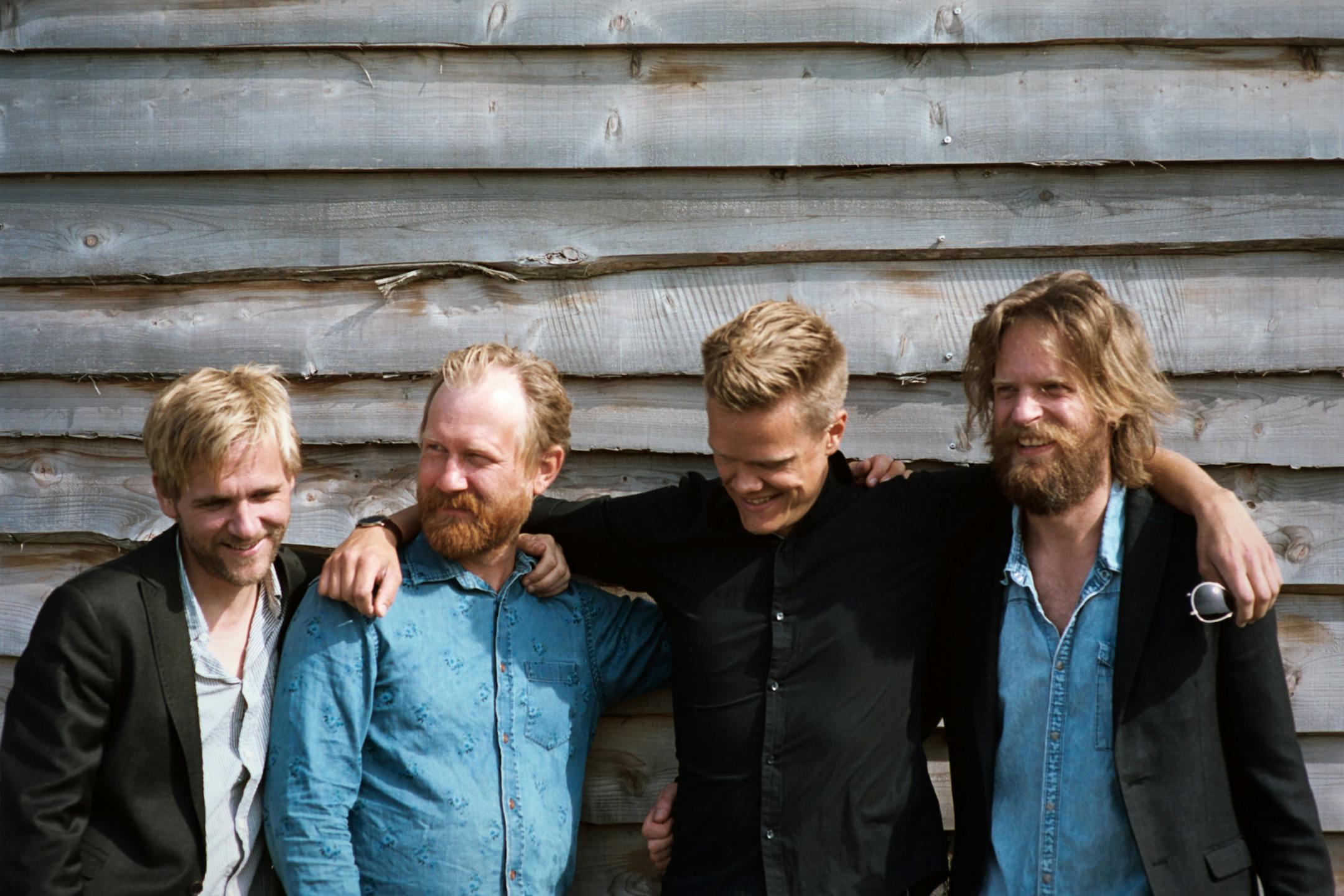
Has this ever happened to you? You agree to do something, then realize you have half the time to complete it that you expected.
Sure it has. But you weren't performing all 16 of Beethoven's string quartets.
Last year, the Danish String Quartet planned to spend a fortnight in St. Paul performing the complete Beethoven quartets as Schubert Club artists-in-residence. When COVID scotched that, they insisted on making good on their promise, but found only a one-week window in their schedule to get it done.
So here they were Friday night, performing the first of six concerts they'll present during a week in St. Paul. And the audience surely left St. Paul's United Church of Christ with a strong sense of why this group is the buzz band of the moment among string quartets. It was a performance full of bold choices, impeccable chemistry and plenty of insight into how Beethoven gradually unleashed romanticism upon the world.
And that's how most of the six concerts are constructed: Starting with one of the composer's early quartets, moving to his middle period, then finishing with one from his final years, when he was reinventing the form in ways that puzzled musicians of the time.
The Danish String Quartet did an admirable job with the concert-closing Op. 131, even if it didn't quite explode off the stage like some movements from the works on the concert's first half. On the Op. 18, No. 3, the foursome found the fist-waving railer at the forces of destiny hiding inside Joseph Haydn's jovial template.
The chemistry between the four came through clearly — three of the four members have been playing together since childhood — particularly when they tossed themes among themselves like bantering buddies. Yes, there were storms, but playfulness was never far from earshot.
From the composer's middle years came his Seventh Quartet, Op. 59, No. 1, and the Danes (OK, the cellist is Norwegian) gave a sense of Beethoven feeling more confident about eschewing convention and forging his own path. The musicianship was expert as each member seized the spotlight on solos rich in tone and emotion, then embraced opportunities to combine their forces on passionate, spine-tingling unison passages.


