

Dressing was a complicated affair for Victorian ladies, and it was important to top off all the petticoats and bustle with a hat appropriate to the season.
In the late 19th century, before mass production and big-box stores, Dakota County residents bought their hats — and other assorted goods like cloaks and gloves — in small millinery shops. According to Lynn Stegmaier of Northfield, the milliner custom-made each hat, building it from a wire frame, lining the interior by hand, and, for winter styles, trimming it with feathers and velvet ribbons.
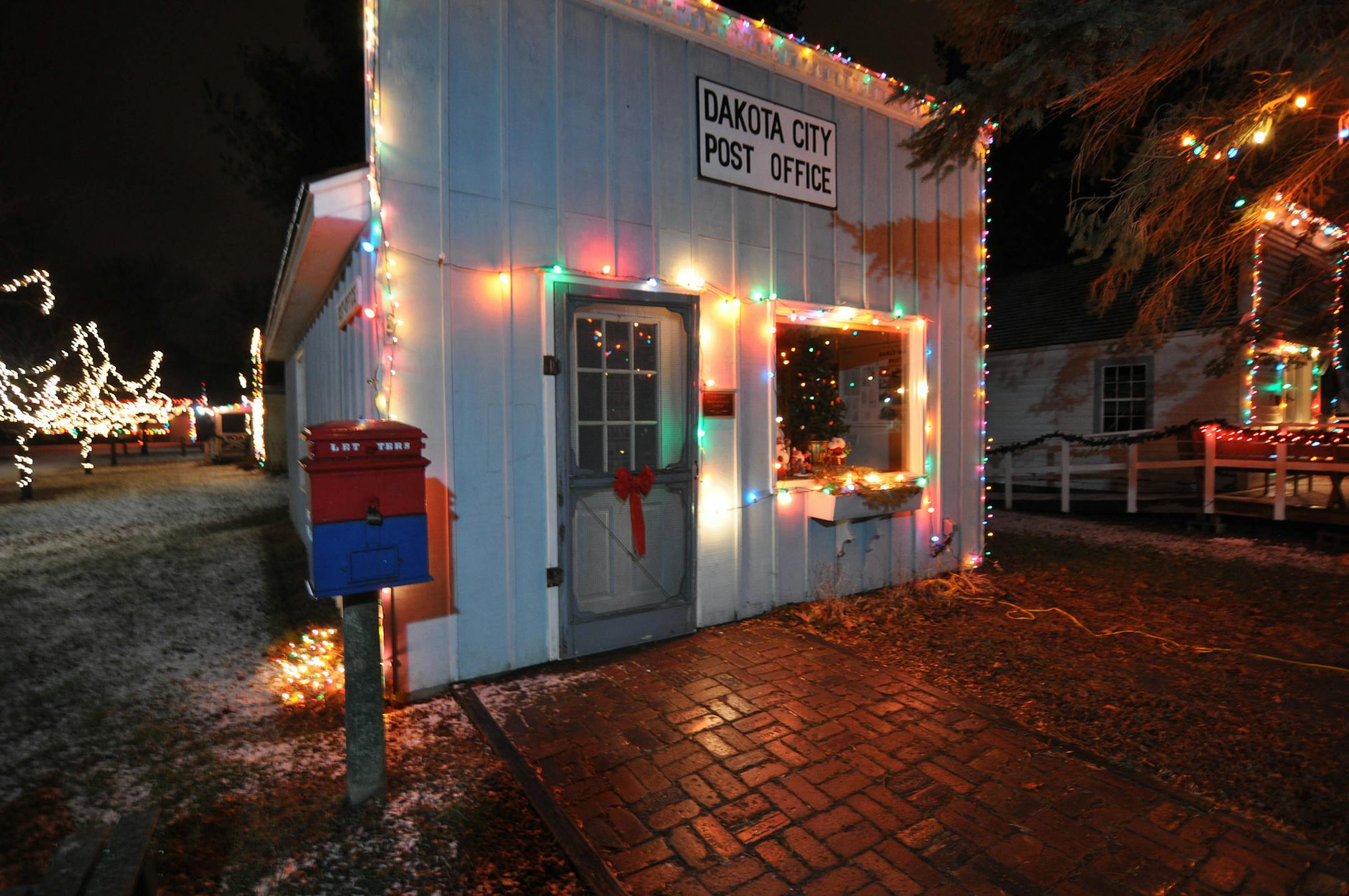
During the first two weekends in December, Stegmaier wears her long skirt and a high-necked blouse to tend to the millinery shop at Dakota City Heritage Village in Farmington, during the Christmas in the Village celebration. She stands among the antique dress forms, hats and fur stoles to answer questions.
"Most people ask what a millinery is," she said. "It's a business they're not familiar with at all."
The little shop, one of the 22 historic buildings dotting the grounds, is much like a millinery in Farmington that drew women from throughout the area, she said. Women came by train from places like Lakeville and Rosemount to buy unique hats, and Stegmaier said the Farmington shop's owner won two national awards while she was in business.
"She was quite famous for her hat designs," she said.
Stegmaier loves discussing the way women's fashion shifted throughout the years. "By 1910," she said, "they wore huge hats, so women almost looked like mushrooms with a long stem.
"Women really made an effort to be well dressed, because it said so much about them. Women made such an effort to keep up with the times. These days, if it's not comfortable, forget it."


